

Collection: Gloss
Gloss wall tiles are one of the easiest ways to bring a little more light and life to a room, but their appeal goes beyond simply being shiny. A glazed surface interacts with the light around it, so colour, texture, tile shape and even the position of a window can influence how the finished wall looks. Choosing the right gloss tile can completely change the atmosphere of a room.

-
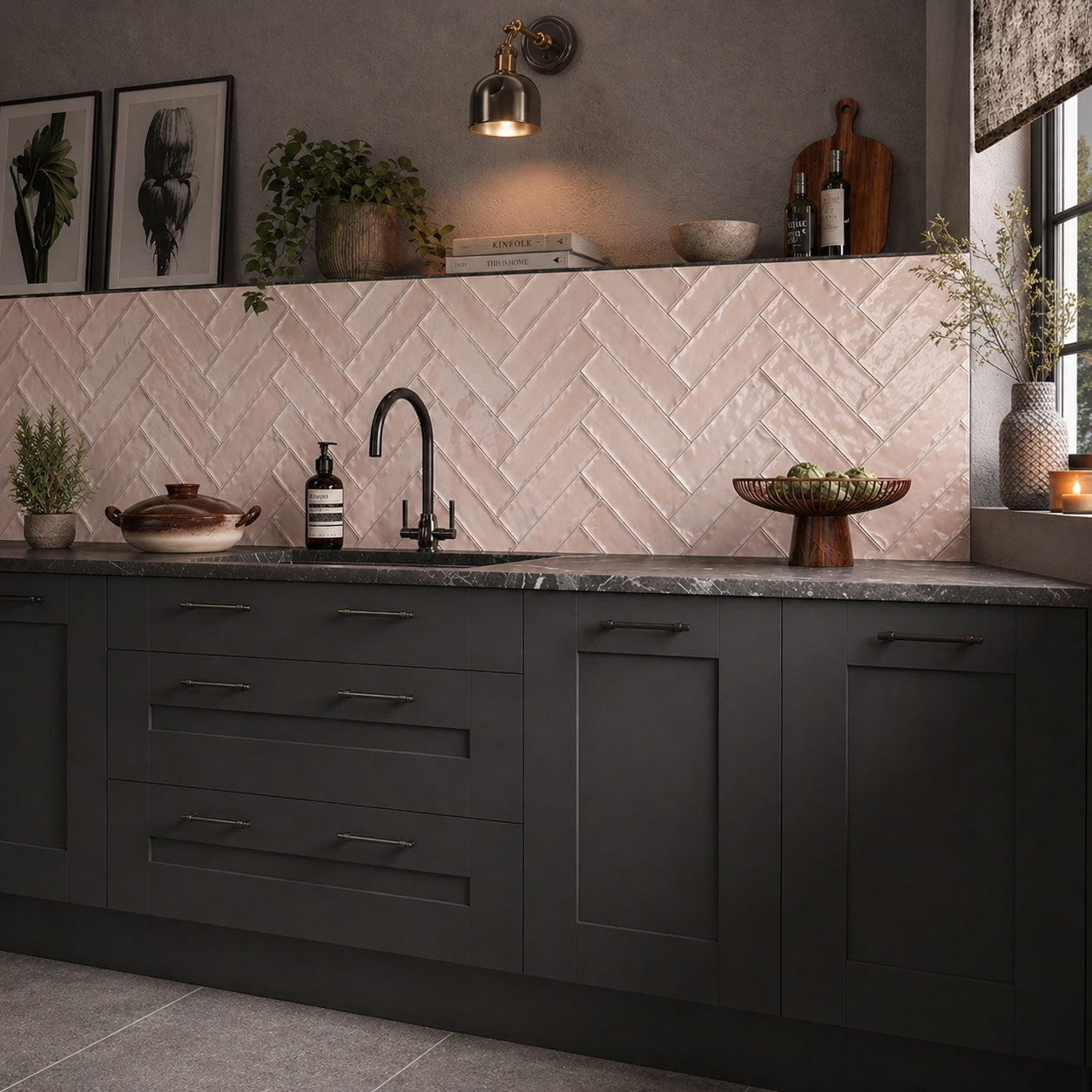
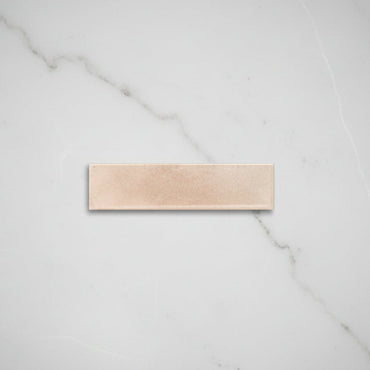
Verona Baby Pink Wall Tiles 7.5x30cm
Soft, warm and understated, Verona Baby Pink introduces colour in a more subtle and considered way. The glossy finish enhances...
£44.99 -
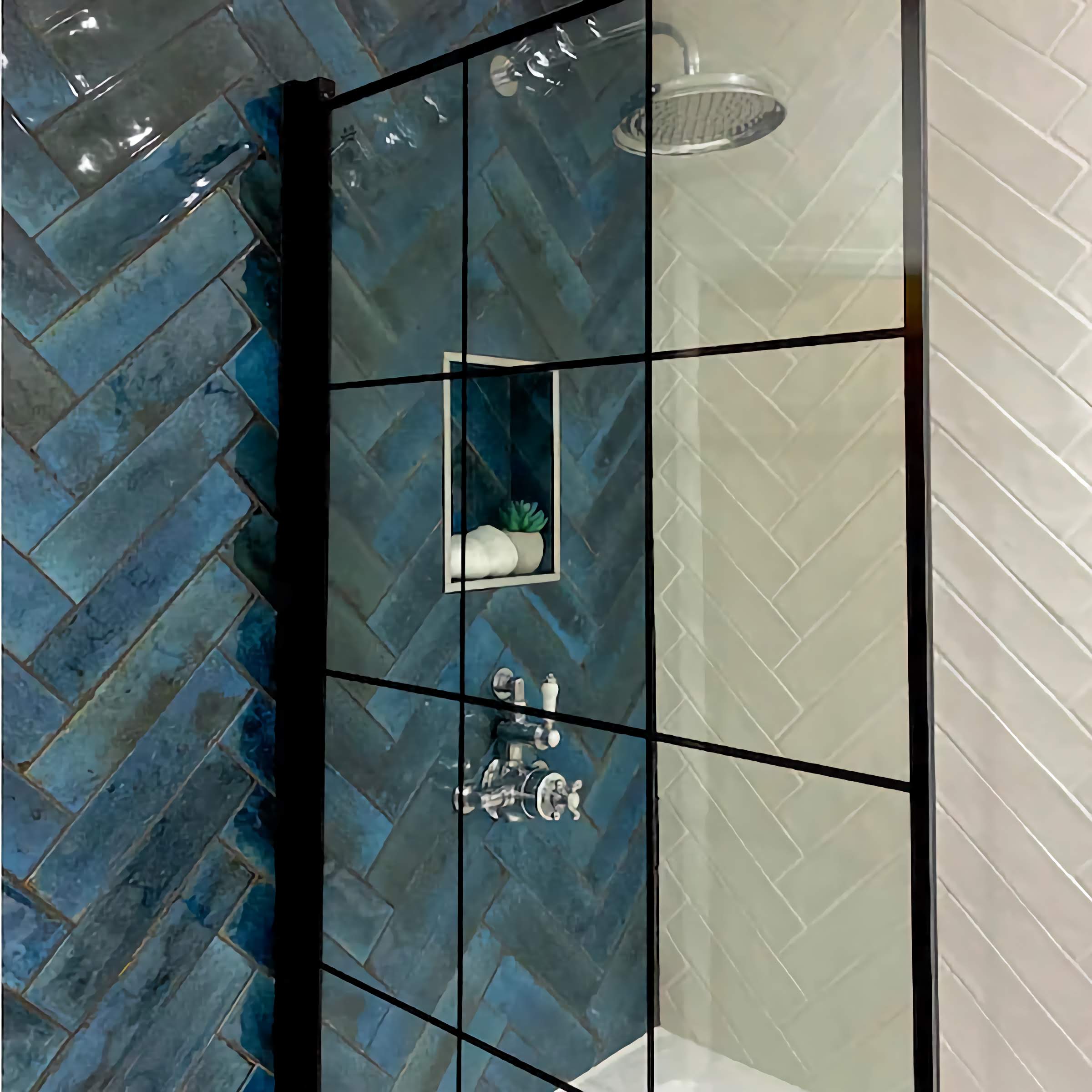
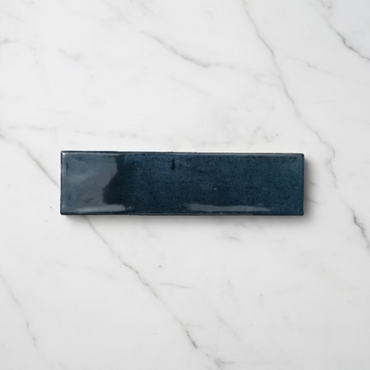
Verona Ink Blue Wall Tiles 7.5x30cm
Inspired by deep inky pigments, Verona Ink Blue offers a sophisticated alternative to traditional navy tiles. The glossy glaze gives...
£44.99 -
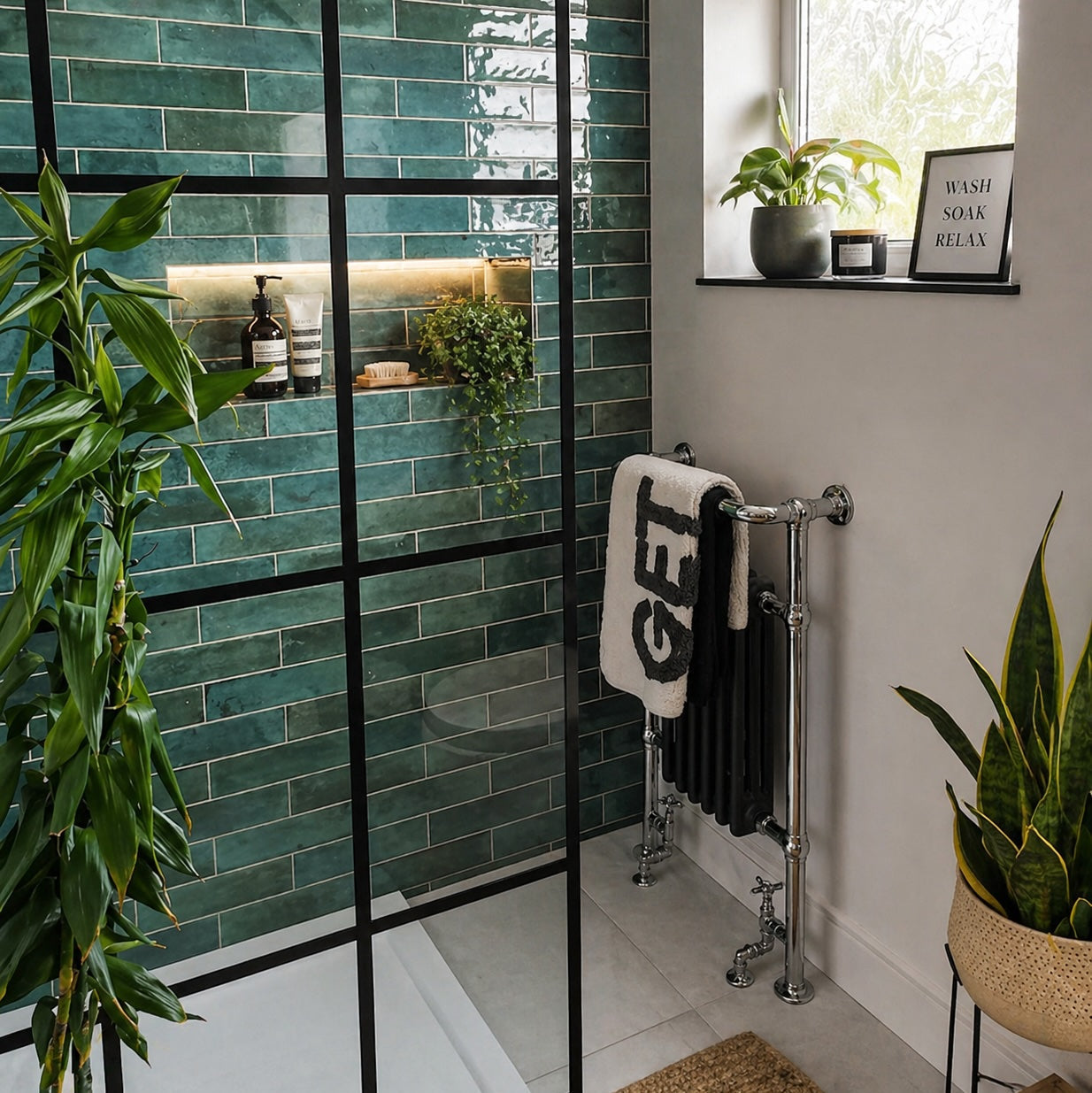
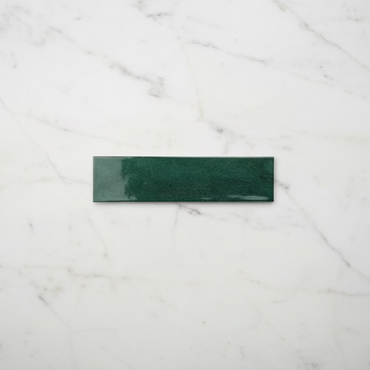
Verona Forest Green Wall Tiles 7.5x30cm
Deep and expressive, Verona Forest Green brings the richness of jewel-toned ceramics into the home. The glossy surface enhances the...
£44.99 -
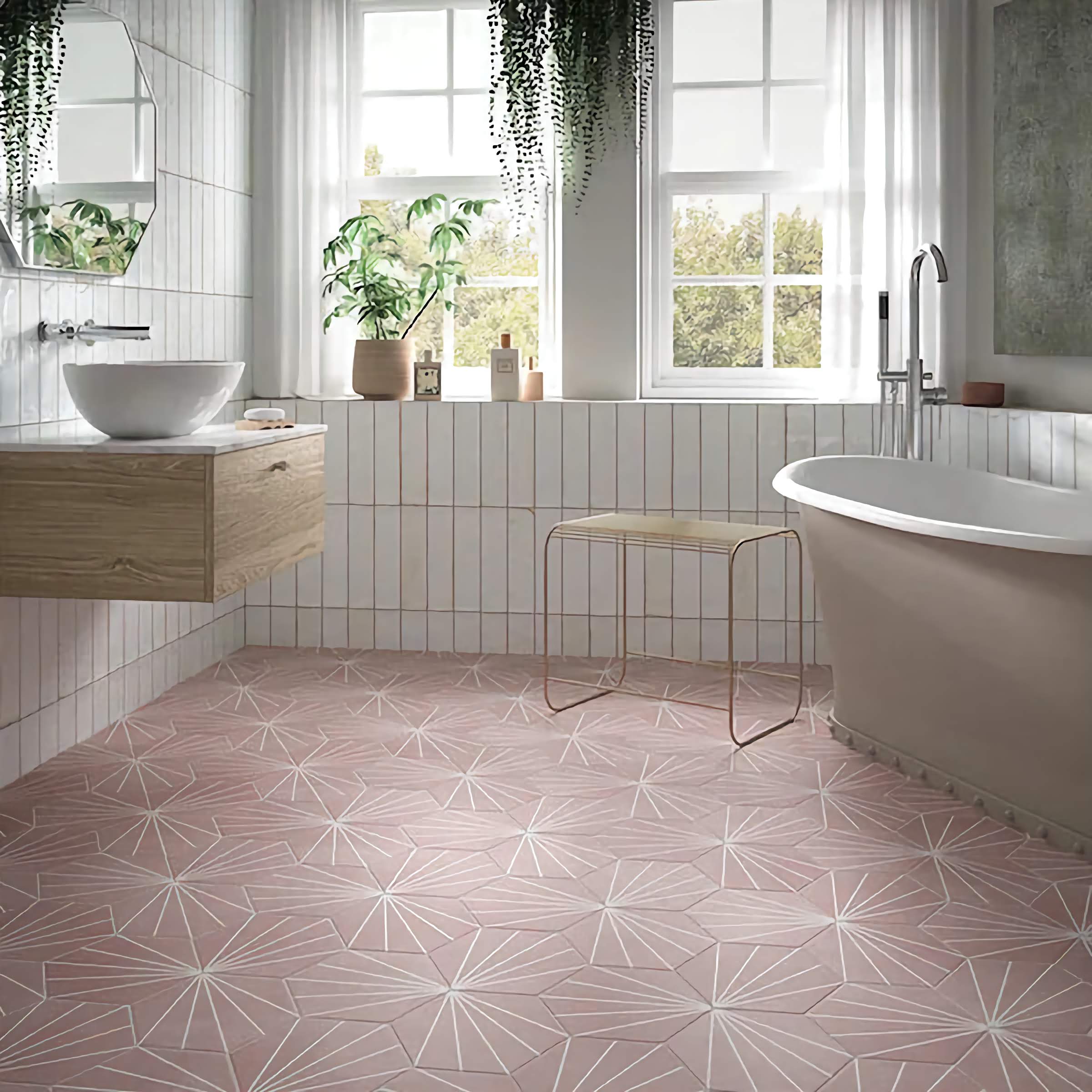
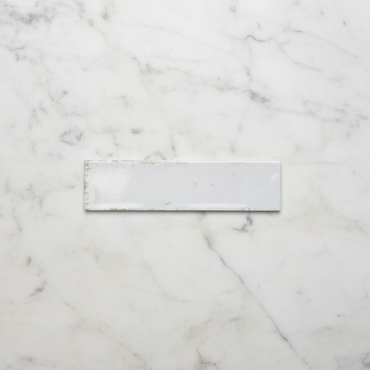
Verona Antique White Wall Tiles 7.5x30cm
Clean, bright and endlessly versatile, Verona White offers a fresh interpretation of the classic gloss brick tile. The reflective glazed...
£44.99 -
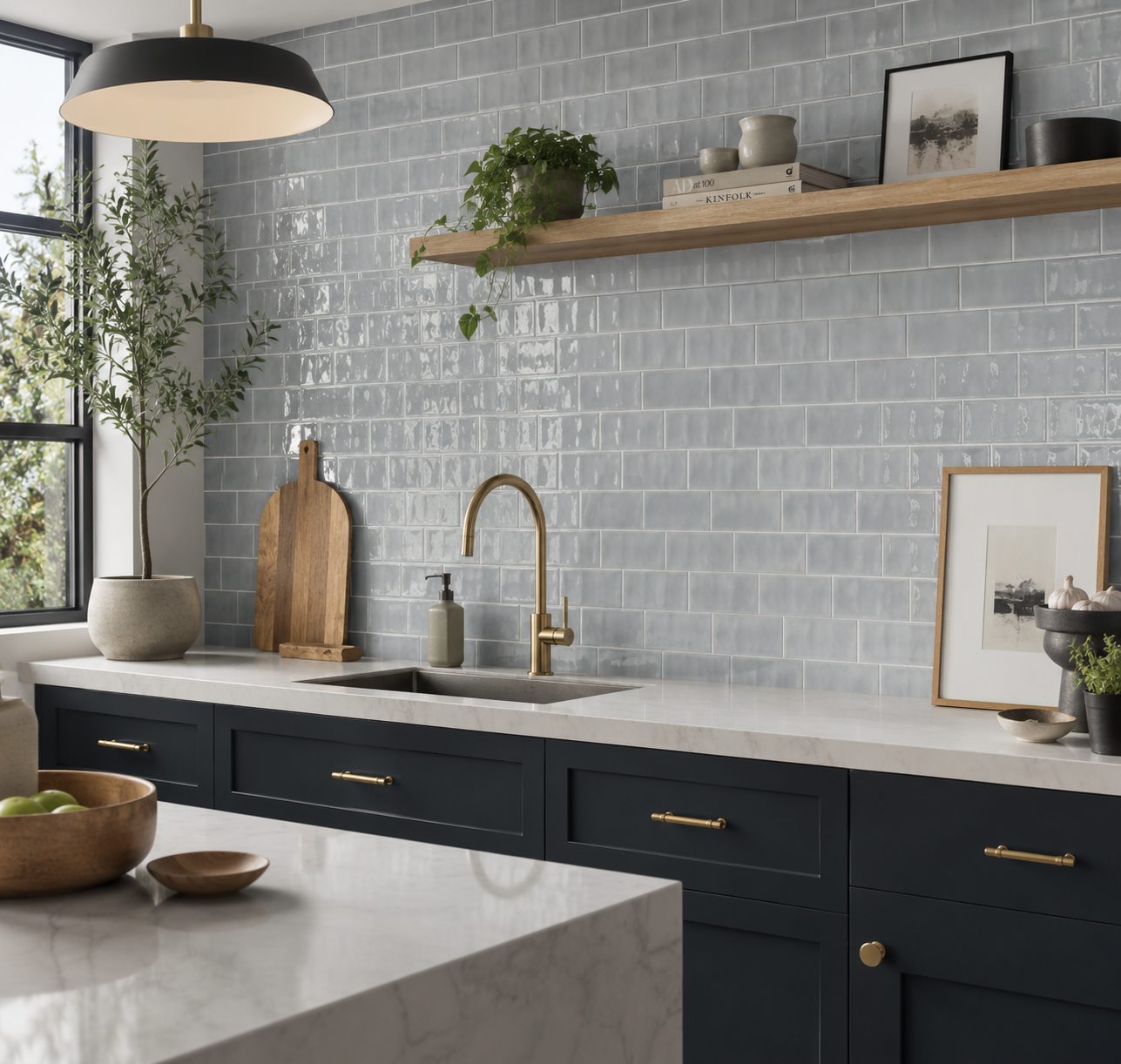
Countrywide Duck Egg Gloss Hand Made Effect Wall Tiles 7.5x15cm
Countrywide Duck Egg Mini Wall Tiles Create a soft backdrop with Countrywide Duck Egg Mini, a charming ceramic wall tile...
£17.99 -
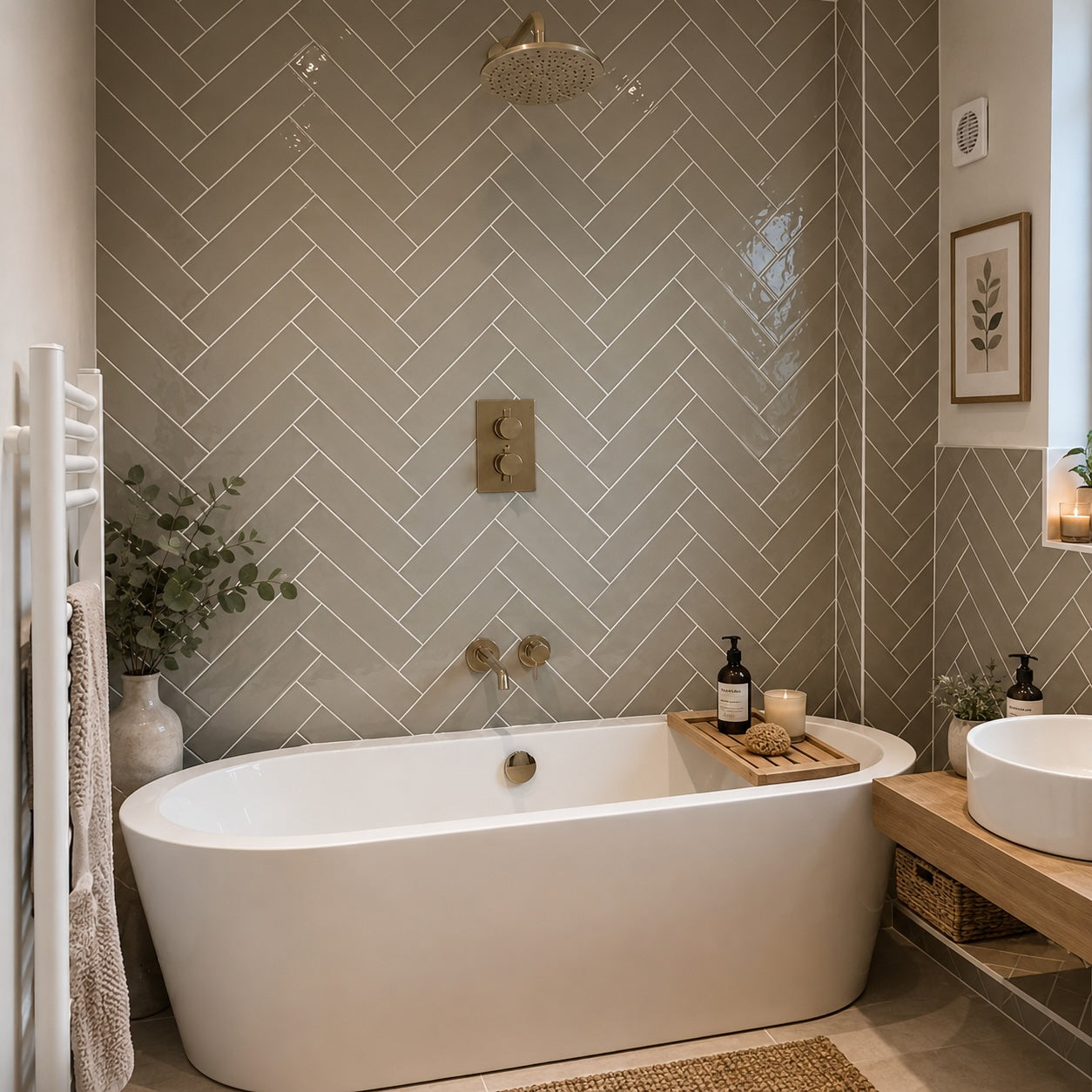
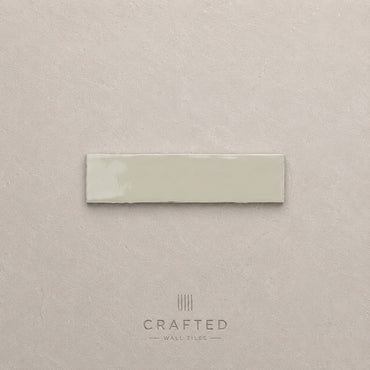
Countrywide Mushroom Handmade Effect Wall Tile 7.5x30cm
Warm taupe tones and softly uneven edges give Countrywide Mushroom a grounded, understated character. The light glaze keeps the surface...
£22.99 -
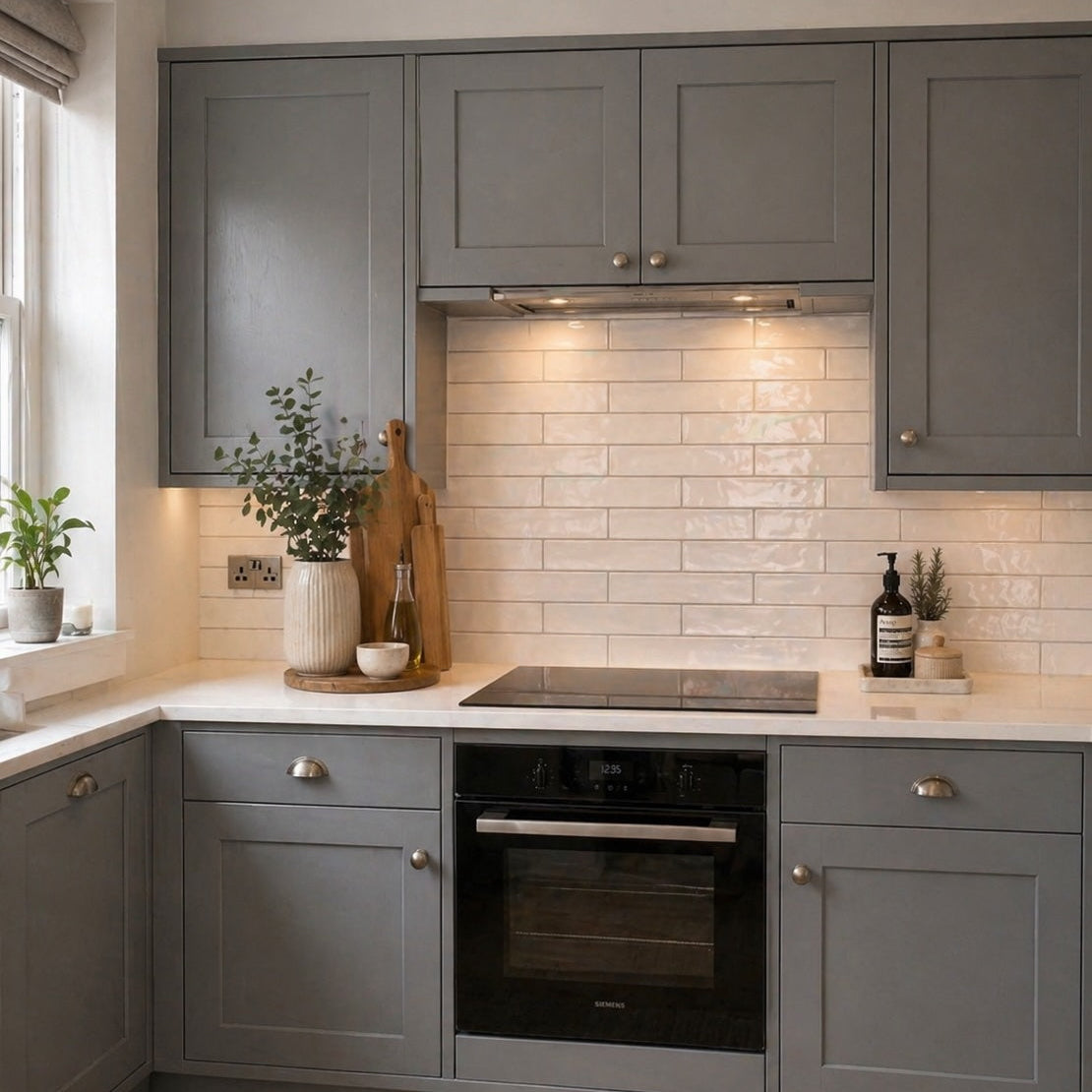
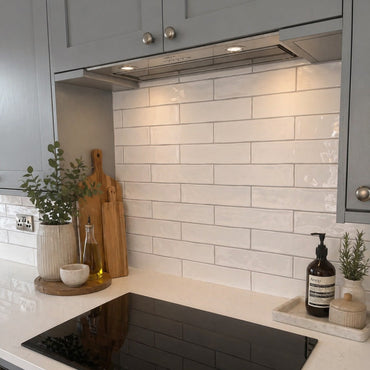
Cotswold White Gloss Handmade Effect Wall Tile 7.5x30cm
There is a timelessness to a white gloss tile that never feels out of place, yet Cotswold Gloss White brings...
£44.99 -
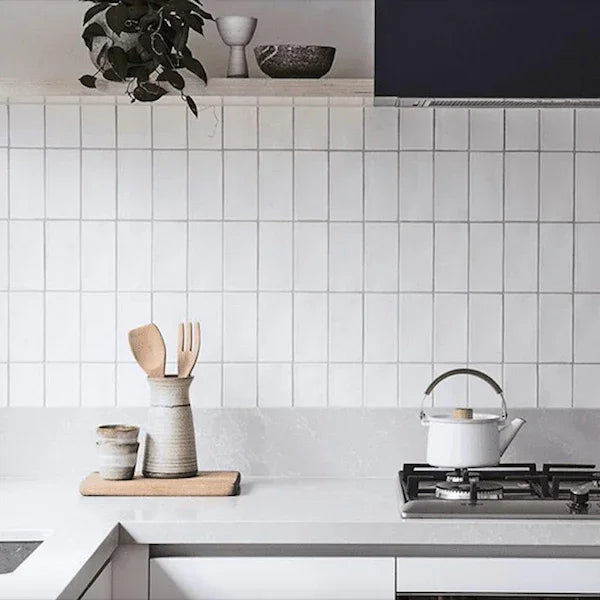
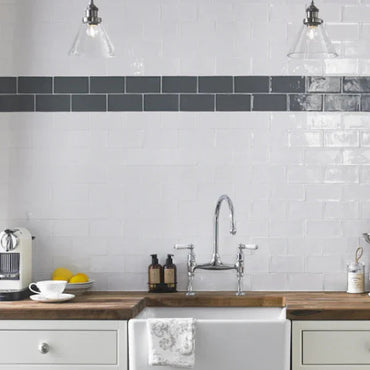
Cotswold Snow White Gloss Hand Made Effect Wall Tiles 7.5x15cm
Cotswold Snow White Gloss Handmade Effect Wall Tiles 7.5x15cm Compact and full of character, the Cotswold Snow White Gloss 7.5x15cm...
£19.99
What does a gloss finish actually do to a room?
Why colour behaves differently in gloss
How to style a glossy wall without overdoing it
Are gloss wall tiles a good choice for kitchens and bathrooms?