

Collection: Rippled
Rippled gloss tiles have a particularly lovely way of bringing a wall to life. The surface isn't completely flat, so light moves across the raised and recessed areas rather than reflecting in one uninterrupted plane. That creates changing highlights, softer shadows and a sense of depth that can make even a simple colour feel much more interesting.

-


Riviera Olive Ripple Gloss Wall Tile 6.5x20cm
Earthy and softened in tone, Riviera Olive draws inspiration from aged olive pigments and sun-washed Mediterranean interiors. The rippled gloss...
£31.99 -
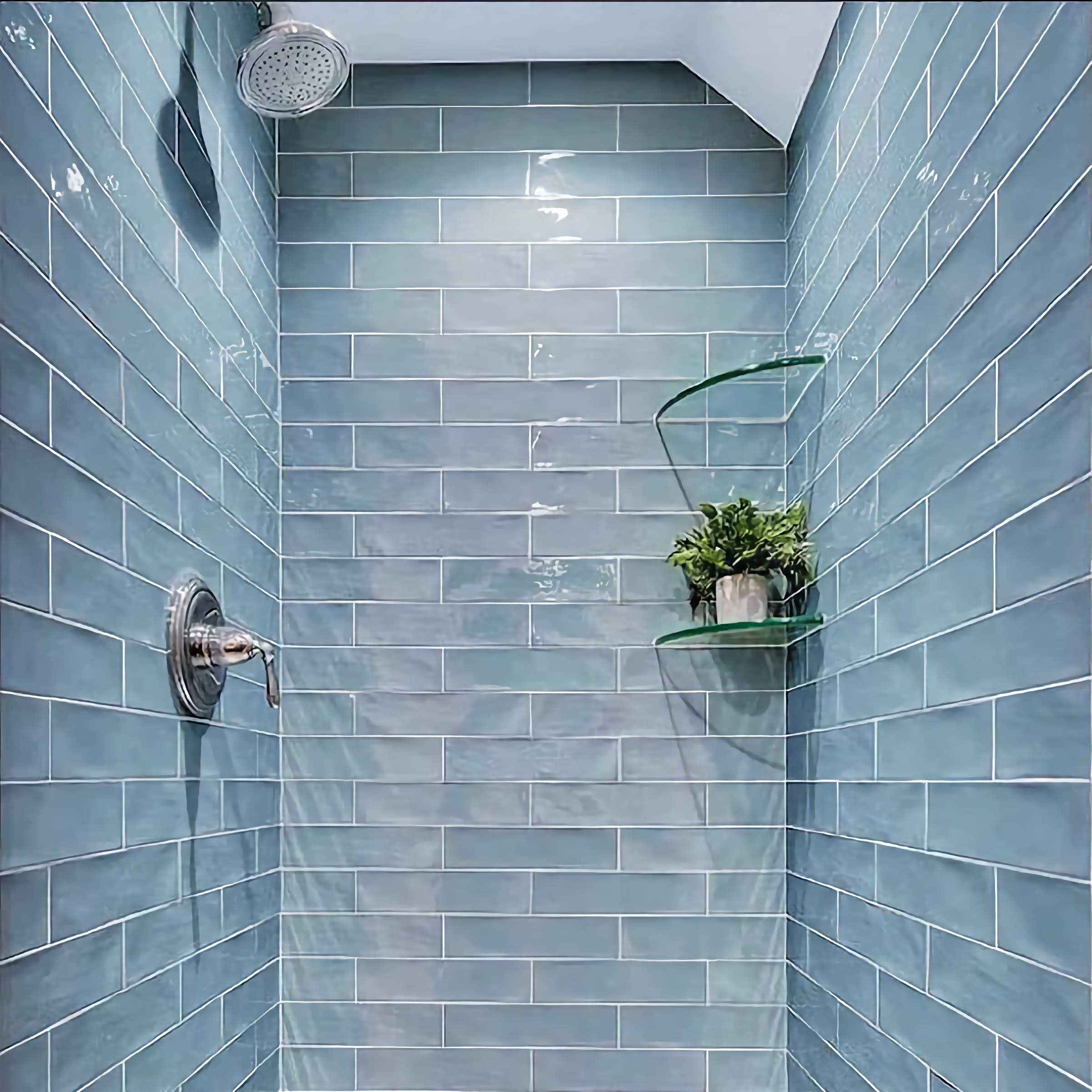
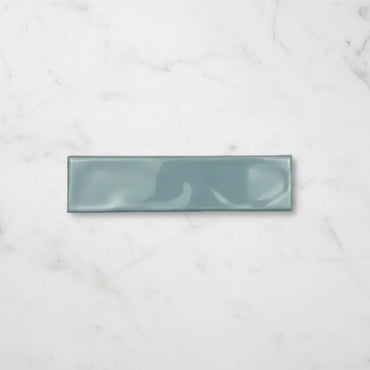
Handmade Aqua Ripple Gloss Wall Tile 7.5x30cm
A softened aqua wall tile with a gently rippled gloss surface that creates movement and variation across the wall. The...
£19.99 -
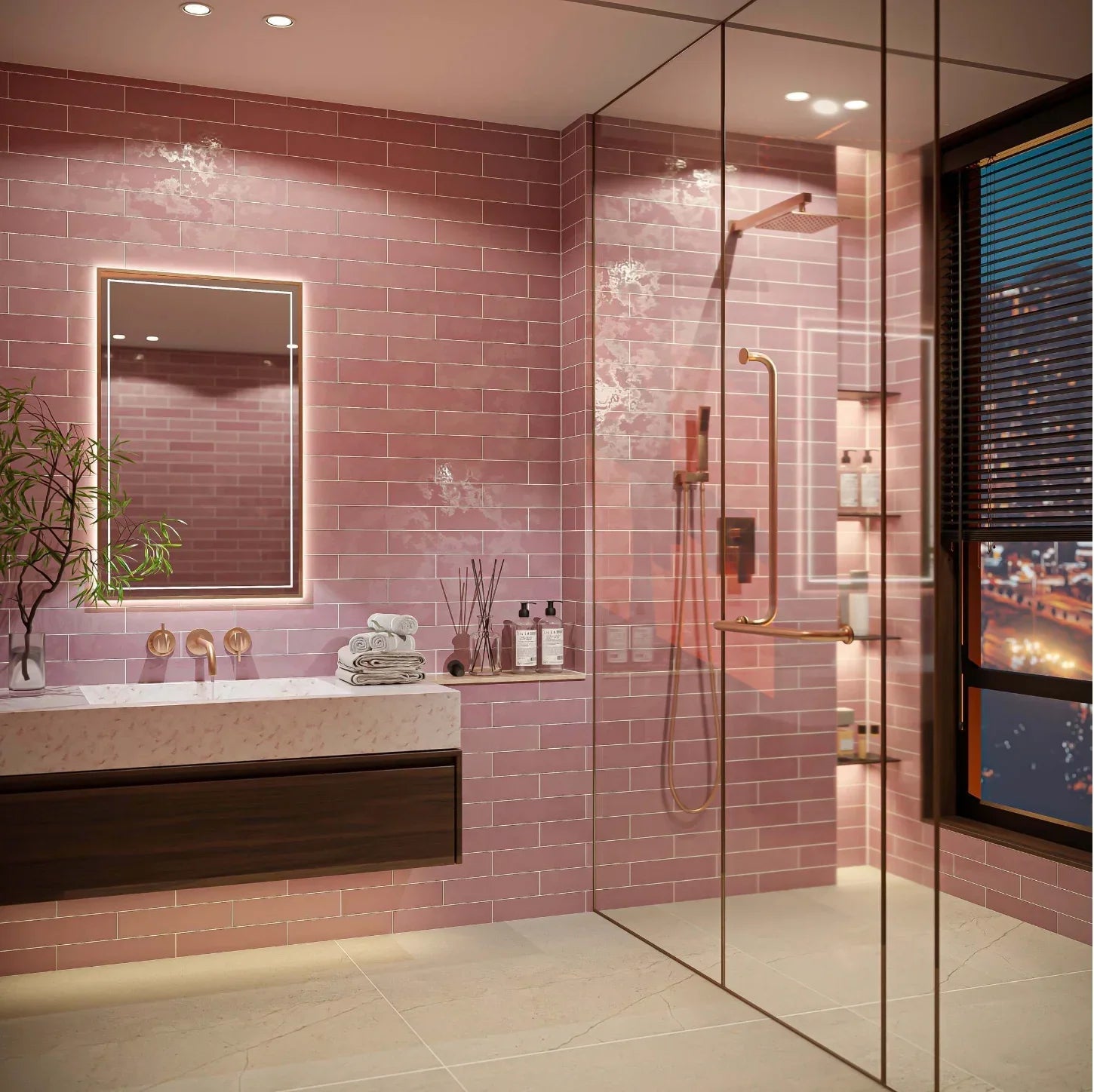
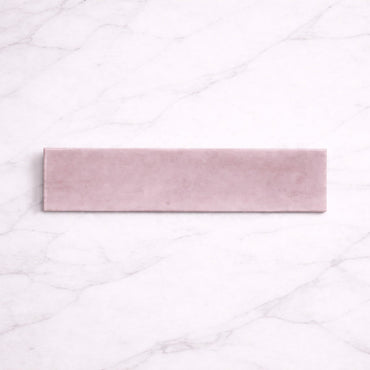
Opal Pink Gloss Wall Tiles 7.5x30cm
A softened pink wall tile with a rich gloss finish and gentle handcrafted character. The reflective glaze gives the colour...
£19.99 -
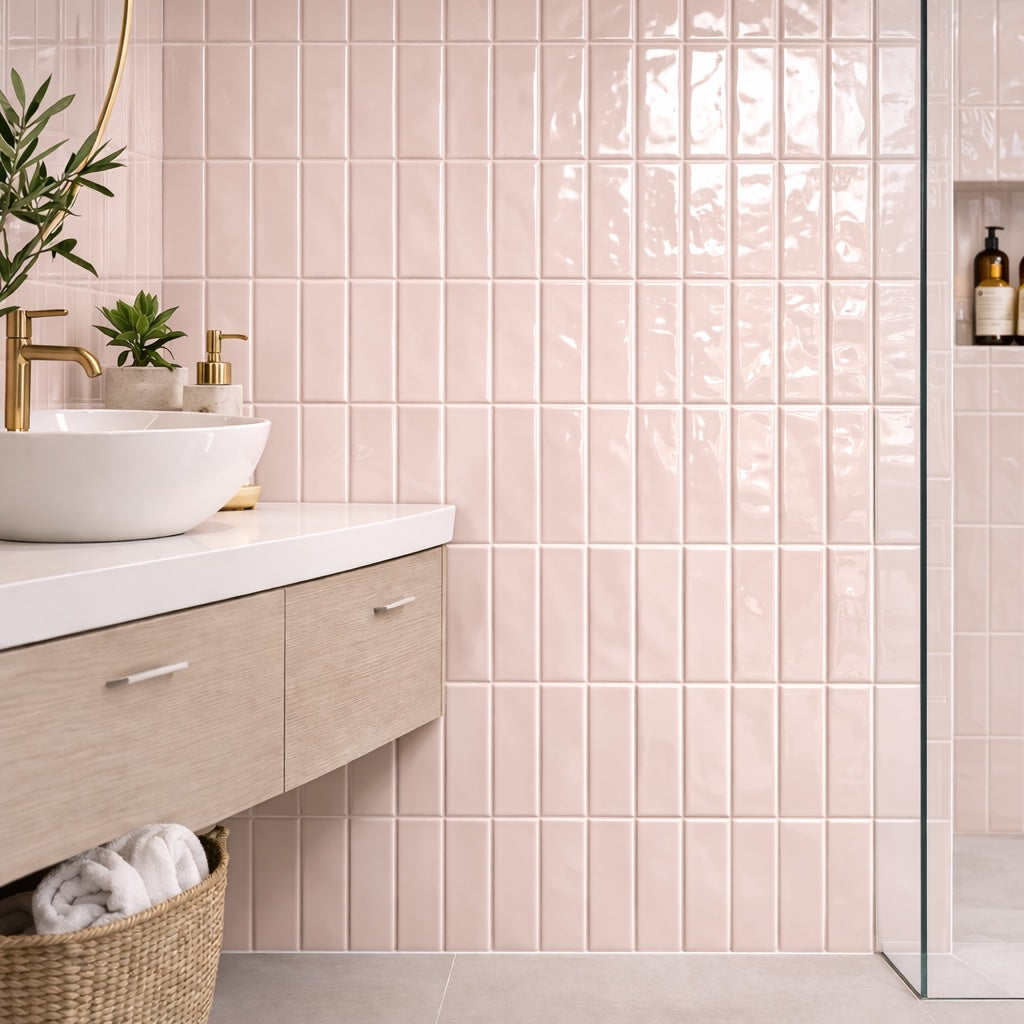
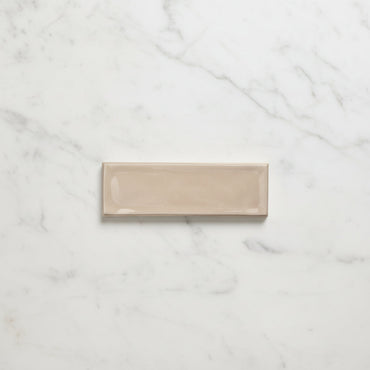
Riviera Soft Pink Ripple Gloss Wall Tile 6.5x20cm
A muted blush-toned ceramic wall tile with a softly rippled gloss finish. Riviera Soft Pink introduces warmth subtly through colour...
£31.99 -
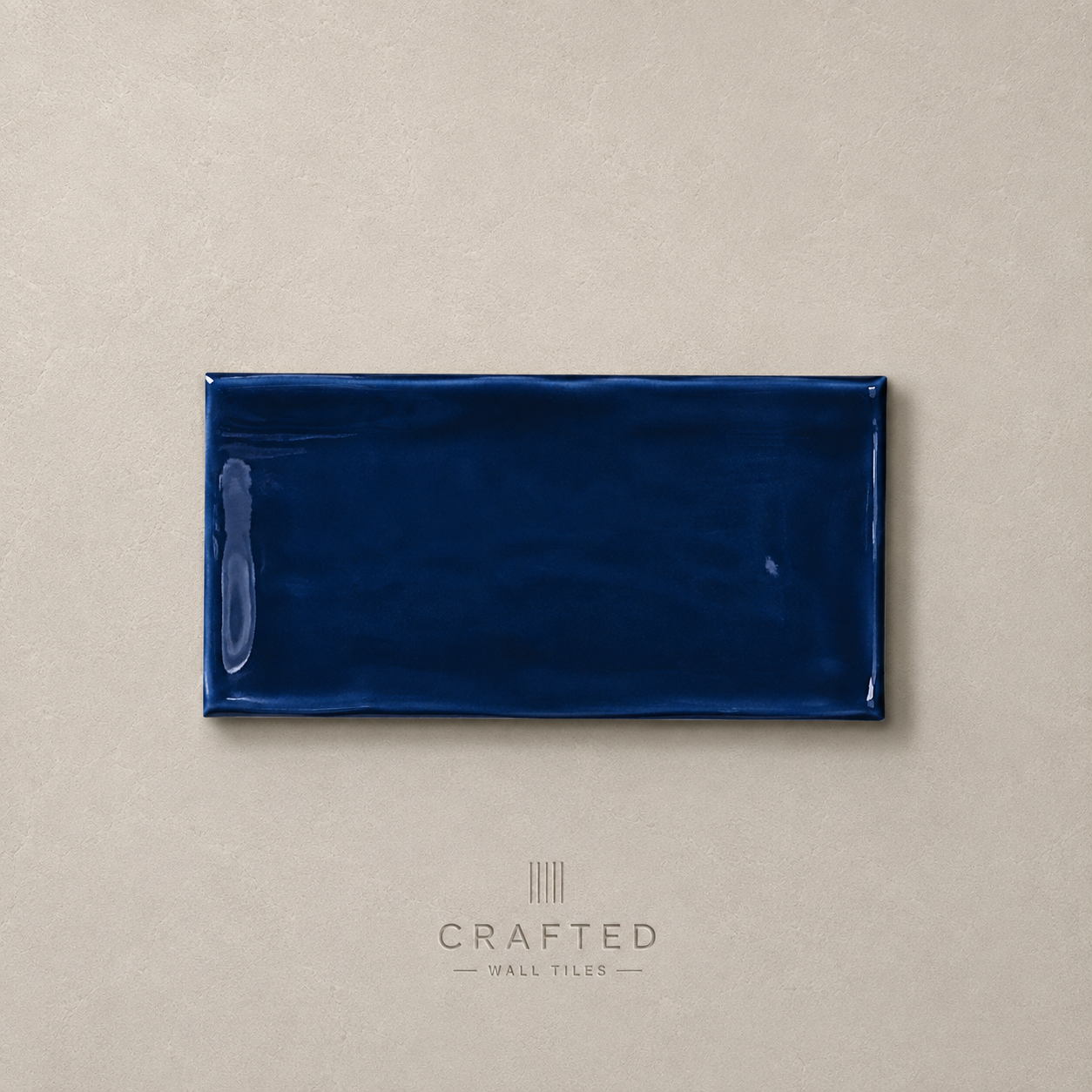
Victorian Blue Wall Tile 7.5x15cm
Victorian Blue strikes a balance between classic and contemporary, offering a rich colour that feels both familiar and fresh. The...
£17.99 -
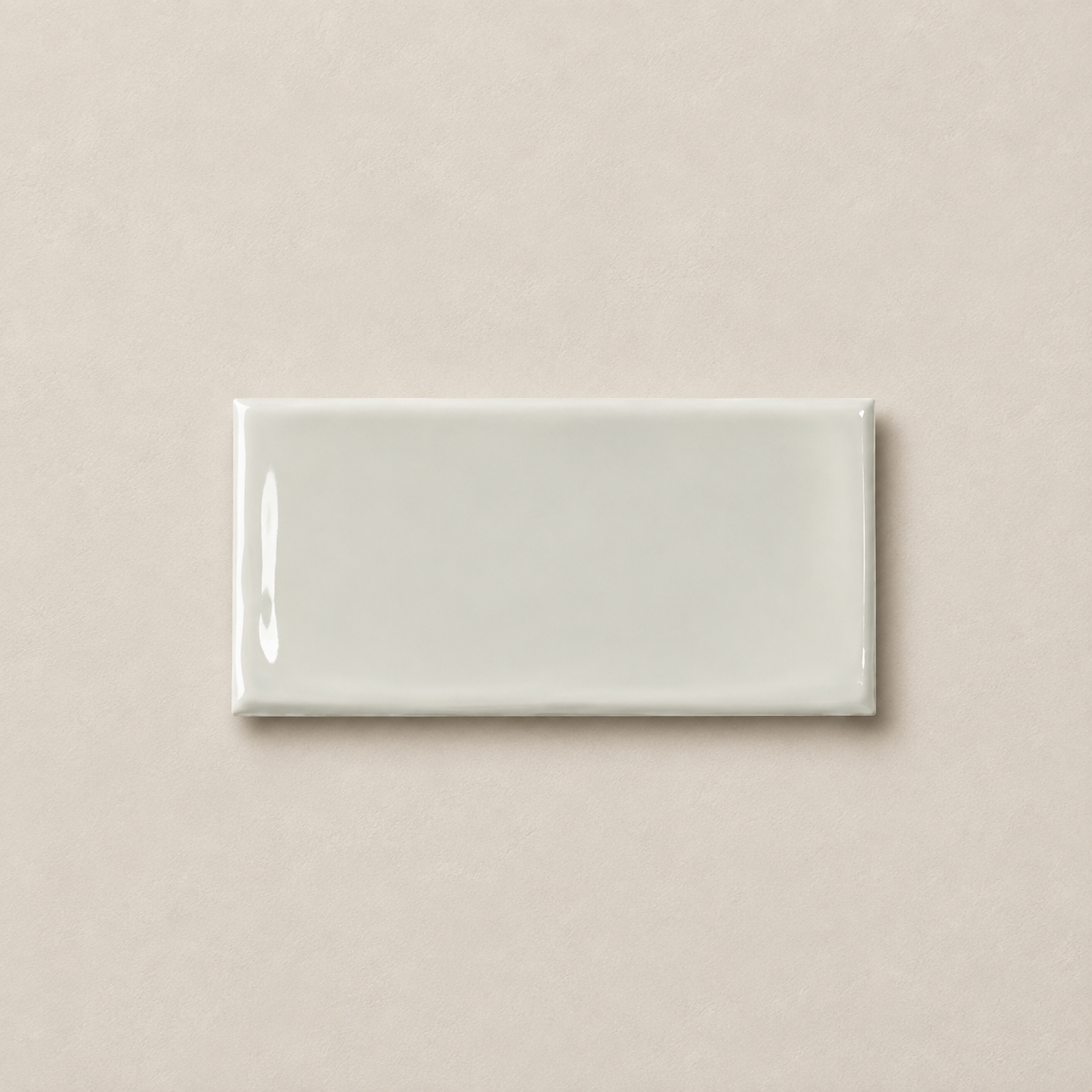
Victorian Cream Wall Tile 7.5x15cm
Soft, warm and inviting, Victorian Cream brings a gentle sense of comfort to interior walls. The colour feels relaxed and...
£17.99 -
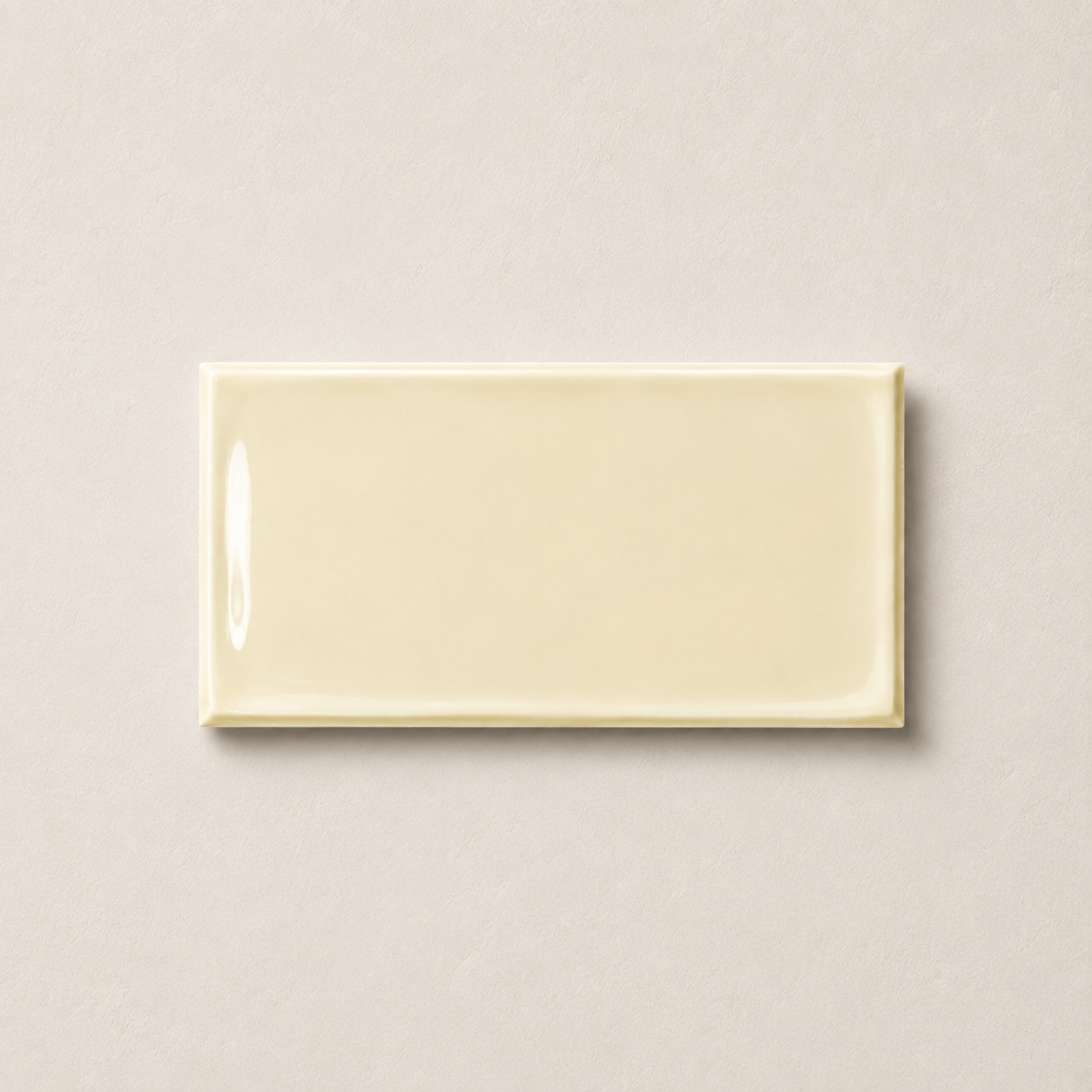
Victorian Bone Wall Tile 7.5x15cm
Bone offers a softer alternative to bright white, bringing warmth and subtle character into interior spaces. Sitting comfortably between ivory...
£17.99 -
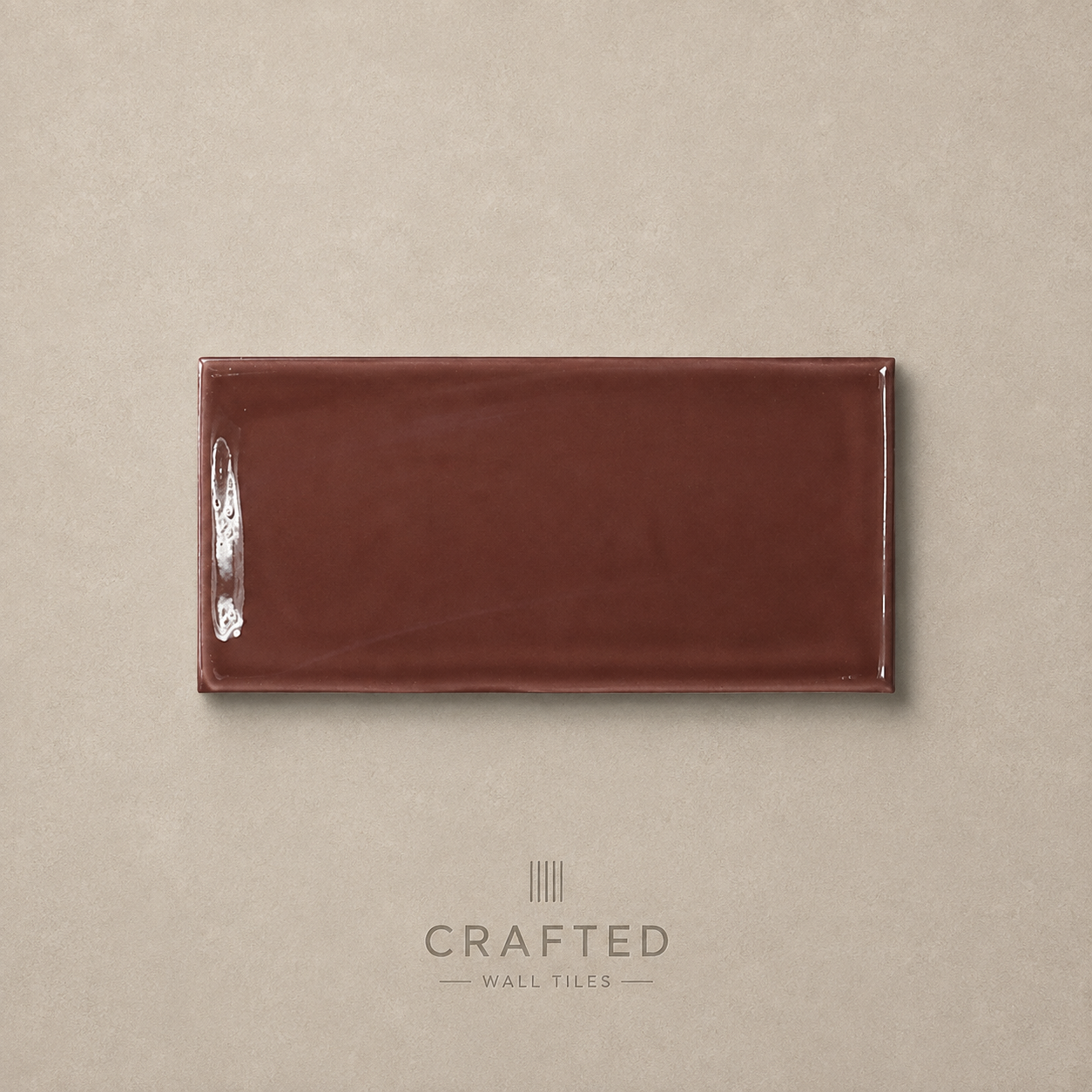
Victorian Burgundy Wall Tile 7.5x15cm
Rich, warm and full of character, Victorian Burgundy offers a more unexpected approach to colour. Inspired by deep wine tones...
£17.99 -
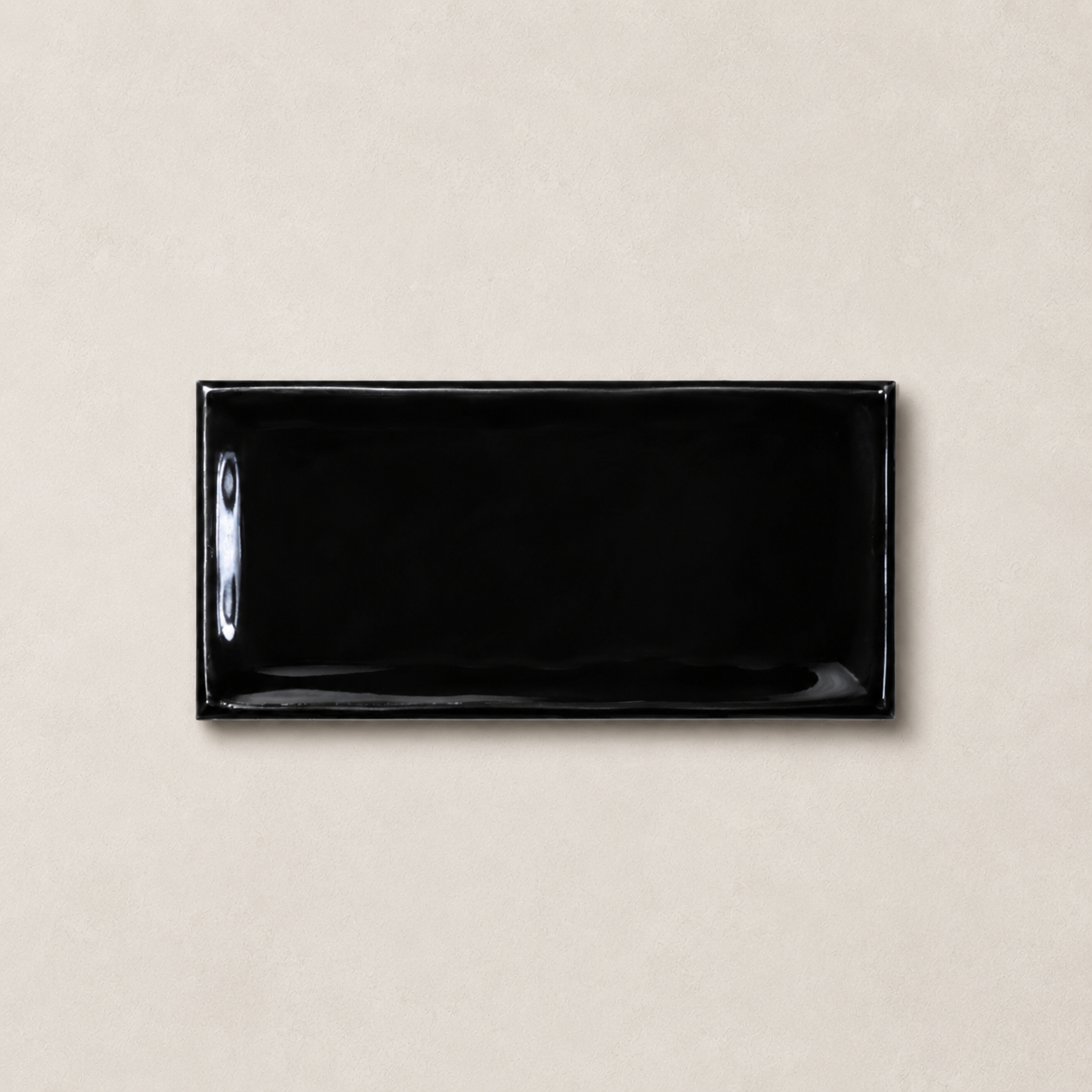
Victorian Black Wall Tile 7.5x15cm
Bold, sophisticated and effortlessly versatile, Victorian Black creates instant contrast while maintaining a refined appearance. The compact format softens the...
£17.99 -
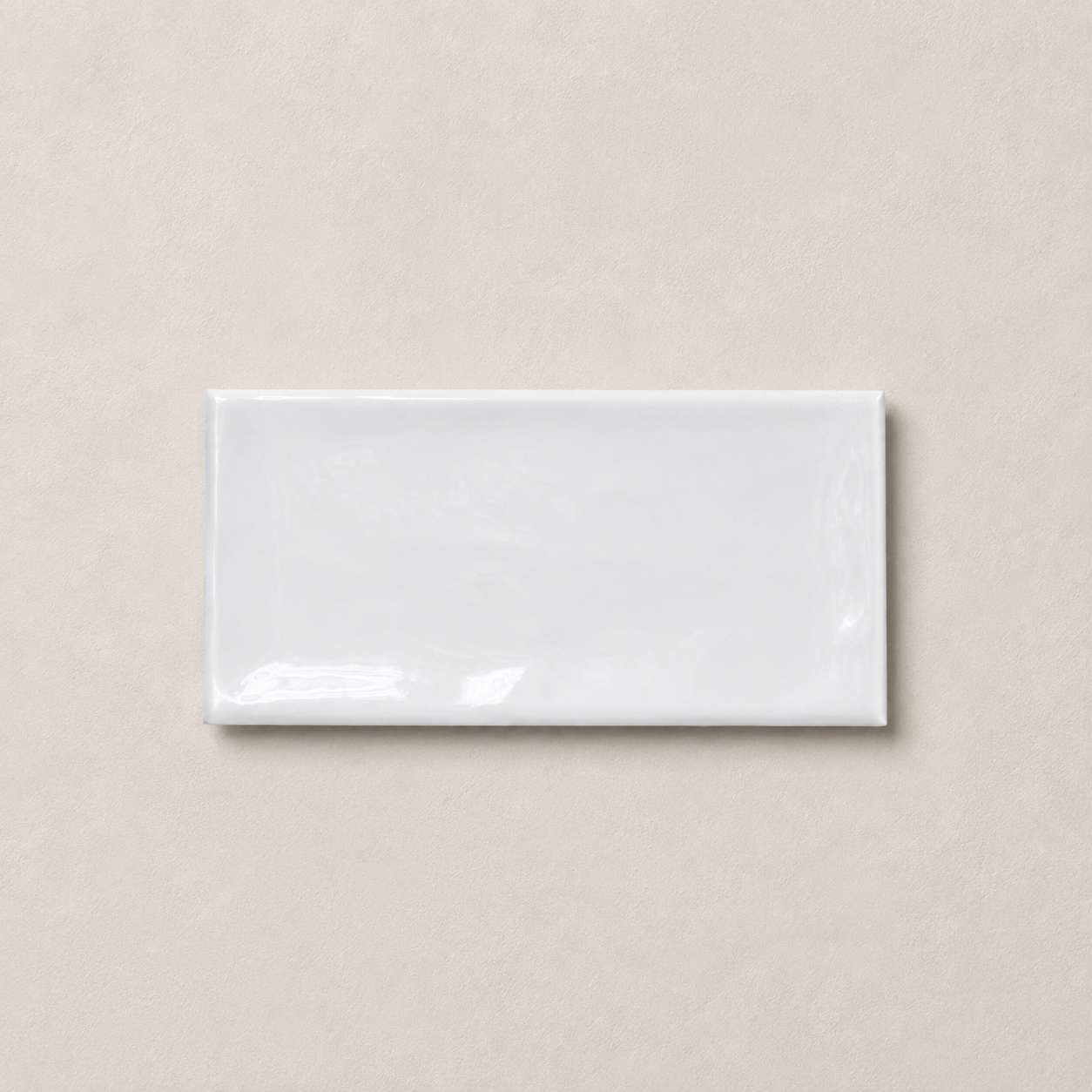
Victorian White Wall Tile 7.5x15cm
There is a reason white gloss tiles continue to appear in some of the most enduring interiors. Victorian White takes...
£17.99 -
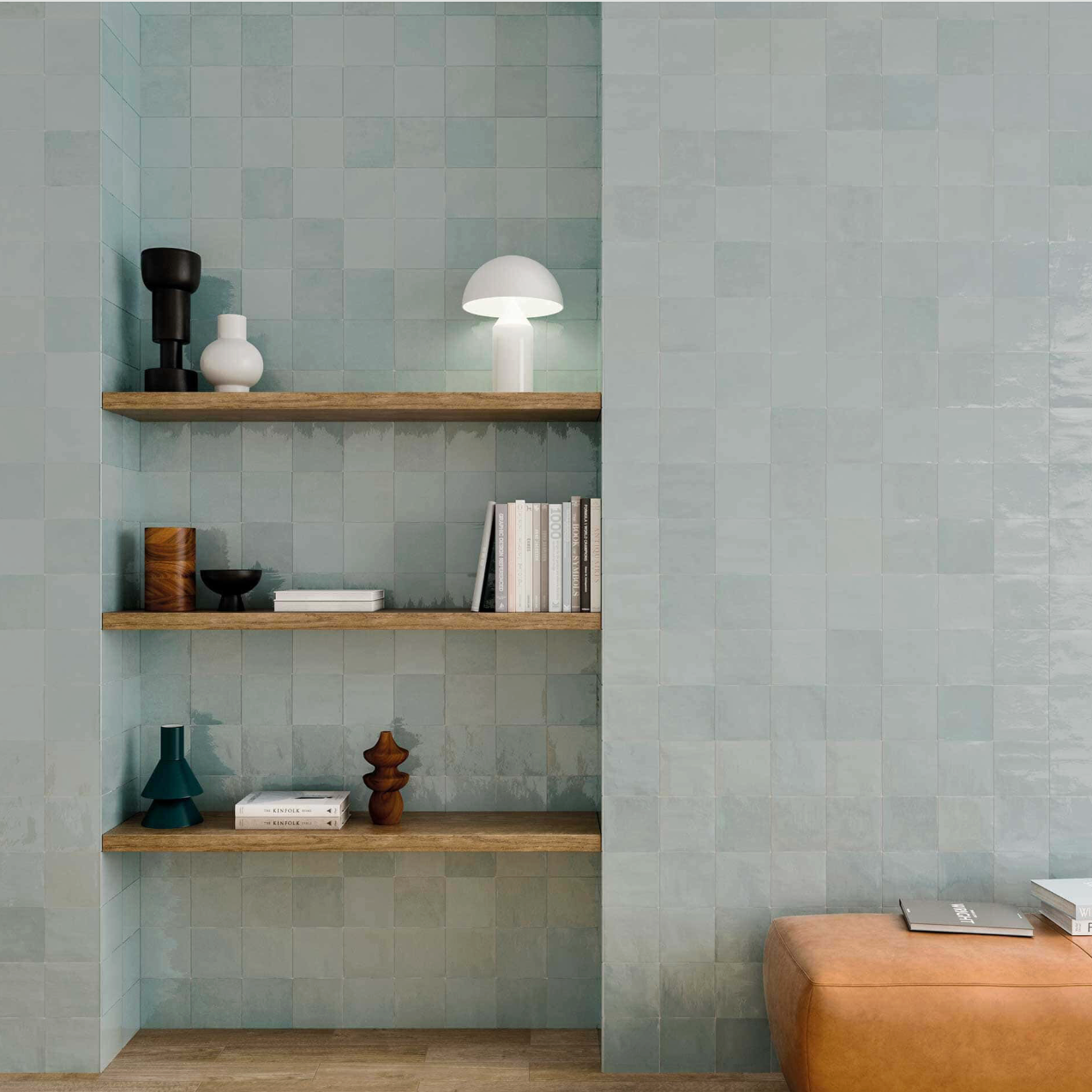
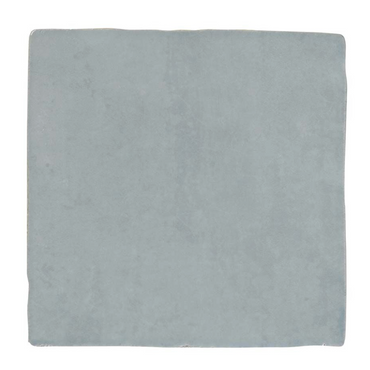
Zellige Light Blue Wall Tiles 13x13cm
A gentle blue wall tile inspired by coastal tones and traditional handcrafted ceramics. The glossy surface introduces depth and light,...
£31.99 -
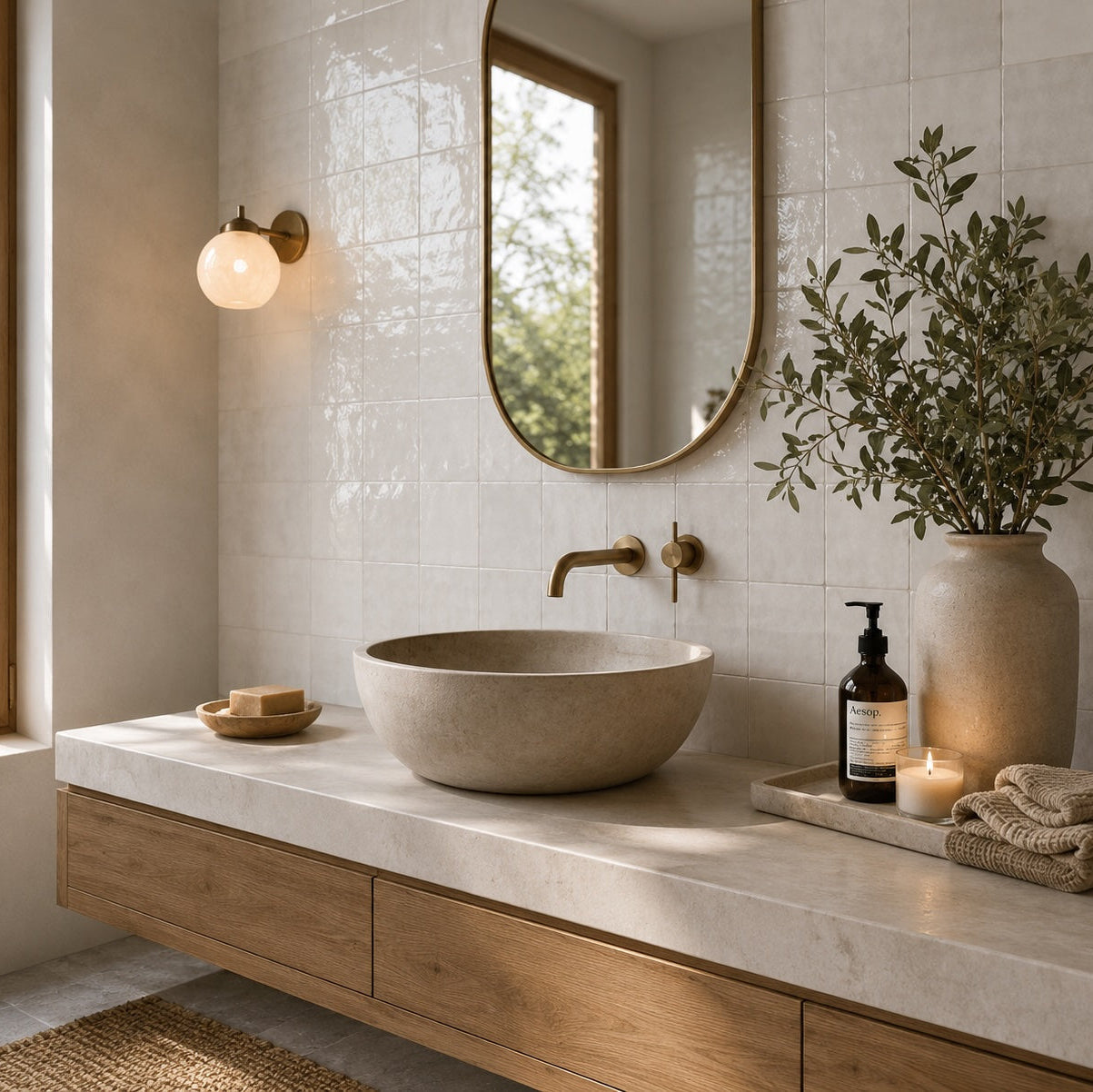
Zellige Pearl White Wall Tiles 13x13cm
A timeless white wall tile with softly irregular handmade edges and a glossy glazed finish. Simple in colour yet rich...
£31.99 -
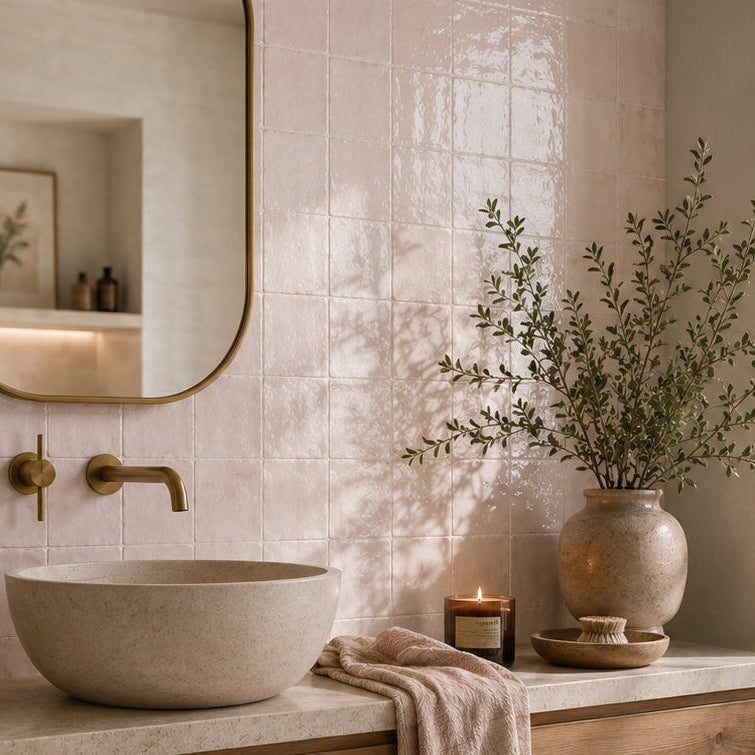
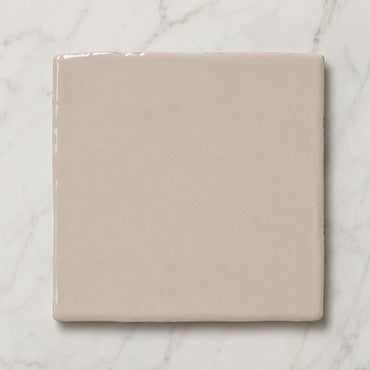
Zellige Pink Blush Wall Tiles 13x13cm
Soft blush tones and handcrafted detailing give Zellige Pink a warm, relaxed character. The gloss finish enhances the depth of...
£31.99 -
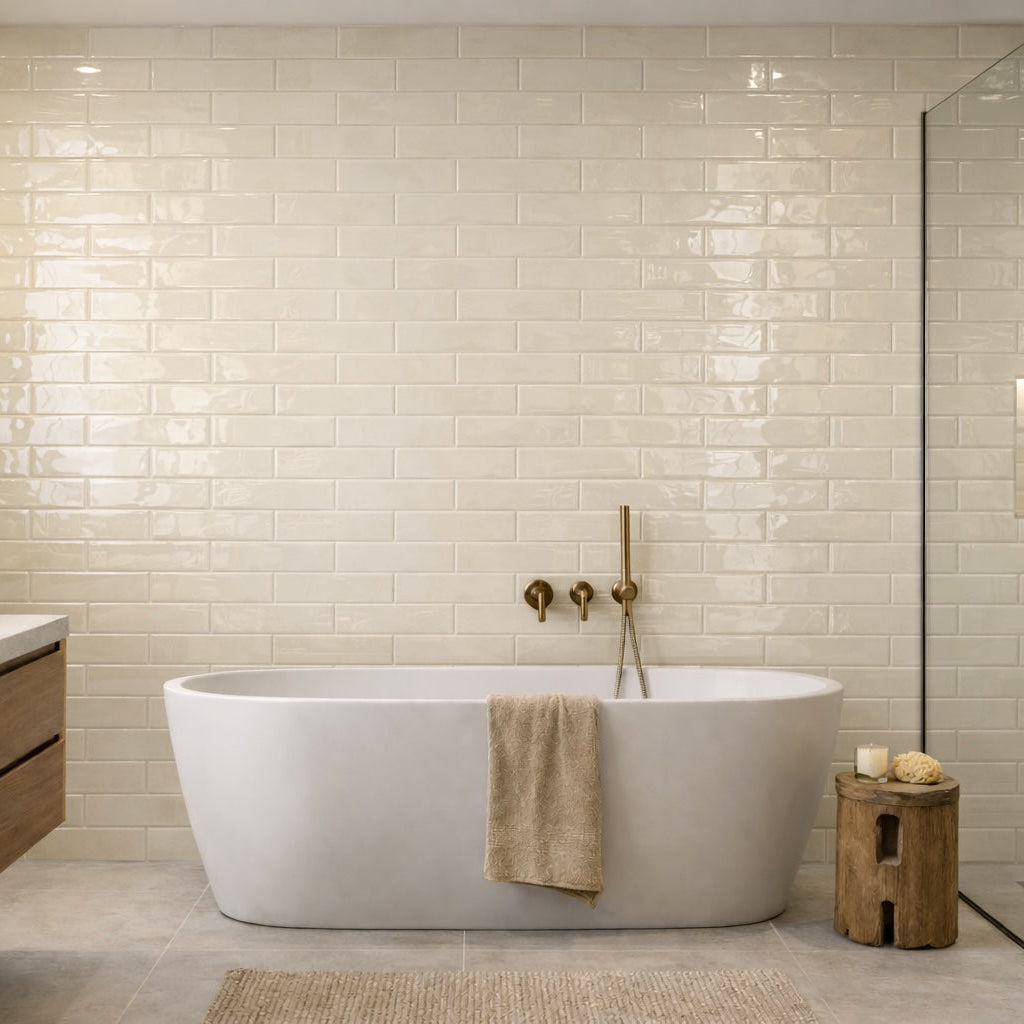
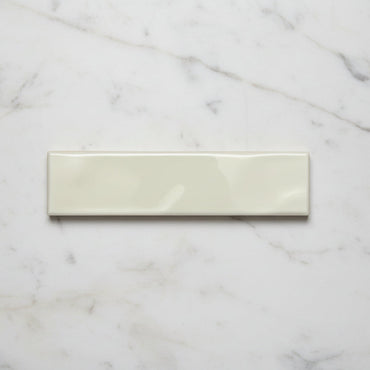
Handmade Sand Ripple Gloss Wall Tile 7.5x30cm
Handmade Sand combines warm neutral tones with a softly undulating gloss surface inspired by handcrafted ceramics and natural mineral textures....
£19.99 -
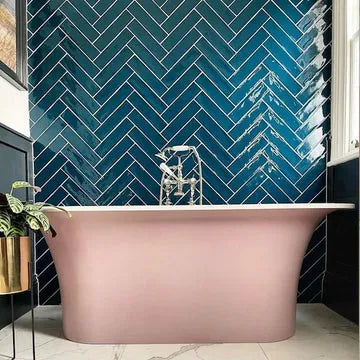
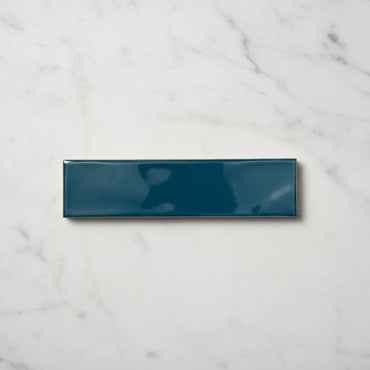
Handmade Turquoise Ripple Gloss Wall Tile 7.5x30cm
Rich turquoise tones and a gently rippled surface give Handmade Turquoise a more expressive artisan feel. The gloss finish enhances...
£19.99 -
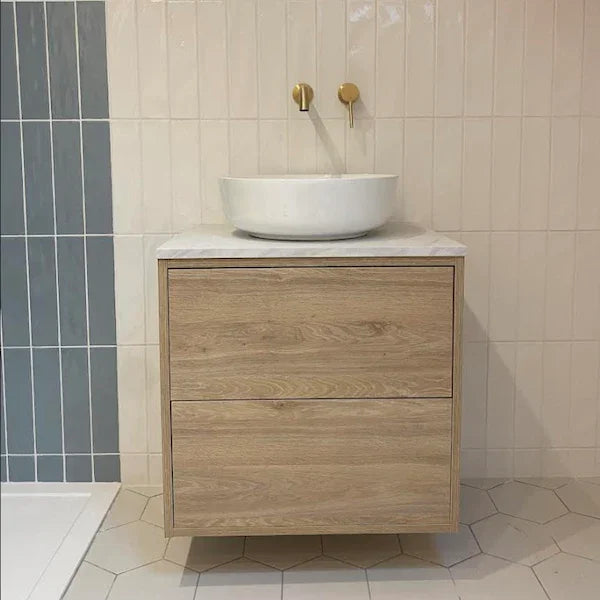
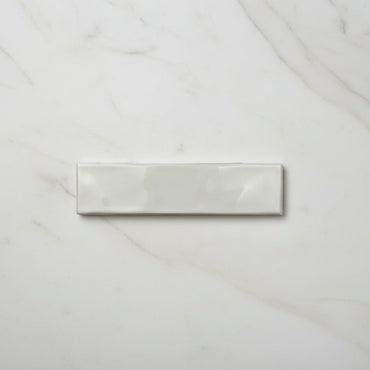
Handmade White Ripple Gloss Wall Tile 7.5x30cm
A crisp white ceramic wall tile with a softly textured ripple surface and handcrafted-style finish. The gloss glaze reflects light...
£19.99 -
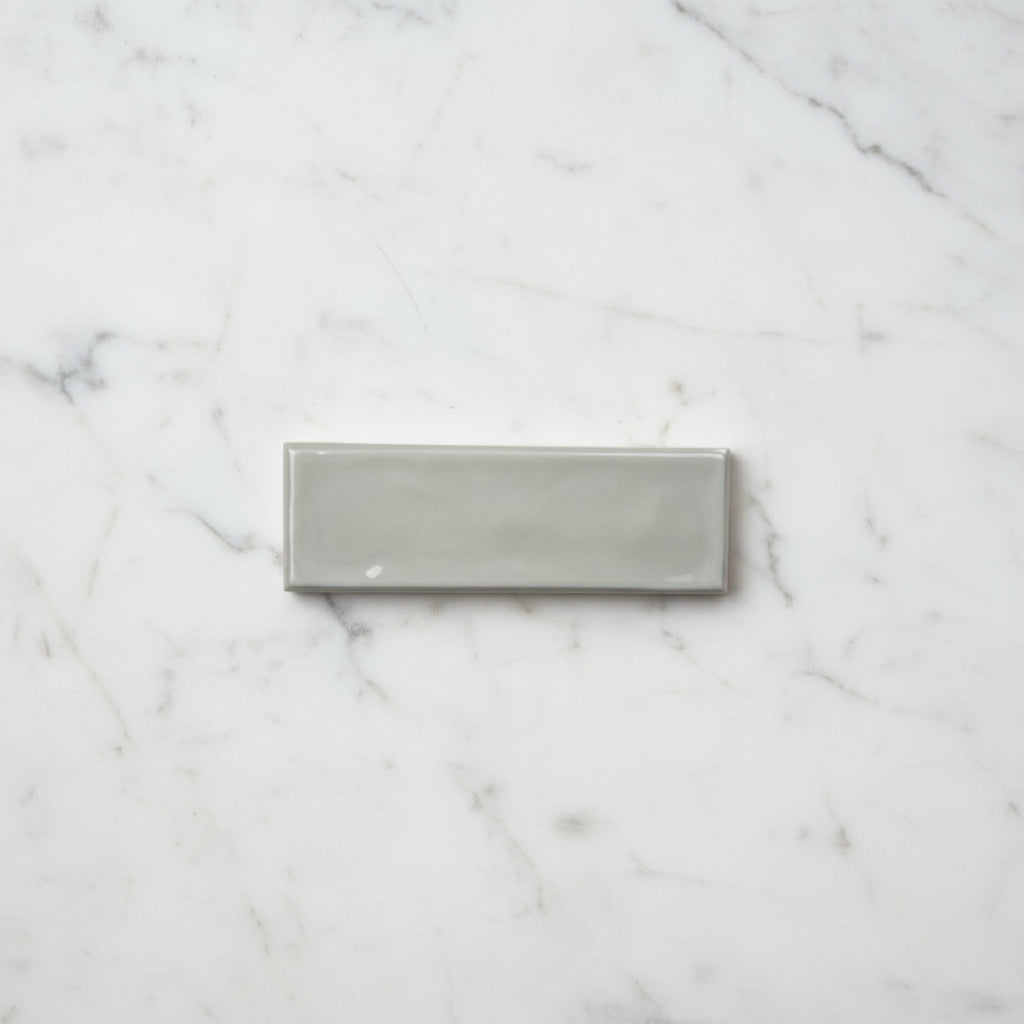
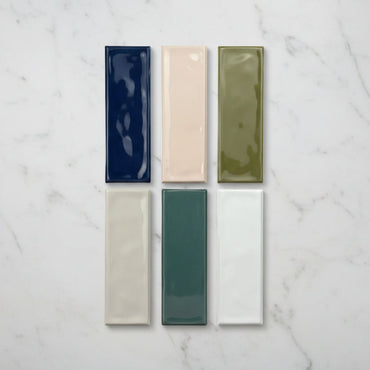
Riviera Pearl Ripple Gloss Wall Tile 6.5x20cm
Riviera Pearl sits between warm white and pale stone, offering a softer neutral with subtle depth through the undulating gloss...
£31.99 -
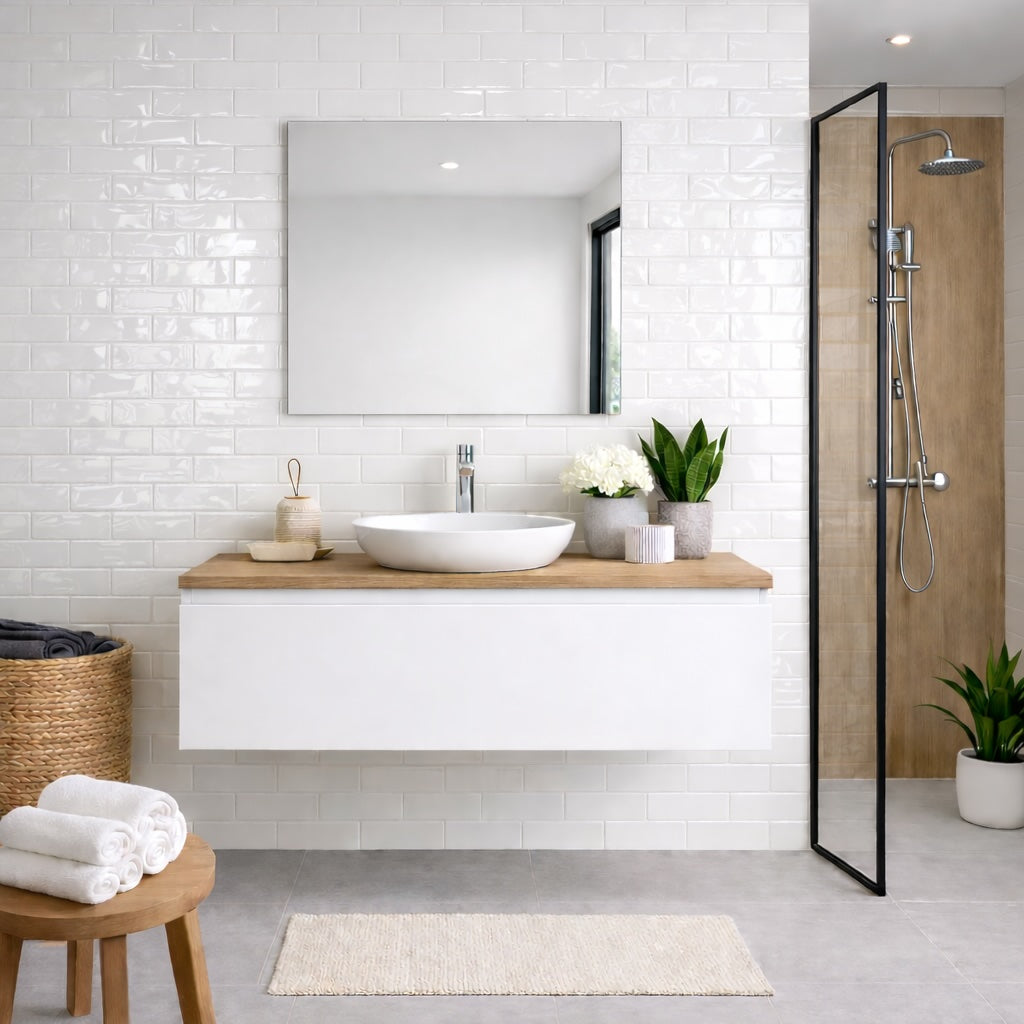
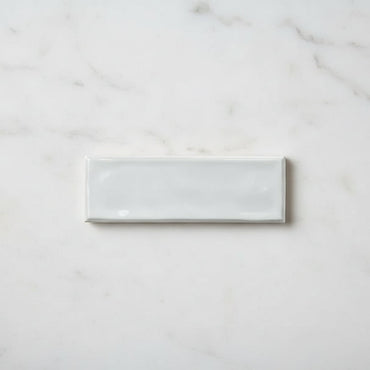
Riviera White Ripple Gloss Wall Tile 6.5x20cm
A crisp white ceramic wall tile with a softly rippled gloss surface that reflects light gently across the wall. Clean...
£31.99 -
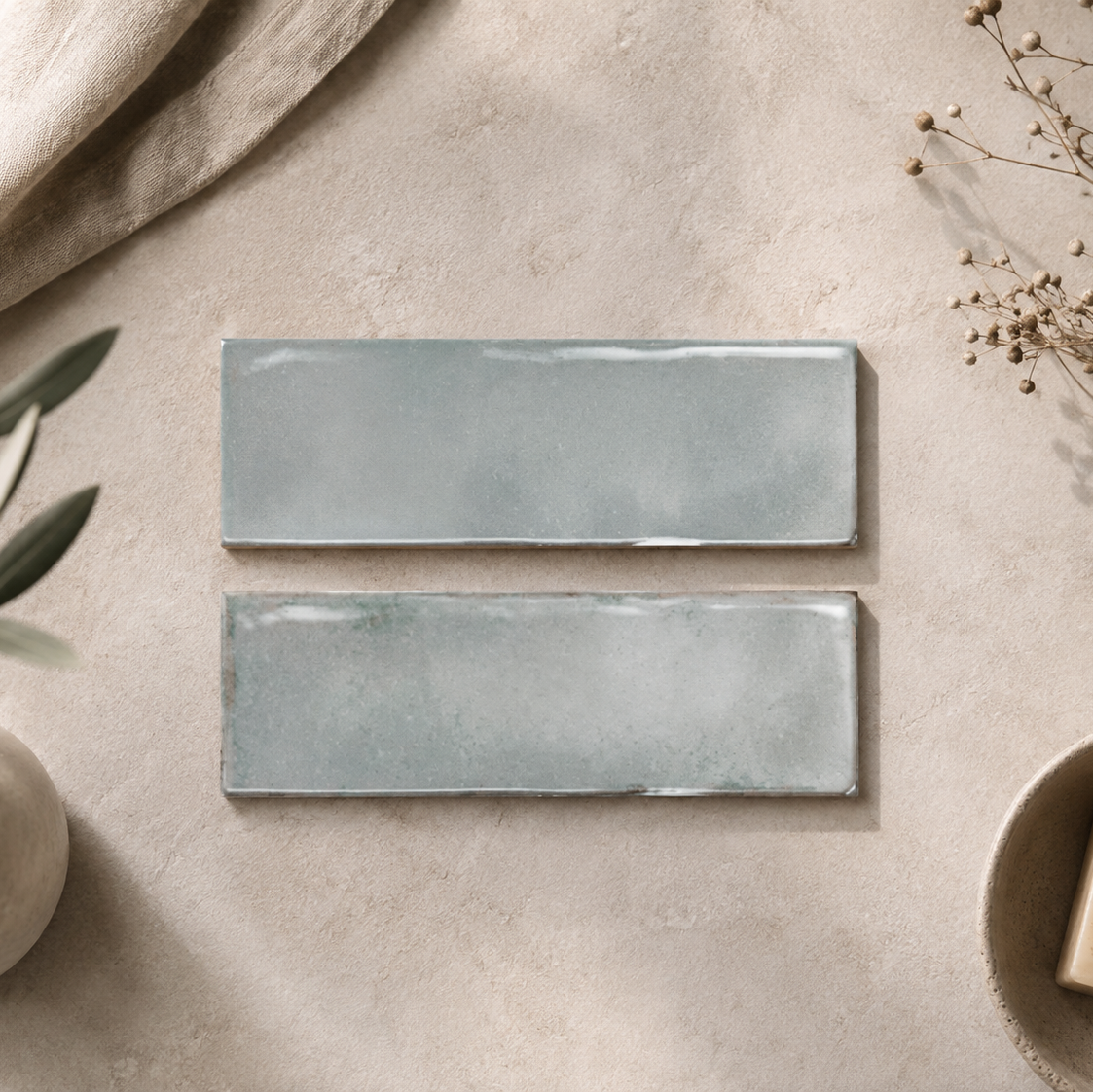
Palais Aloe Gloss Wall Tile 20x6.5cm
Soft and restorative, Palias Aloe brings a sense of calm that feels instantly at home in contemporary interiors. The gentle...
£31.19 -
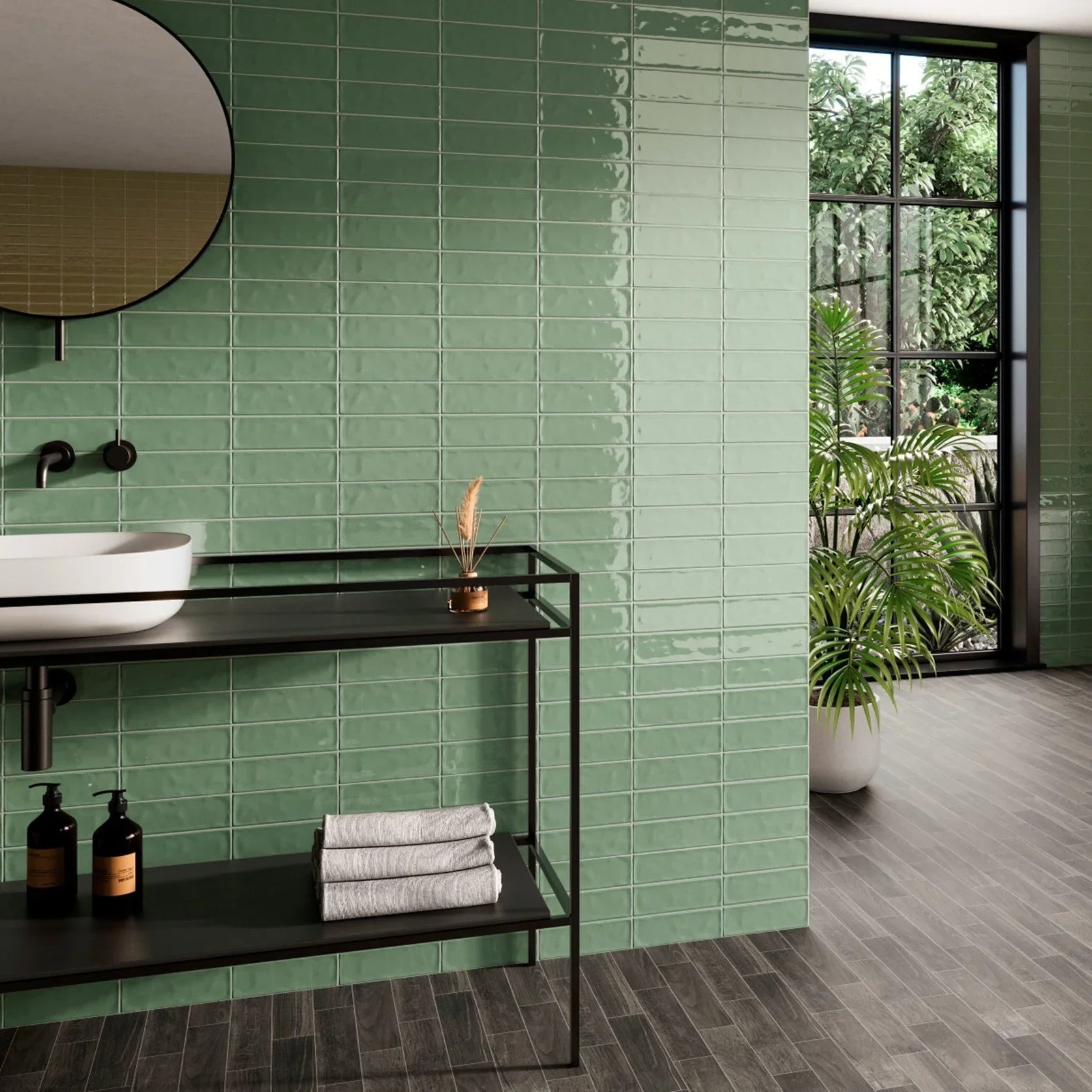
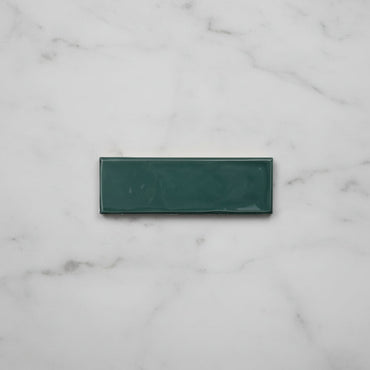
Riviera Green Ripple Gloss Wall Tile 6.5x20cm
Riviera Green combines deeper mineral tones with a softly rippled gloss finish that gives the surface a more fluid, handcrafted...
£31.99 -
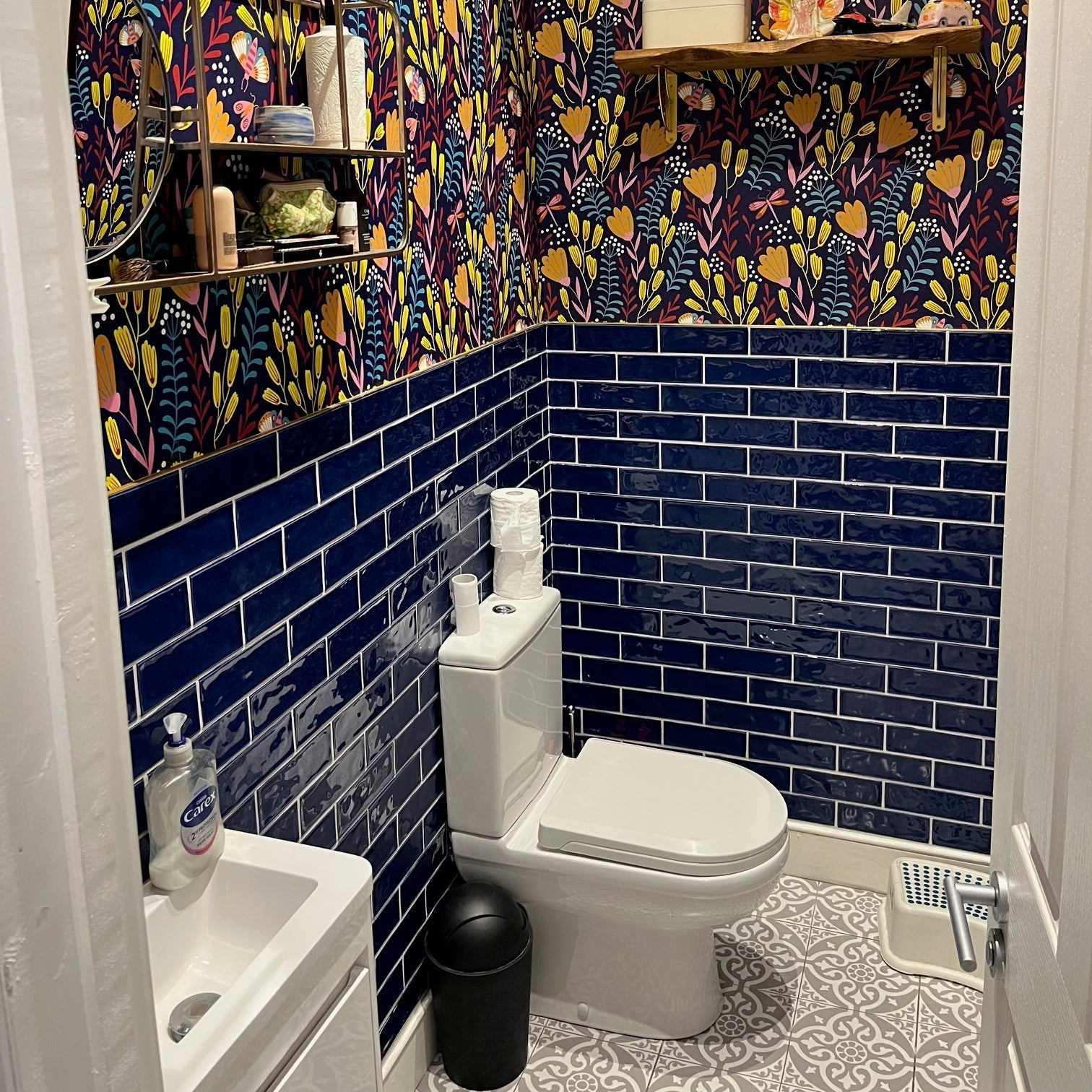
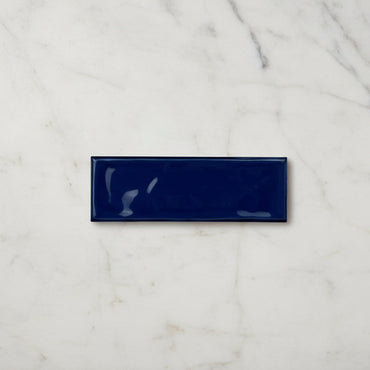
Riviera Blue Ripple Gloss Wall Tile 6.5x20cm
A softened blue ceramic wall tile with a reflective rippled surface inspired by coastal ceramics and weathered Mediterranean tones. The...
£31.99 -
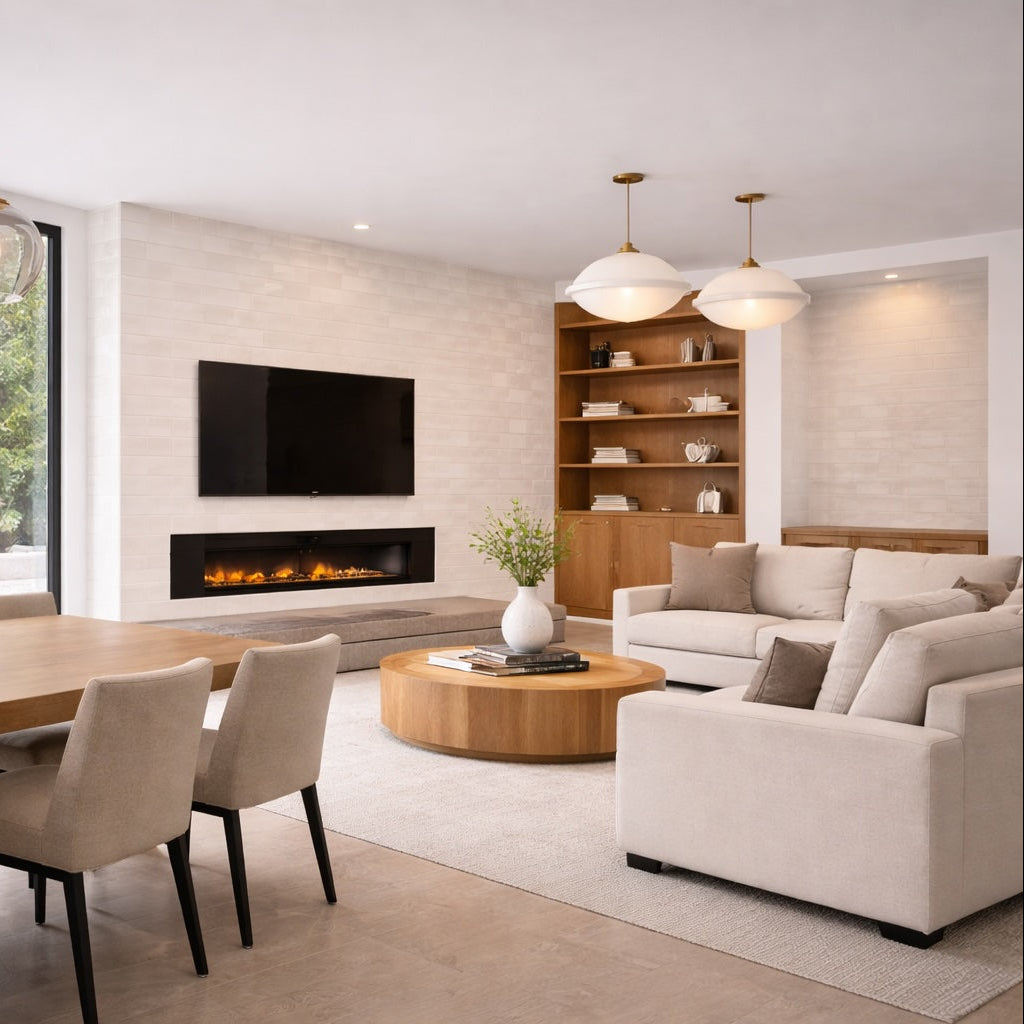
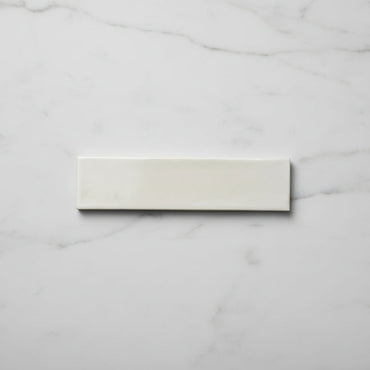
Opal Ivory Gloss Wall Tiles 7.5x30cm
Opal Ivory offers a softer alternative to bright white, combining warm neutral tones with a reflective glazed finish and subtle...
£19.99 -
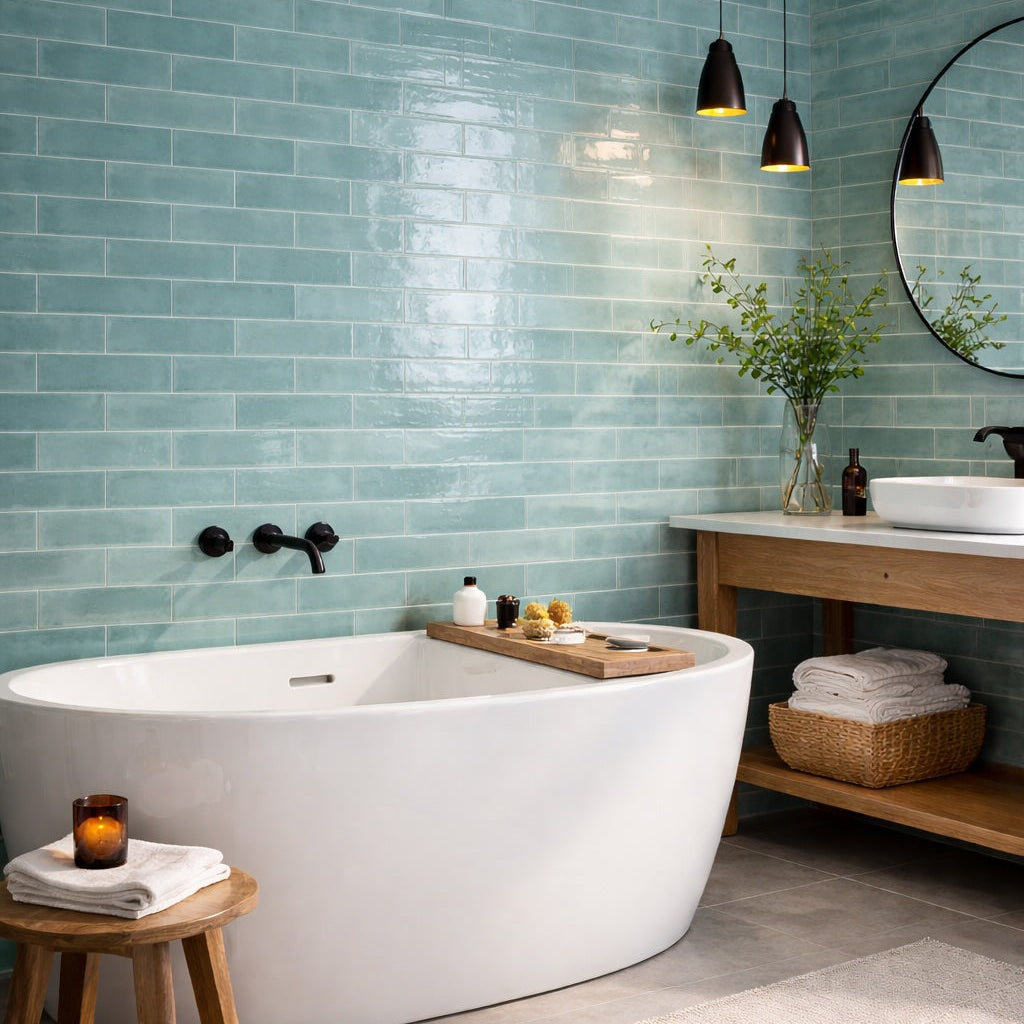
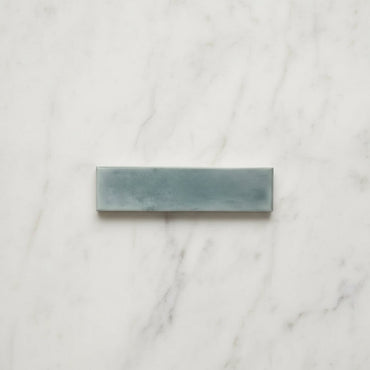
Opal Turquoise Gloss Wall Tiles 7.5x30cm
Opal Turquoise combines vibrant coastal tones with a richly glazed surface that brings movement and depth across the wall. The...
£19.99 -
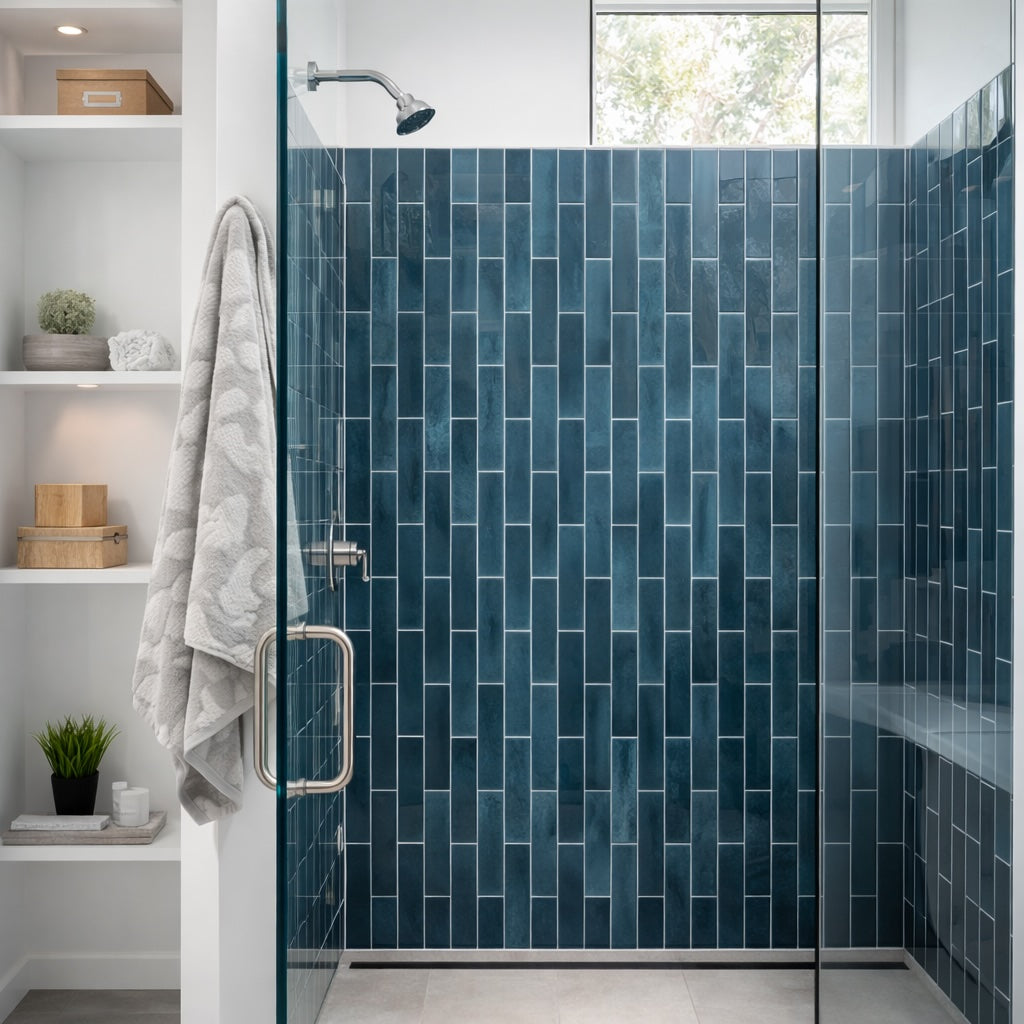
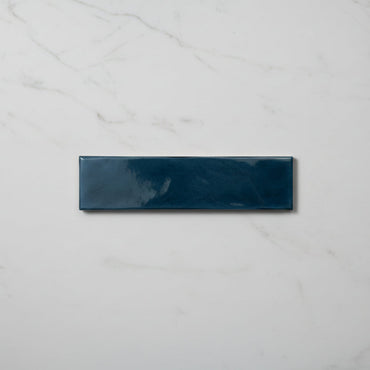
Opal Marine Gloss Wall Tiles 7.5x30cm
Deeper blue tones and a rich reflective glaze give Opal Marine a moodier, more dramatic feel than the lighter colours...
£19.99


What does a ripple actually add?
Choosing the right amount of movement
Light can completely change the effect
Let the texture have the final word