Skip to content
Code CRFTD15 for £15 off
Free Shipping on Orders over £399.

Collection: Victorian

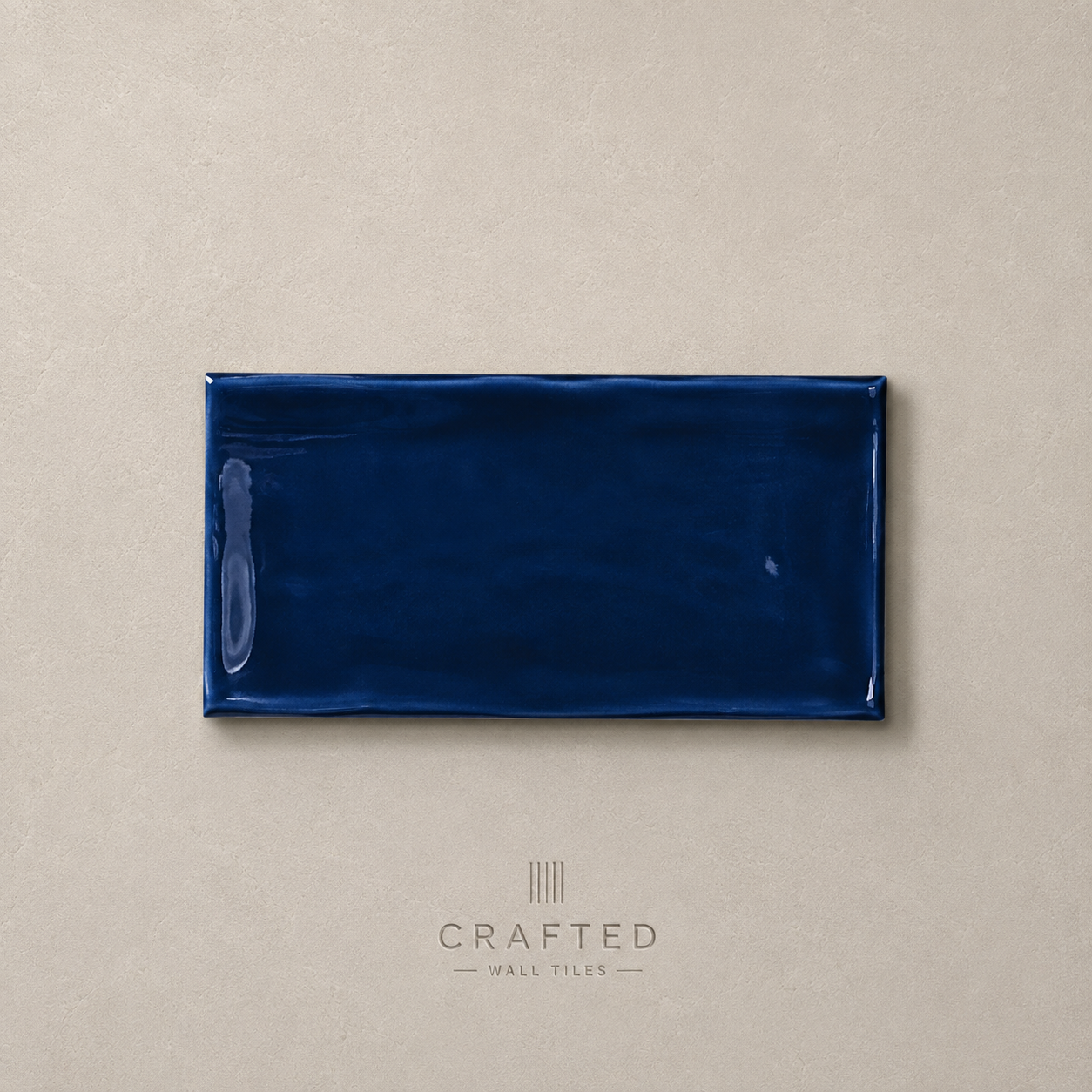
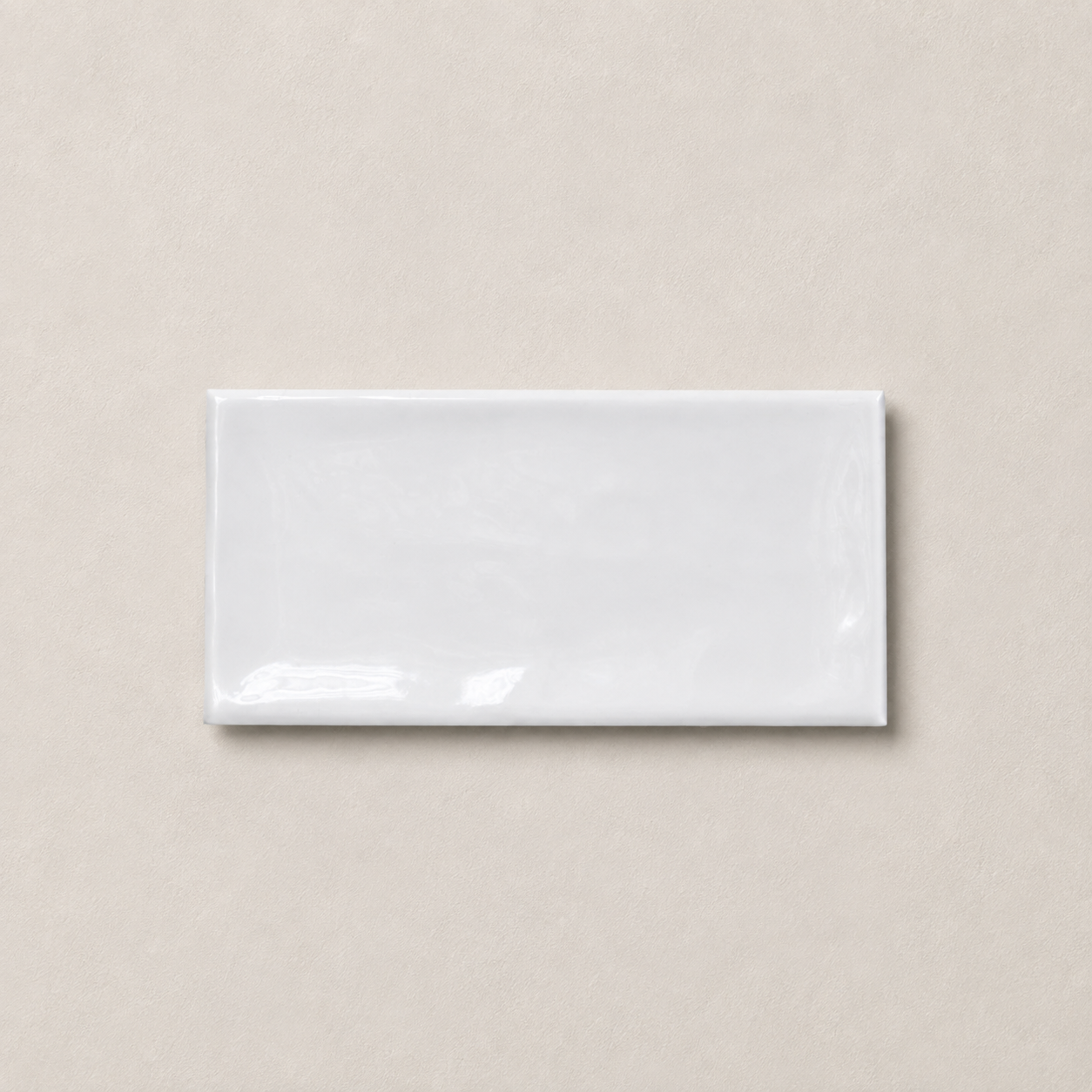
Victorian takes a familiar brick-shaped tile and gives it a little more depth through a softly rippled gloss surface. The result sits nicely between traditional and contemporary: familiar enough to feel timeless, but with enough surface character and colour to make the wall feel deliberately designed. Cream, Bone and White keep things understated, while Blue, Burgundy and Black can completely change the mood.

6 products

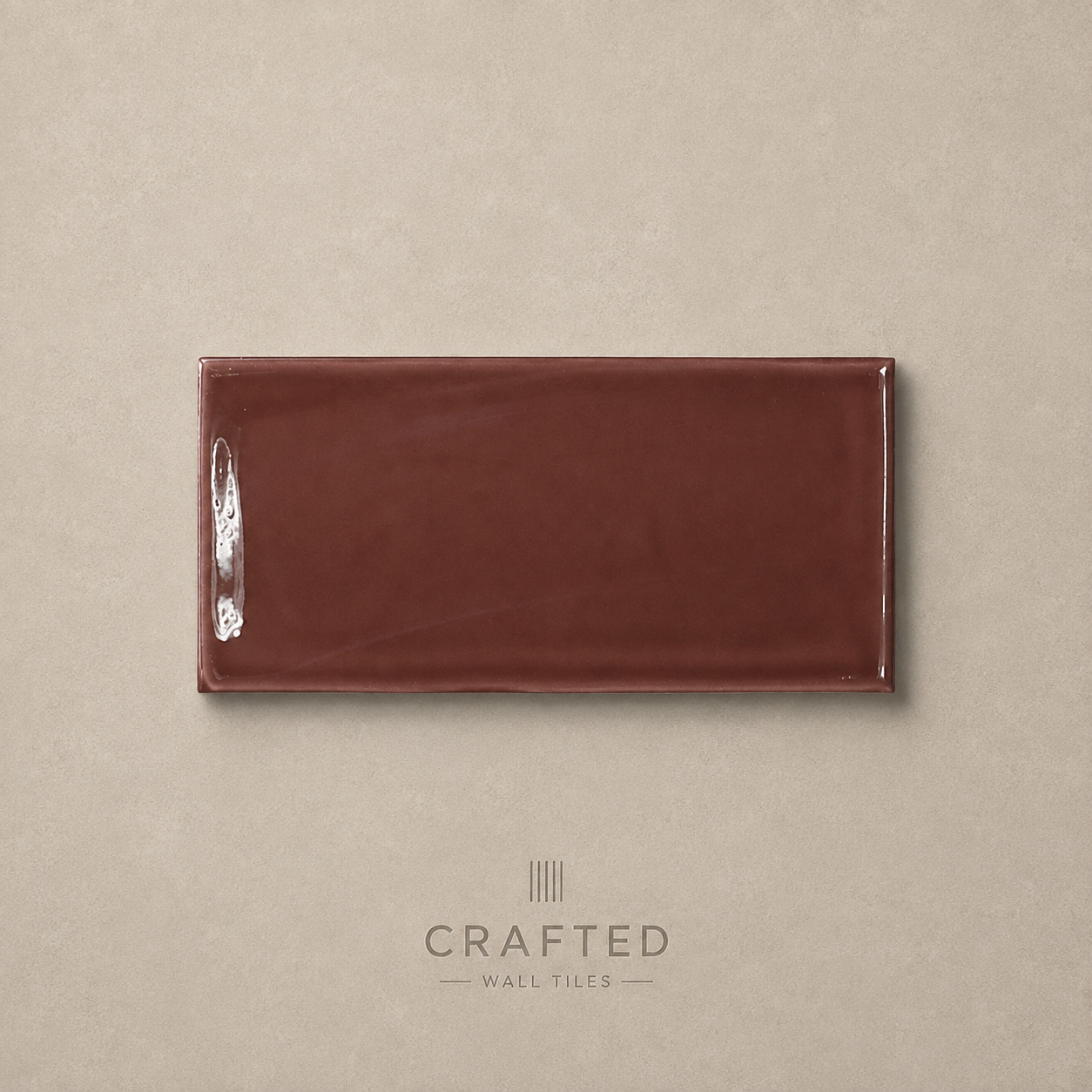
  • Victorian Burgundy Wall Tile 7.5x15cm

    Rich, warm and full of character, Victorian Burgundy offers a more unexpected approach to colour. Inspired by deep wine tones...

    £17.99
  • Victorian Blue Wall Tile 7.5x15cm

    Victorian Blue strikes a balance between classic and contemporary, offering a rich colour that feels both familiar and fresh. The...

    £17.99
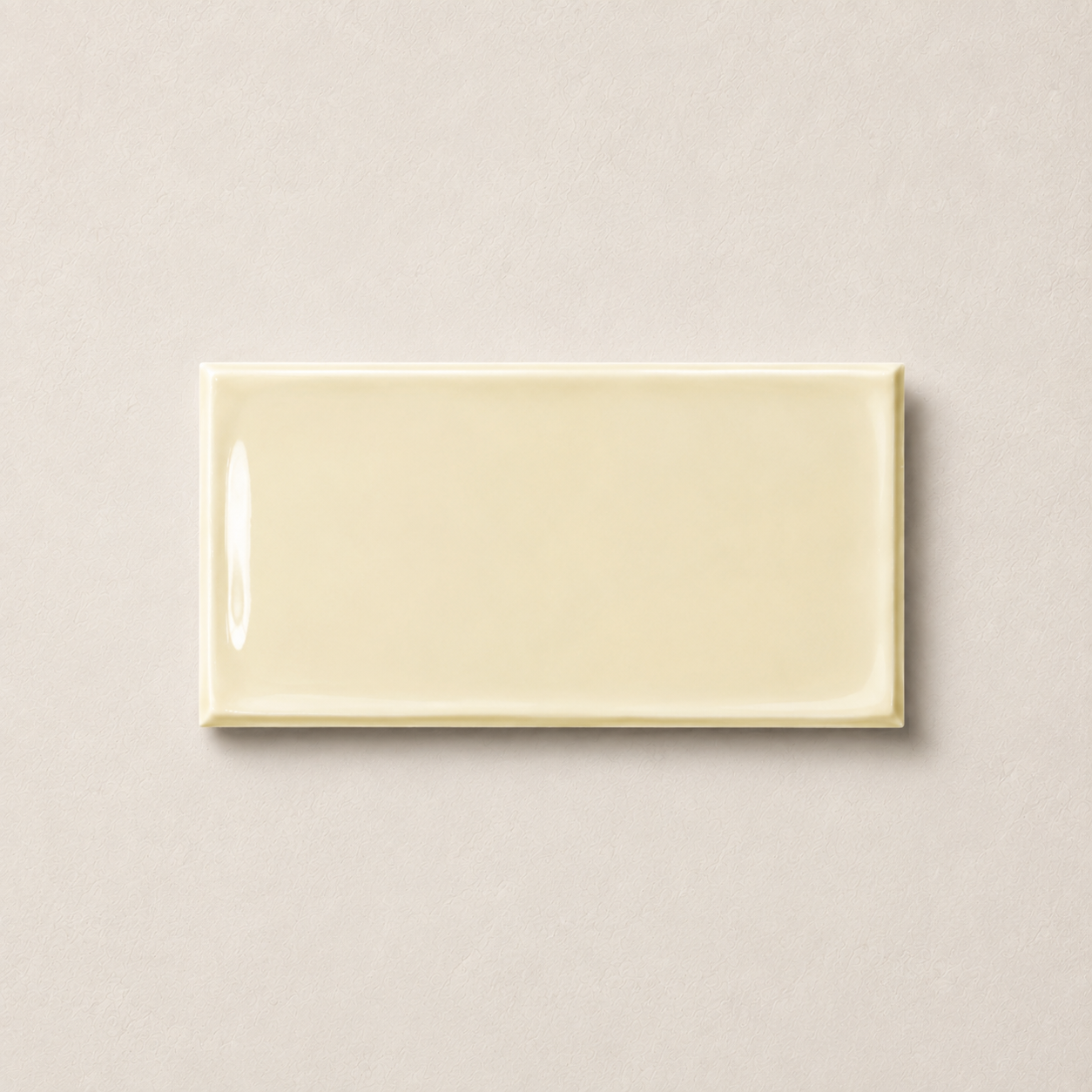
  • Victorian Cream Wall Tile 7.5x15cm

    Soft, warm and inviting, Victorian Cream brings a gentle sense of comfort to interior walls. The colour feels relaxed and...

    £17.99
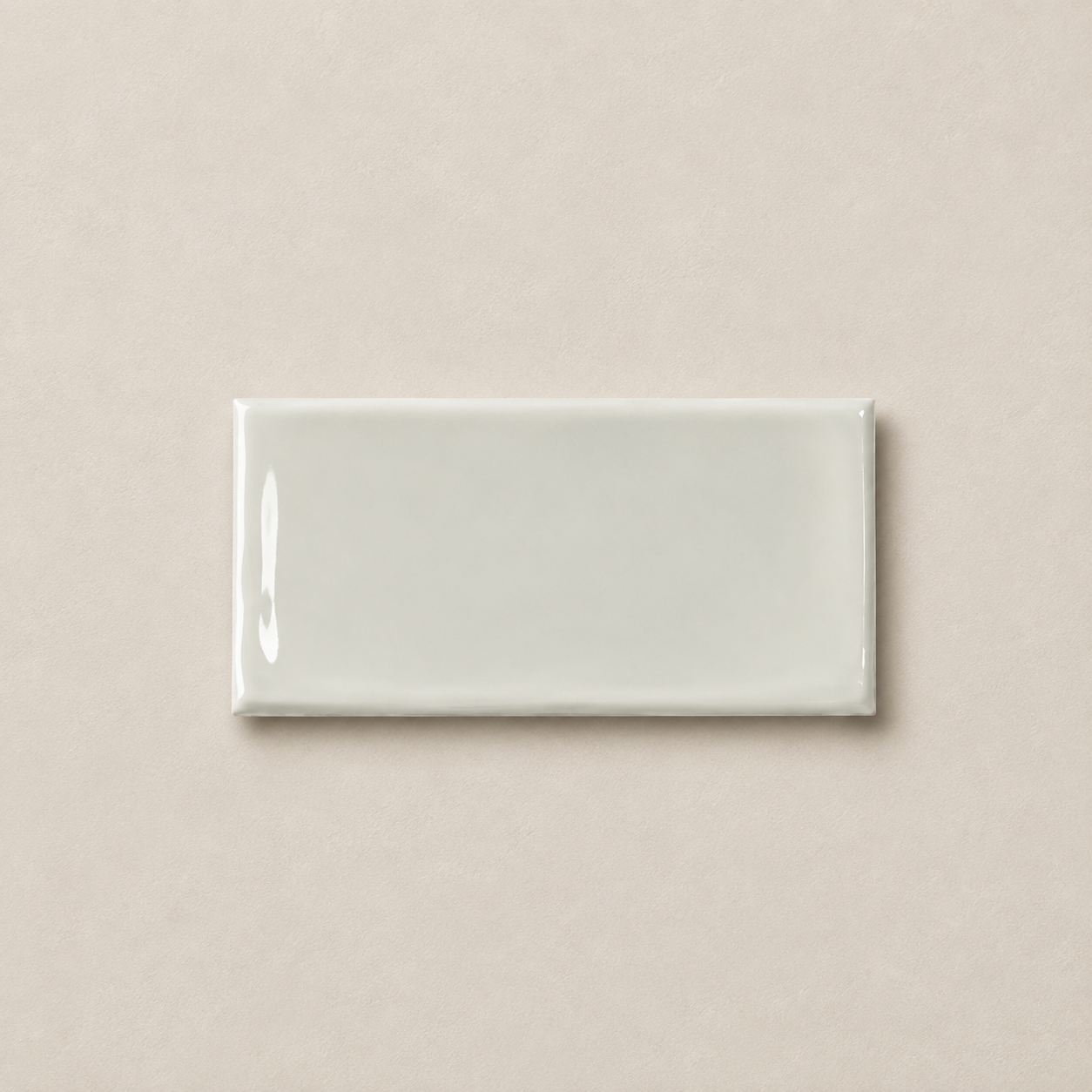
  • Victorian Bone Wall Tile 7.5x15cm

    Bone offers a softer alternative to bright white, bringing warmth and subtle character into interior spaces. Sitting comfortably between ivory...

    £17.99
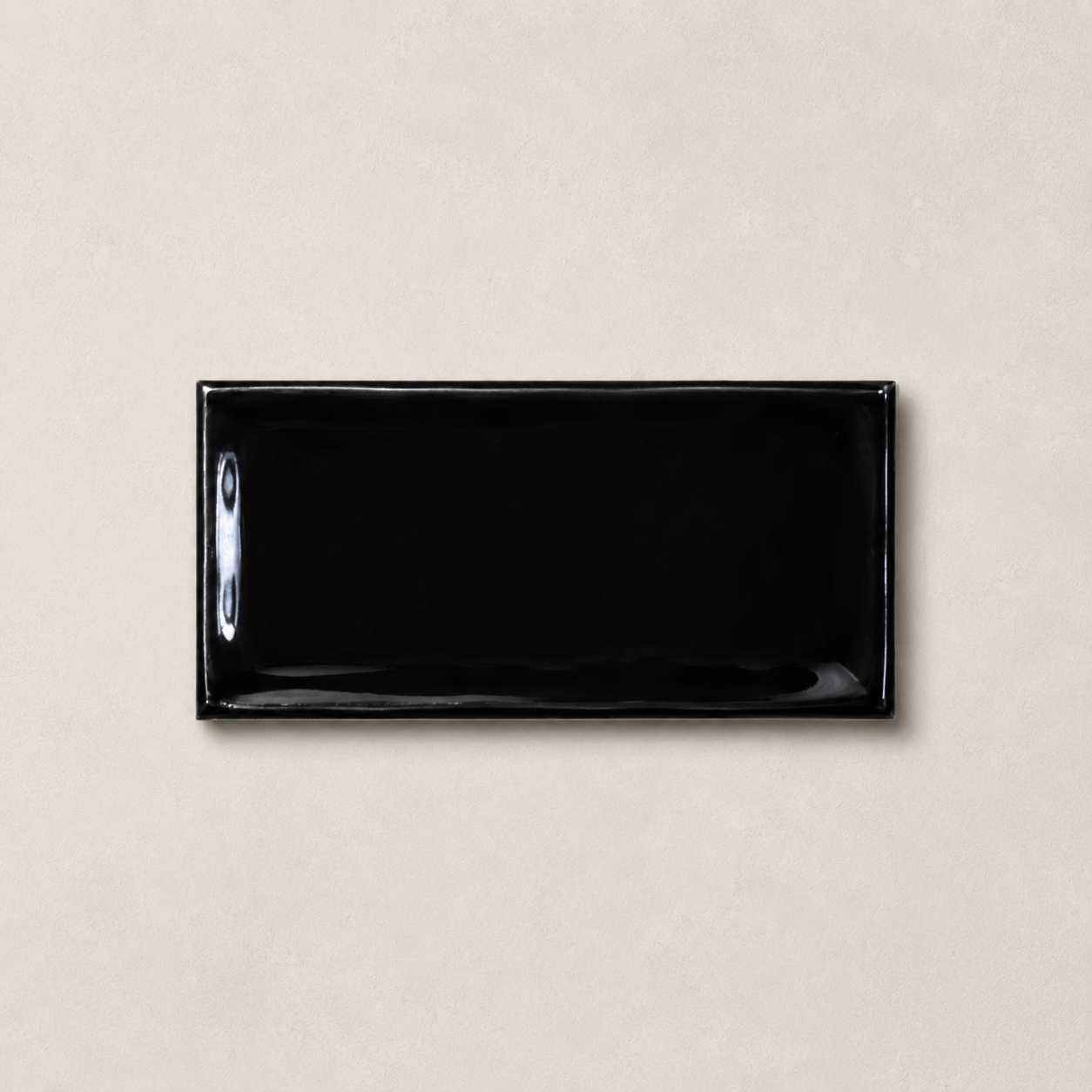
  • Victorian Black Wall Tile 7.5x15cm

    Bold, sophisticated and effortlessly versatile, Victorian Black creates instant contrast while maintaining a refined appearance. The compact format softens the...

    £17.99
  • Victorian White Wall Tile 7.5x15cm

    There is a reason white gloss tiles continue to appear in some of the most enduring interiors. Victorian White takes...

    £17.99
The shape of a tile can carry strong associations, but it is rarely the only thing determining how a room feels. Victorian is a good example of that.

Use White or Cream in a traditional brick bond and you'll naturally get a more familiar, heritage-inspired look. Change the colour to Black or Burgundy, use a more restrained grout and suddenly the same basic format feels much more modern.

That is useful when you like the proportions of a traditional tile but don't want the finished room to look like a period reproduction. Colour, grout and layout can change the character of a familiar shape surprisingly quickly.

Shorter brick-shaped tiles create more joints across a wall than longer formats, so the eye reads the individual pieces more readily. That's part of what gives Victorian its traditional feel.

A standard brick bond reinforces that rhythm. Herringbone makes it considerably more decorative, while stacking the tiles removes some of the traditional association and gives the wall a cleaner, more contemporary grid.

This is one of those collections where the laying pattern isn't simply a finishing choice. It can shift the overall design language of the room.

It's tempting to choose a tile colour because you like the colour itself, but stronger shades can change the perceived proportions and atmosphere of a room.

Blue can create a cooler, deeper backdrop; Burgundy introduces warmth and richness; Black gives the wall considerably more visual weight. Cream and Bone are softer and more forgiving, particularly where you want the tile to sit alongside timber or warm stone.

Think about what you want the wall to do. Should it quietly support the room, or should it anchor the scheme?

That question is often more useful than simply asking which colour you like most.

Victorian's surface movement is deliberately restrained. It isn't trying to look heavily handmade or distressed; instead, the subtle ripple gives the glaze something to react with when light falls across it.

That makes it particularly useful when you want a plain-coloured tile to have a little more depth without introducing a separate pattern or texture.

It's also why the finish can become more noticeable as the light changes. A wall beside a window or directional fitting will reveal the surface differently from one lit very evenly.

You might like