

Collection: Handmade Effect
Handmade effect tiles bring some of the warmth and individuality associated with traditional tiles to a more consistent, modern format. The appeal is usually found in the small details - an edge that isn't perfectly straight, a glaze that shifts slightly from tile to tile, or a surface that catches the light unevenly. Together, these details can make a wall feel much more alive than a completely uniform tile.

-
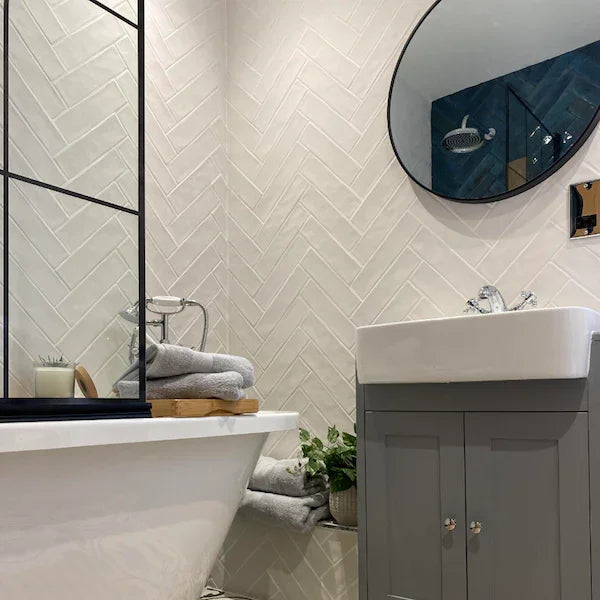
Cotswold White Matt Handmade Effect Wall Tile 7.5x30cm
Cotswold Matt White takes a quieter approach to white wall tiles. The soft matt finish creates a more understated appearance,...
£44.99 -
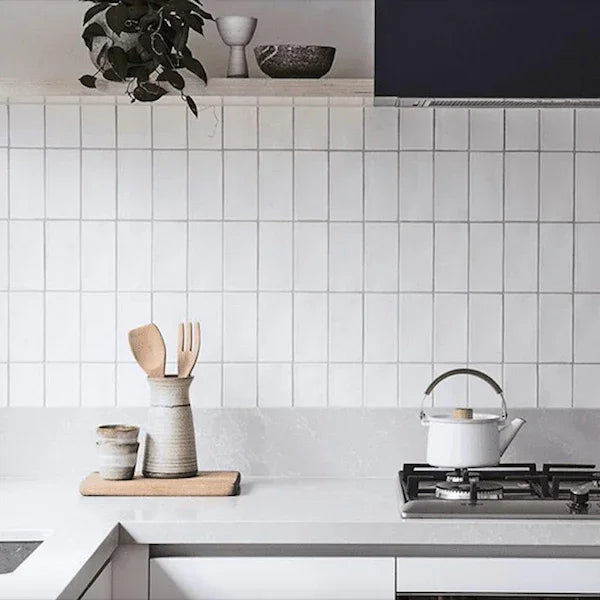
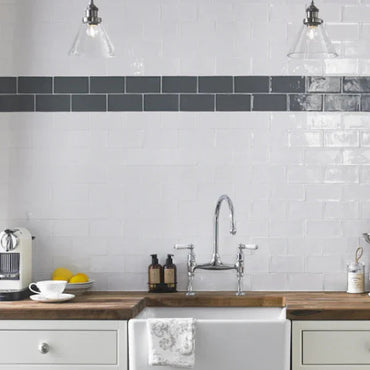
Cotswold Snow White Gloss Hand Made Effect Wall Tiles 7.5x15cm
Cotswold Snow White Gloss Handmade Effect Wall Tiles 7.5x15cm Compact and full of character, the Cotswold Snow White Gloss 7.5x15cm...
£19.99 -
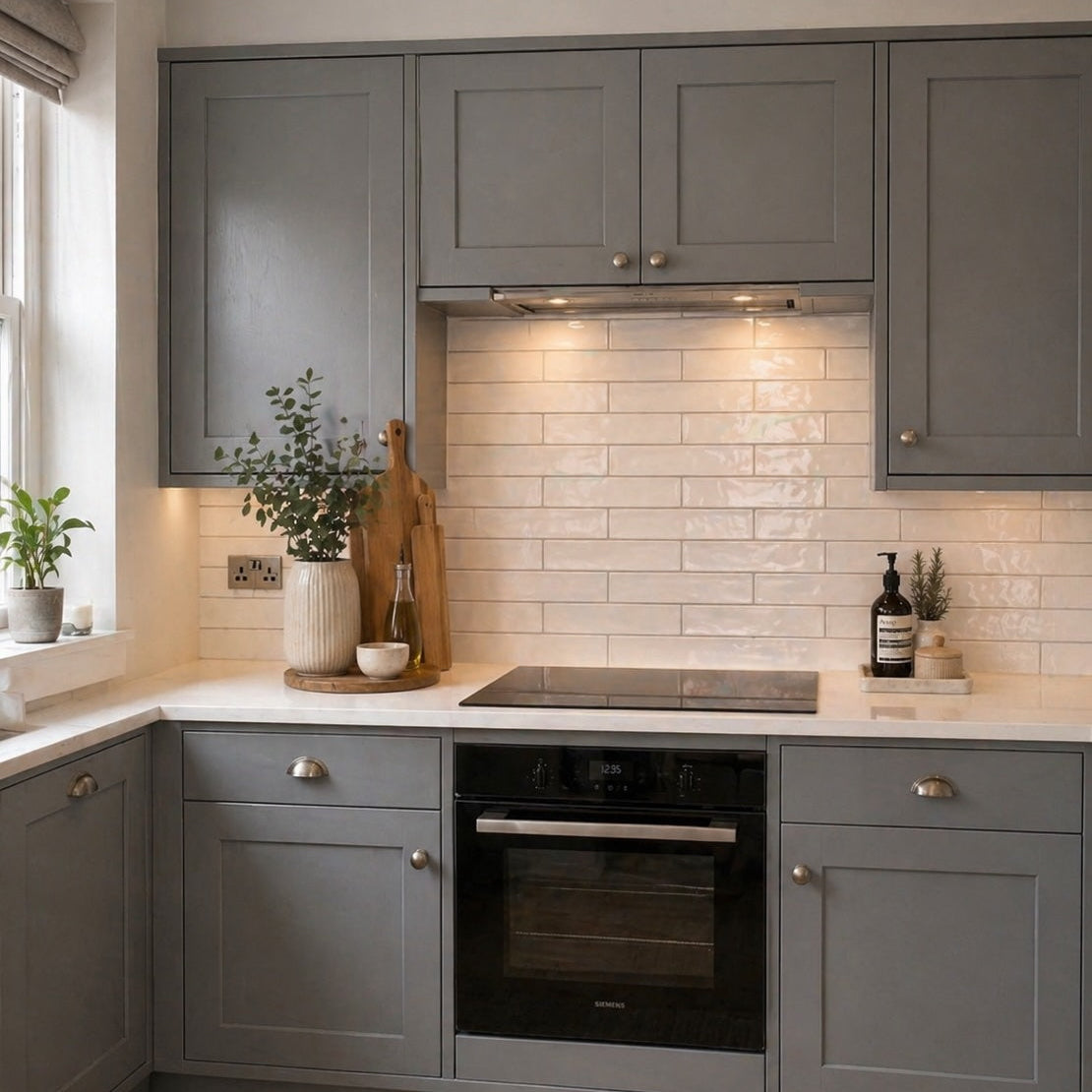
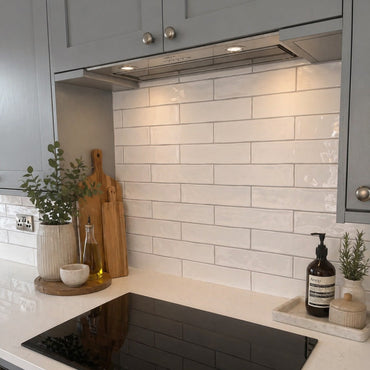
Cotswold White Gloss Handmade Effect Wall Tile 7.5x30cm
There is a timelessness to a white gloss tile that never feels out of place, yet Cotswold Gloss White brings...
£44.99 -
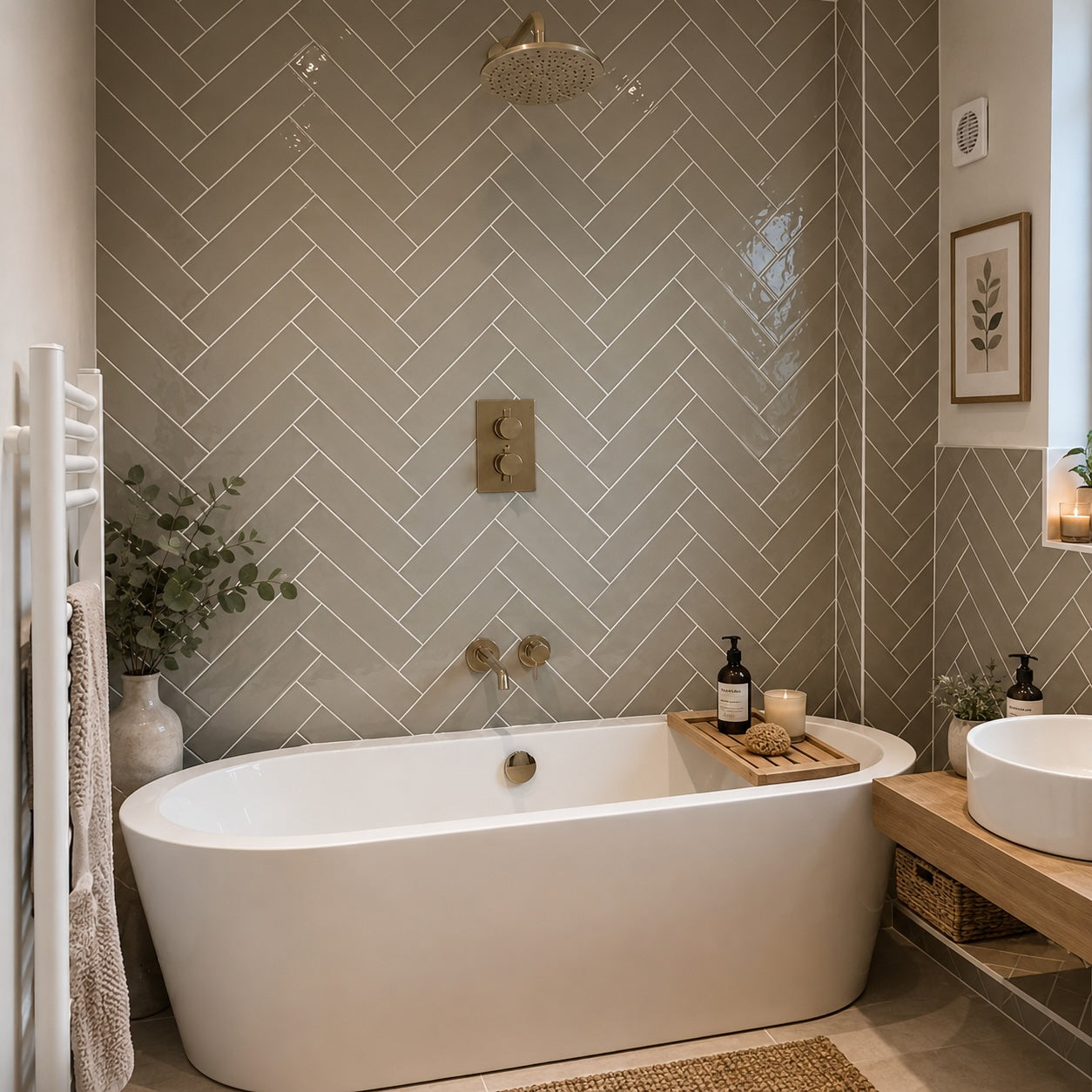
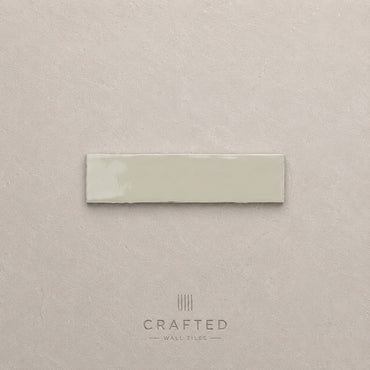
Countrywide Mushroom Handmade Effect Wall Tile 7.5x30cm
Warm taupe tones and softly uneven edges give Countrywide Mushroom a grounded, understated character. The light glaze keeps the surface...
£22.99 -
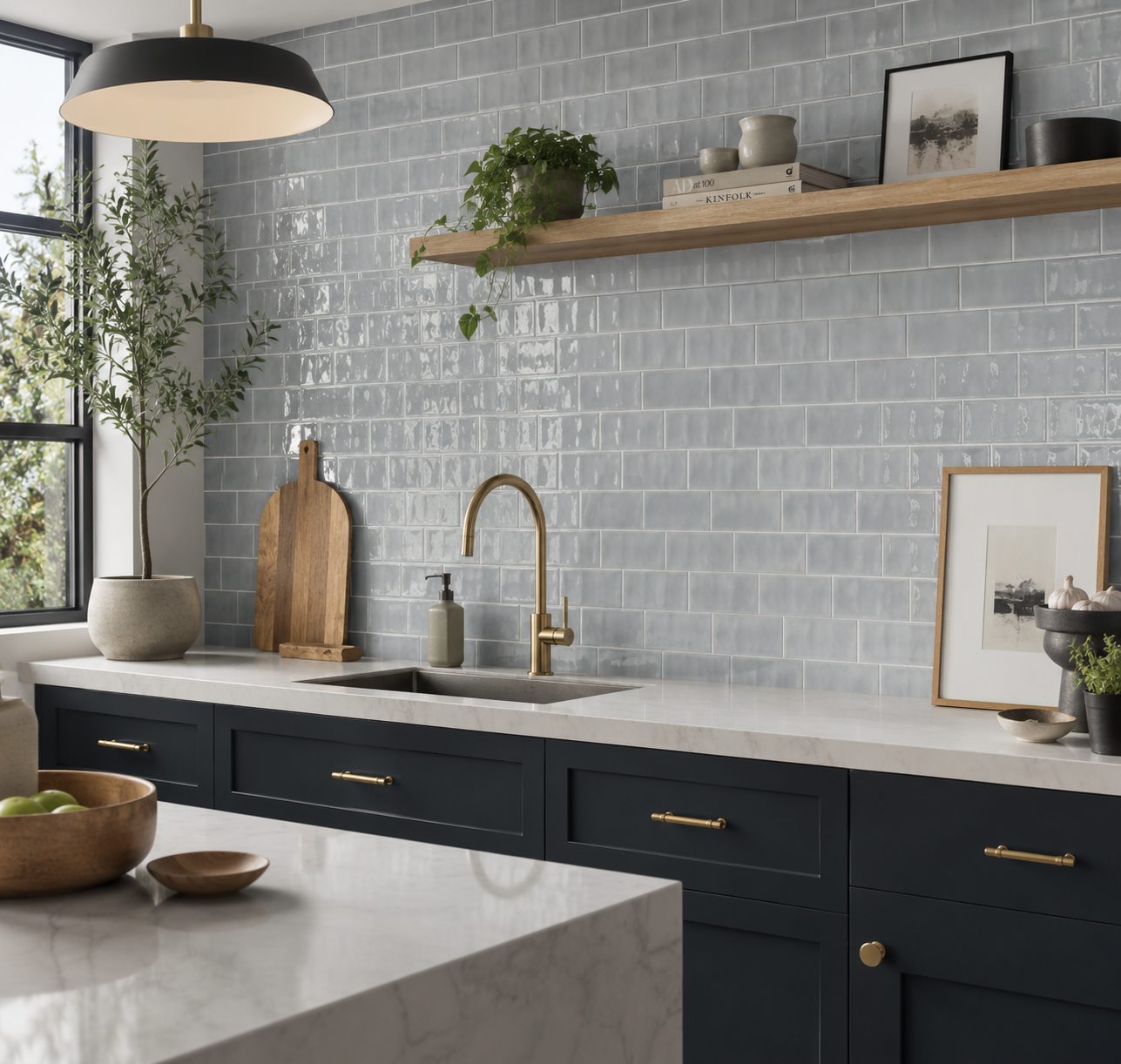
Countrywide Duck Egg Gloss Hand Made Effect Wall Tiles 7.5x15cm
Countrywide Duck Egg Mini Wall Tiles Create a soft backdrop with Countrywide Duck Egg Mini, a charming ceramic wall tile...
£17.99 -
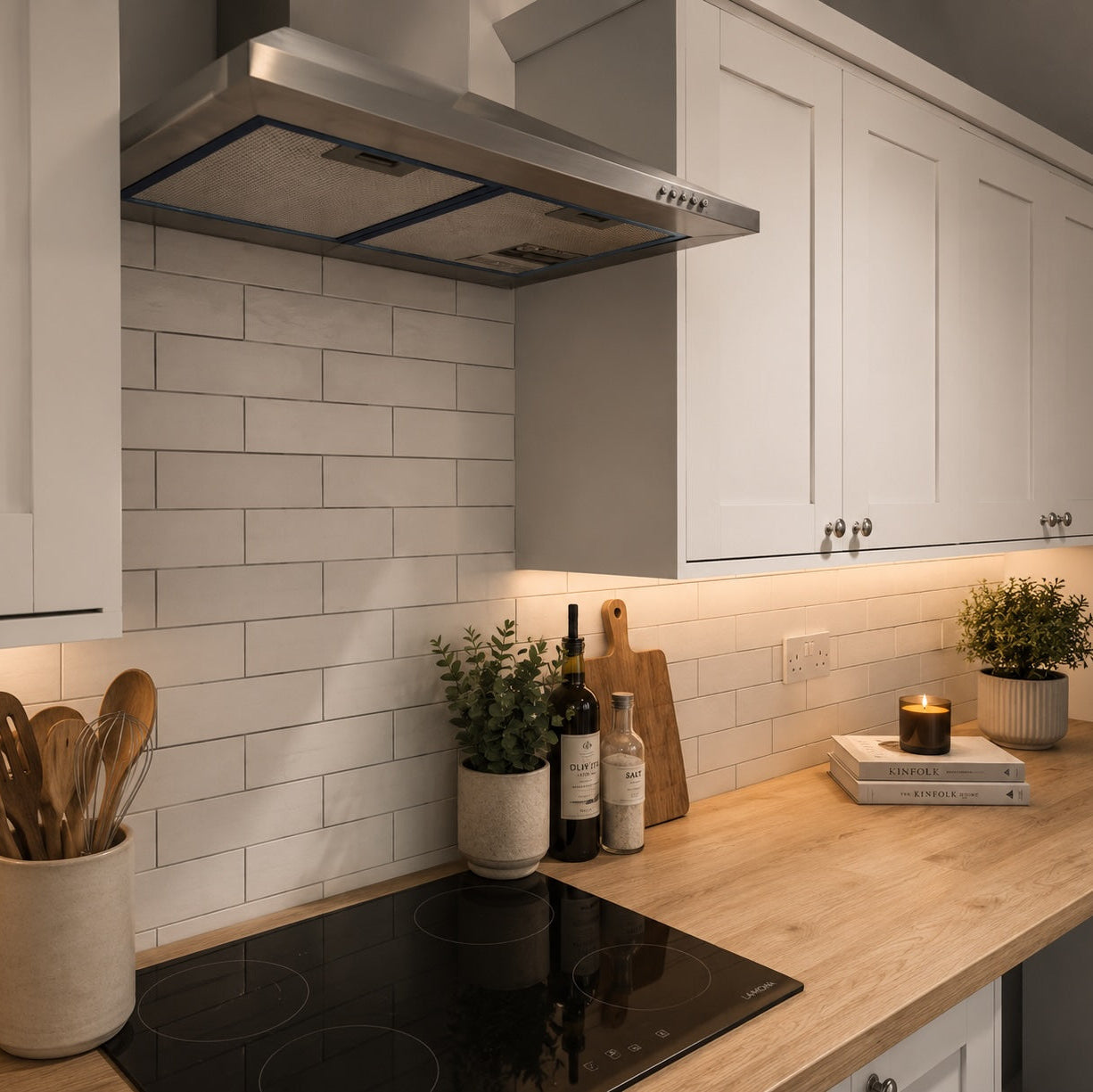
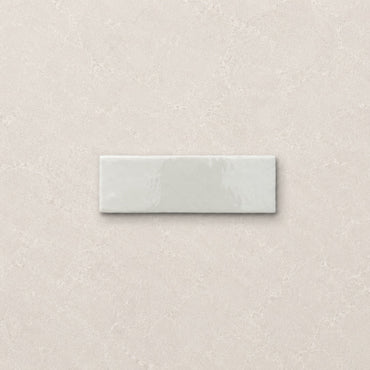
Artesano White Wall Tiles 6.5x20cm
White remains one of the most versatile choices for interior walls, but Artesano White offers something more considered than a...
£46.99 -
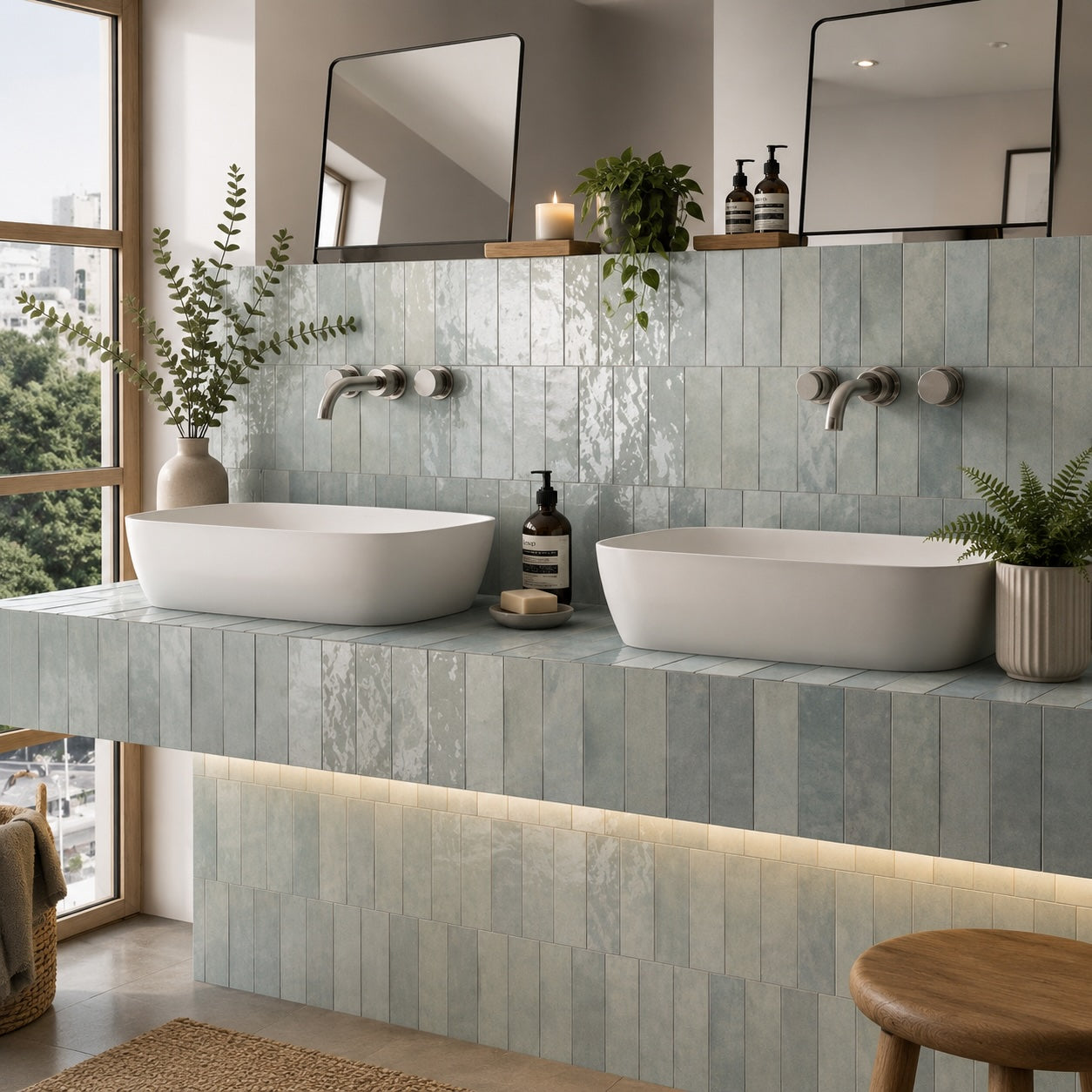
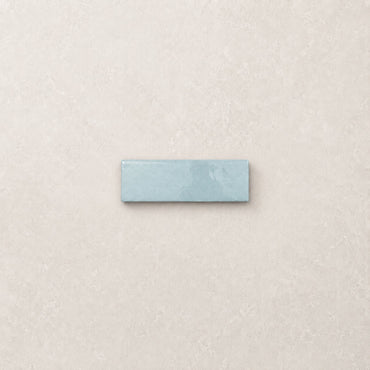
Artesano Aqua Wall Tiles 6.5x20cm
There’s something inherently calming about Aqua. Soft enough to feel timeless yet distinctive enough to bring personality into a space,...
£46.99 -
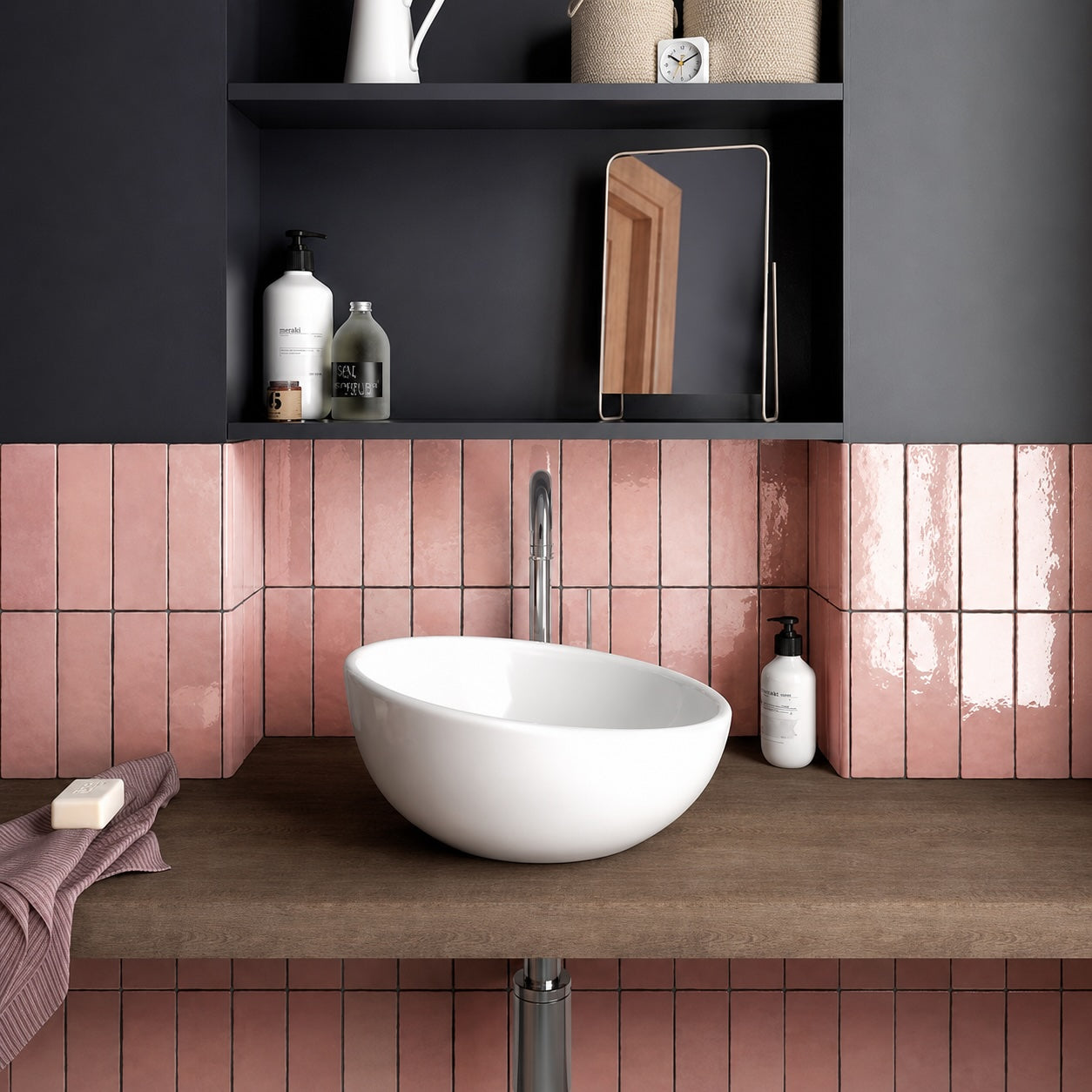
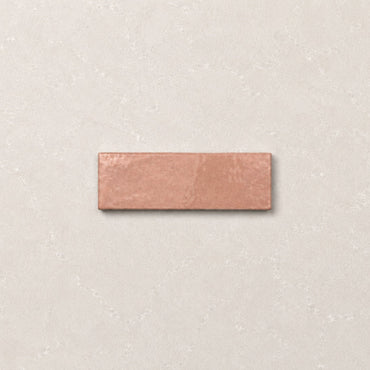
Artesano Rose Wall Tiles 6.5x20cm
Soft, warm and quietly sophisticated, Artesano Rose offers a fresh interpretation of pink for contemporary interiors. Rather than feeling overtly...
£46.99 -
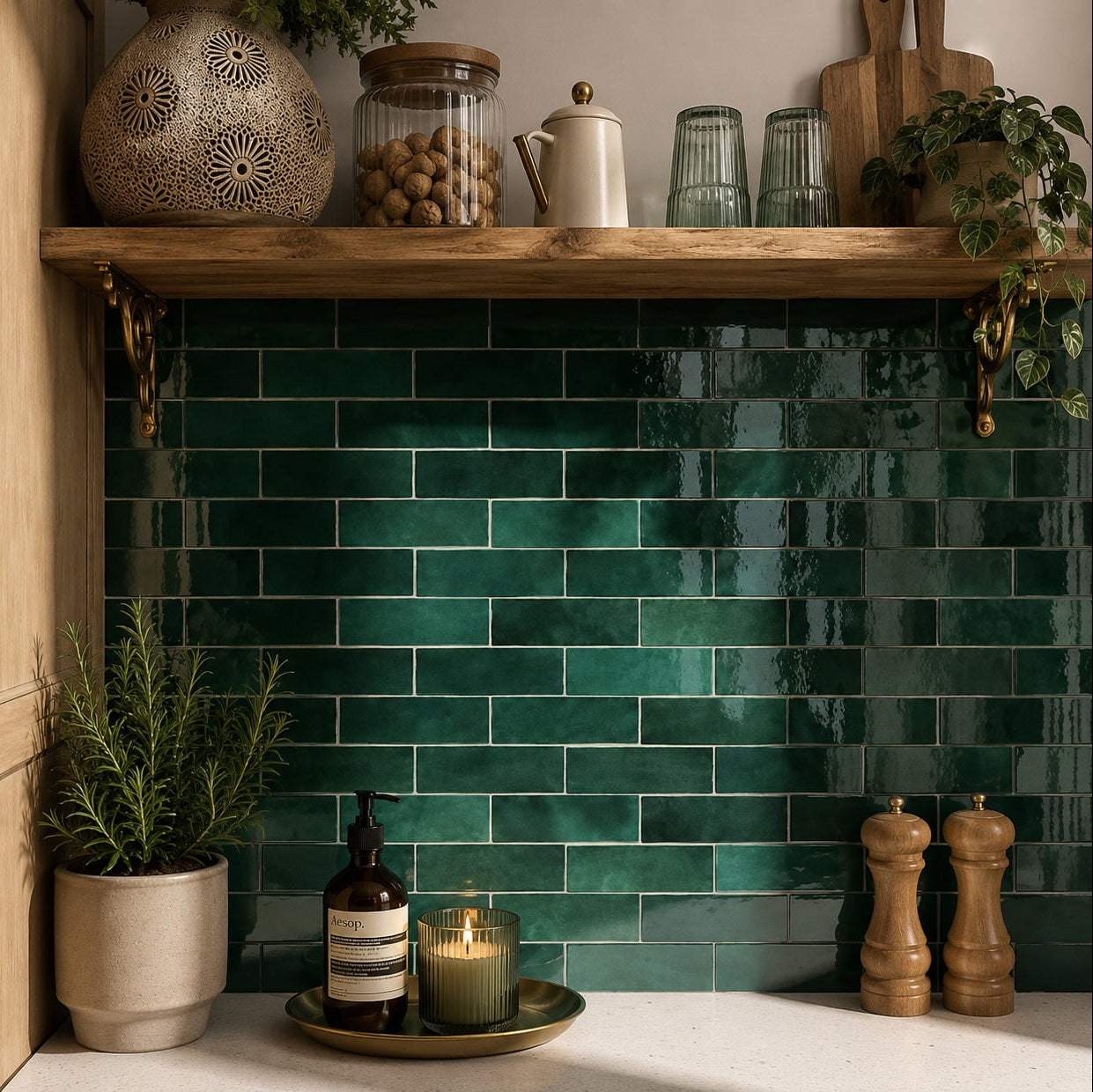
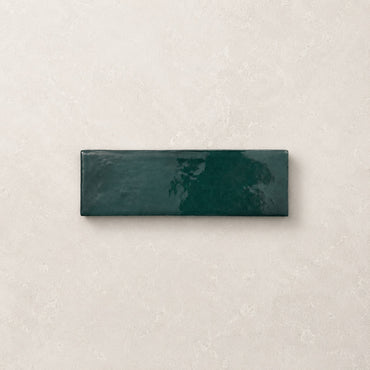
Artesano Green Wall Tiles 6.5x20cm
Inspired by the natural world, Artesano Green feels both restorative and grounding. The rich green tone brings a sense of...
£46.99 -
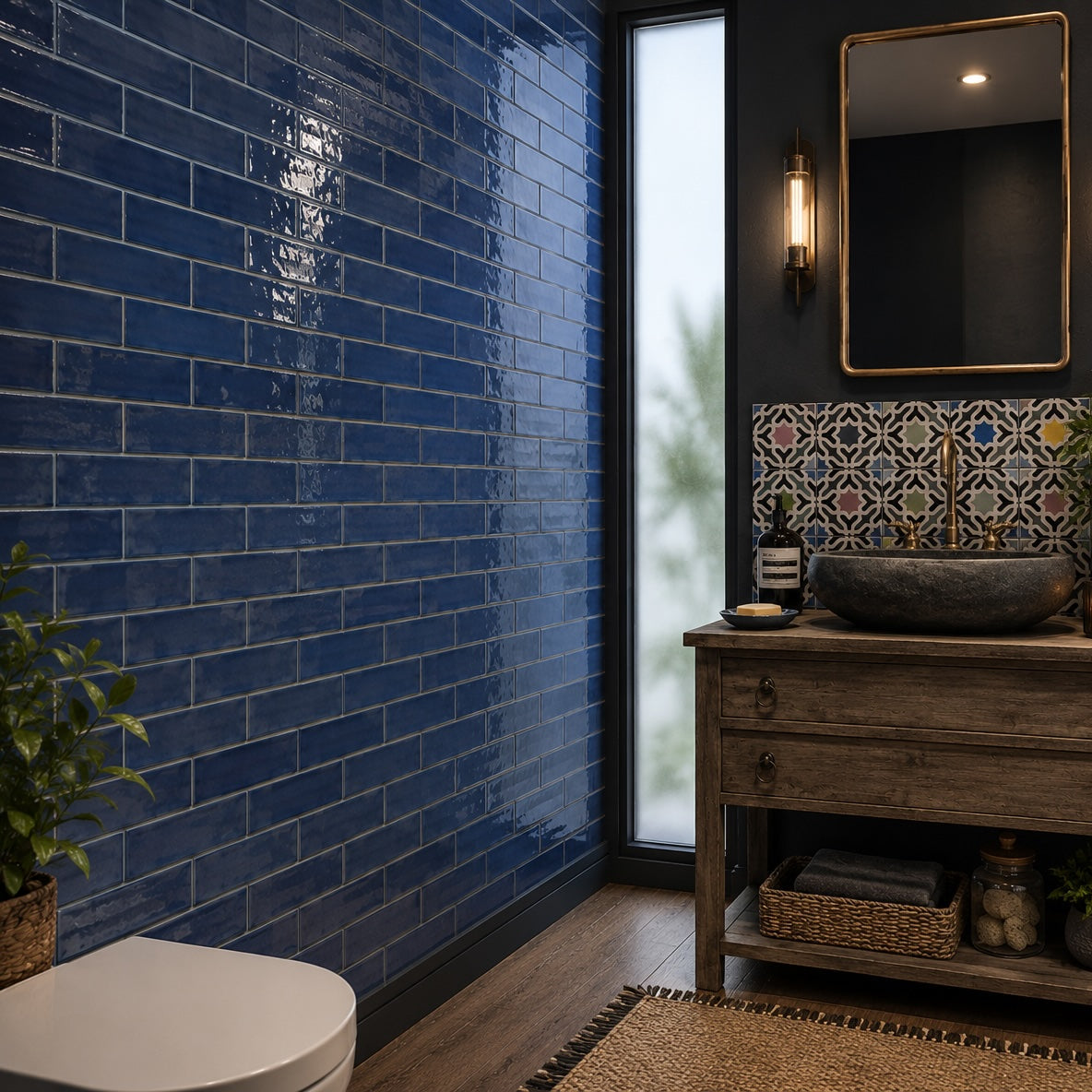
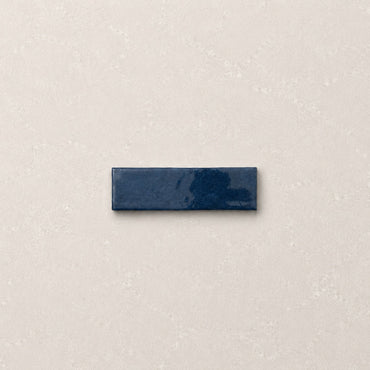
Artesano Blue Wall Tiles 6.5x20cm
Artesano Blue brings a richer, more confident presence to the collection. Deep and expressive without feeling overly formal, it introduces...
£46.99 -
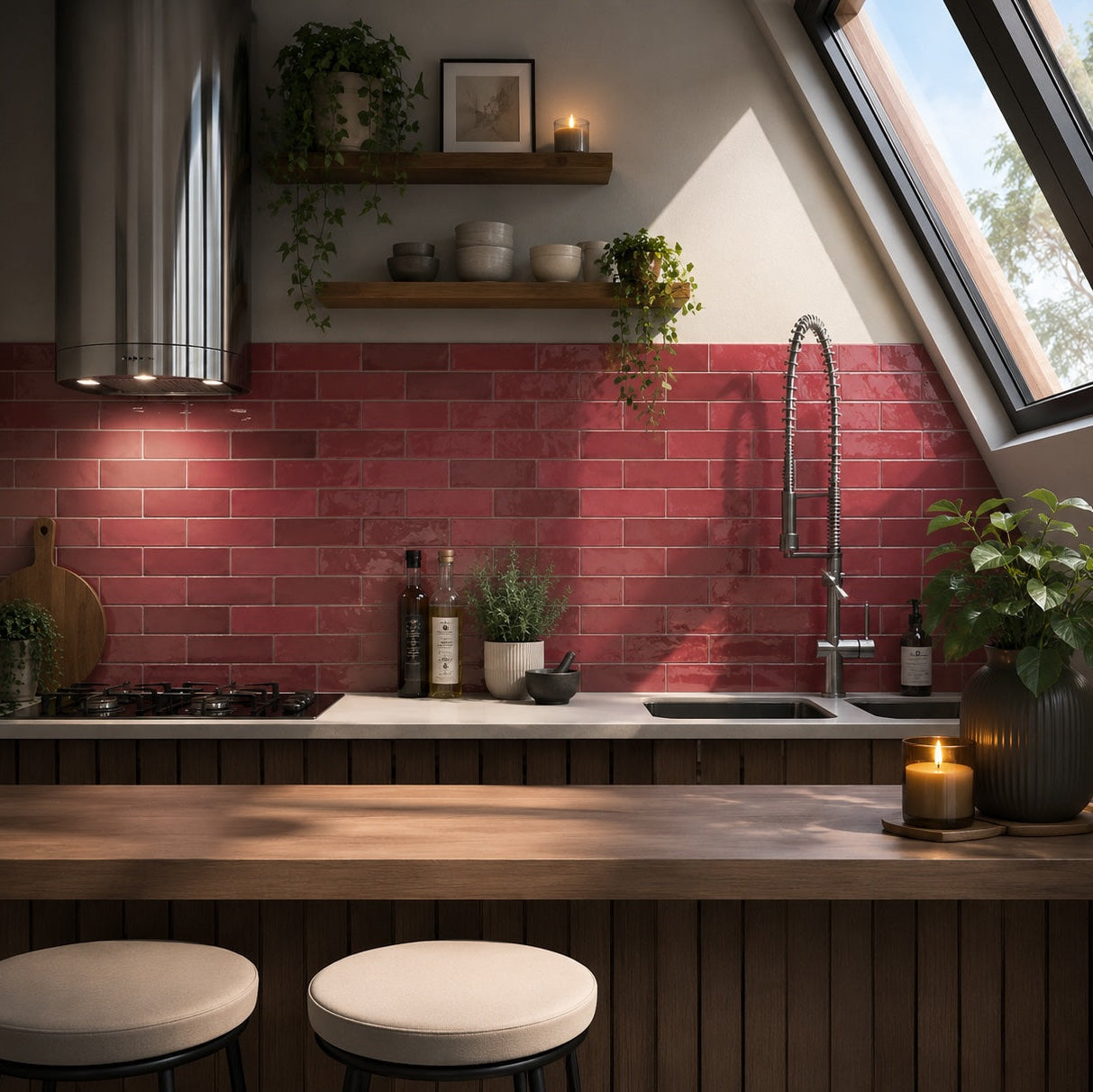
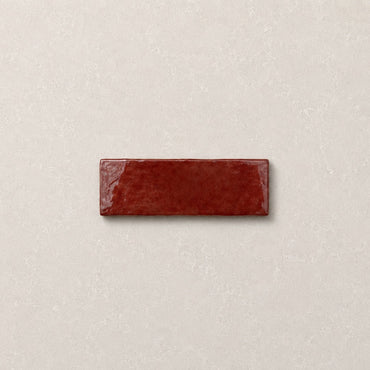
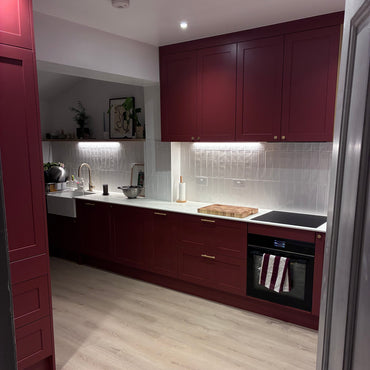
Artesano Burgundy Wall Tiles 6.5x20cm
Bold yet unexpectedly warm, Artesano Burgundy brings a sense of richness and individuality to interior spaces. The deep wine-inspired tone...
£46.99 -
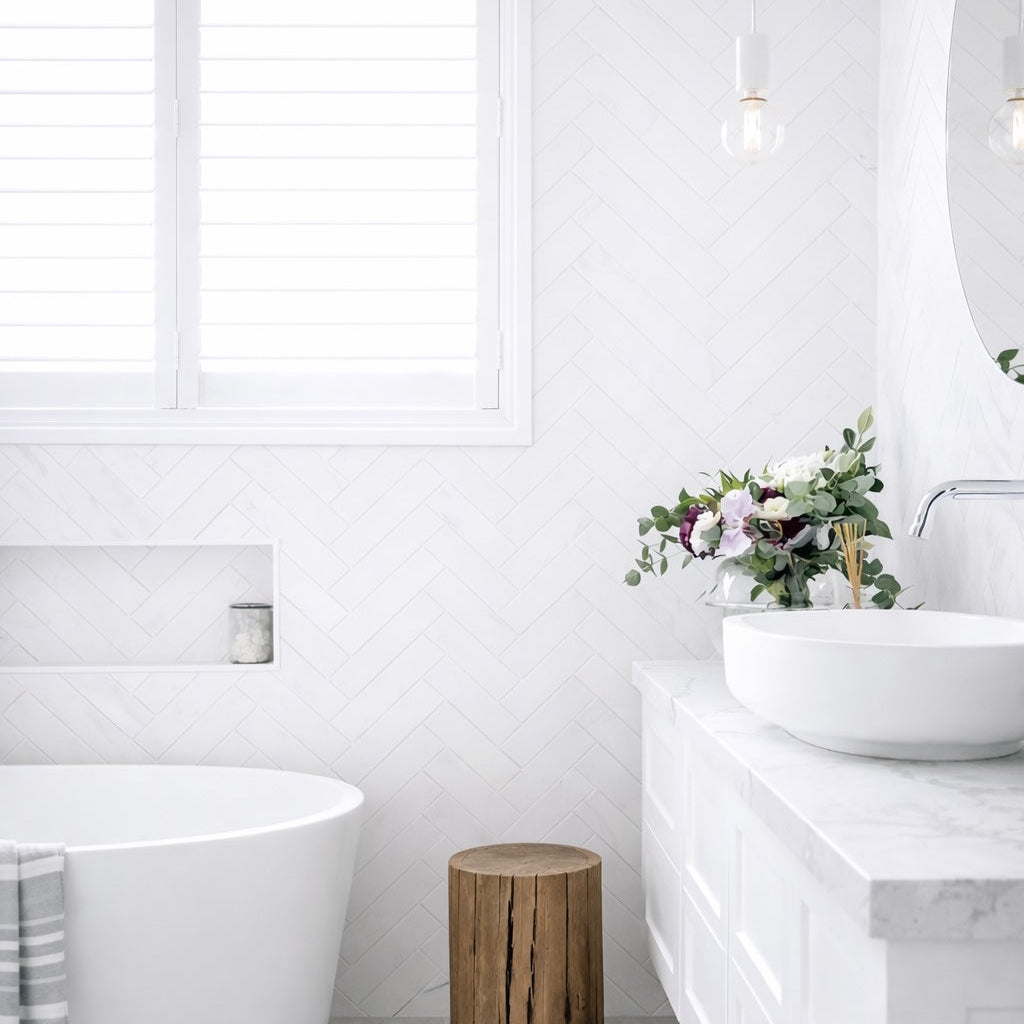
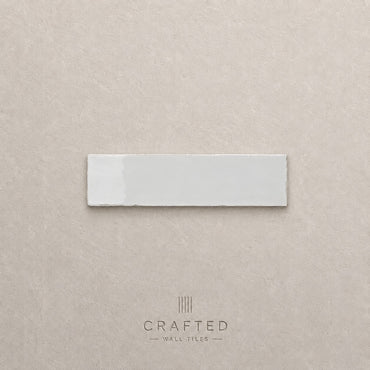
Countrywide White Handmade Effect Wall Tile 7.5x30cm
A classic white ceramic wall tile with softly irregular edges and a gentle glazed surface that gives the collection a...
£22.99 -


Countrywide Sage Handmade Effect Wall Tile 7.5x30cm
Muted sage tones give this collection a softer, more organic feel while the lightly glazed surface keeps the finish understated...
£22.99 -
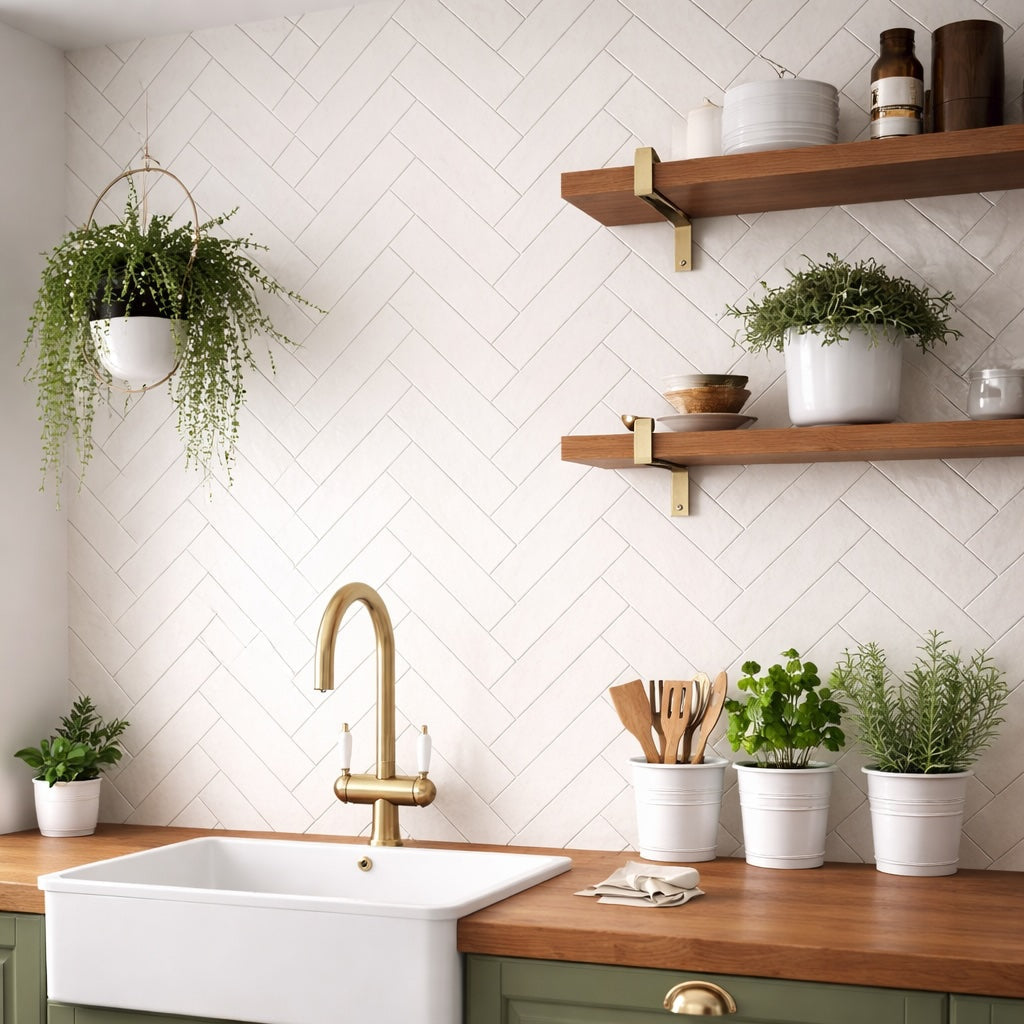
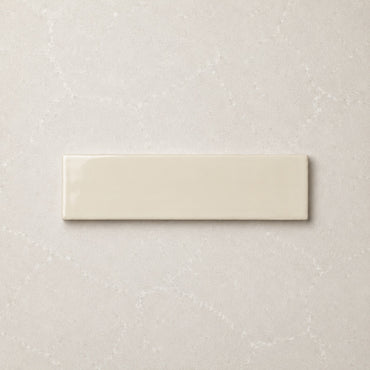
Countrywide Bone Handmade Effect Wall Tile 7.5x30cm
A warm neutral ceramic wall tile with a lightly glazed finish and softly uneven handmade-style edges. Countrywide Bone sits between...
£22.99 -
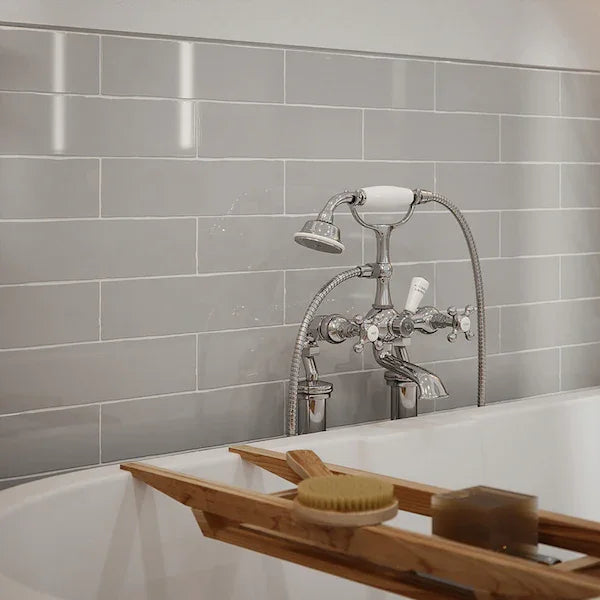
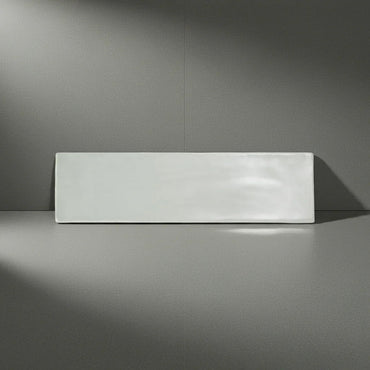
Countrywide Light Grey Handmade Effect Wall Tile 7.5x30cm
Countrywide Light Grey offers a softer, more understated approach to grey wall tiles. The smooth glazed surface and gently irregular...
£22.99 -
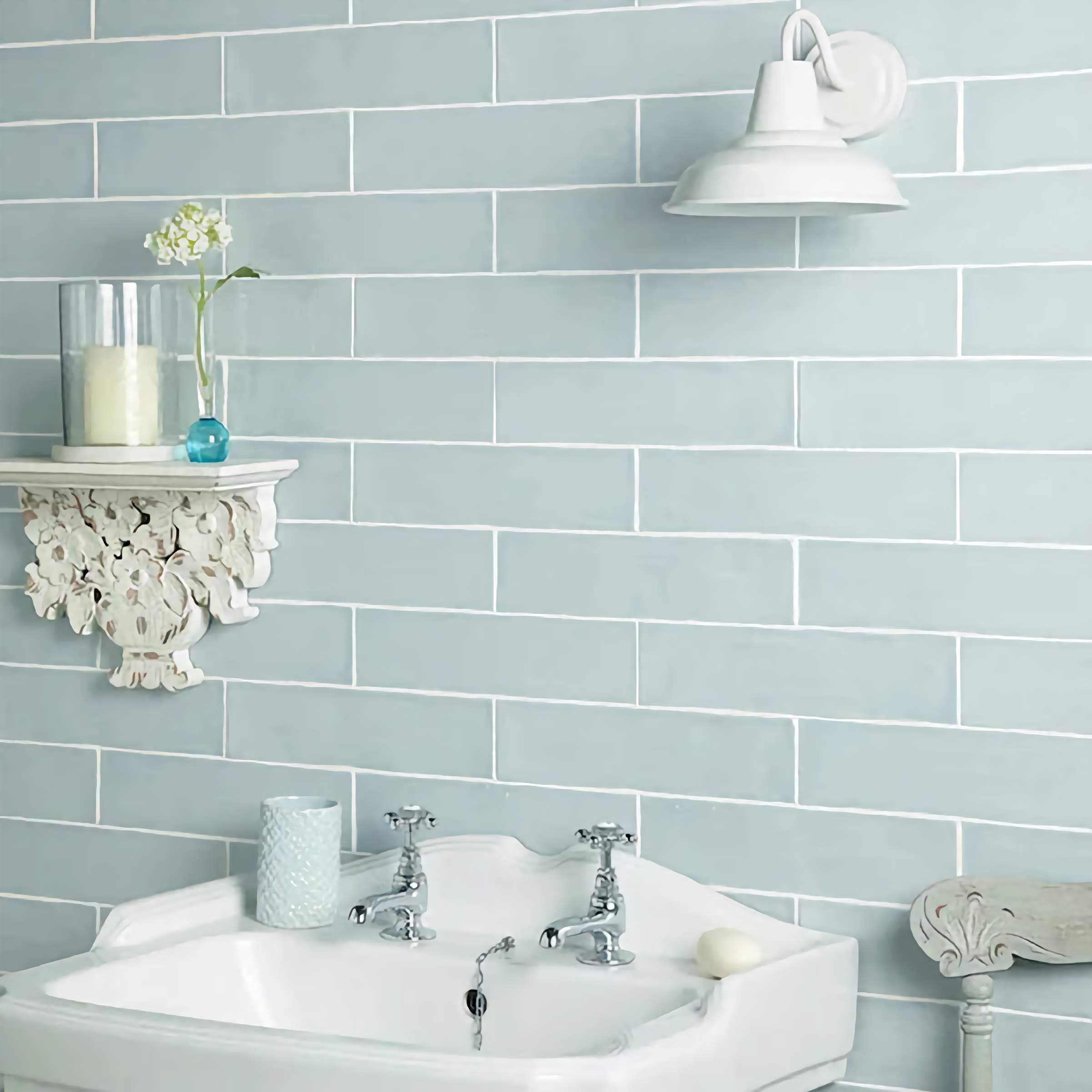
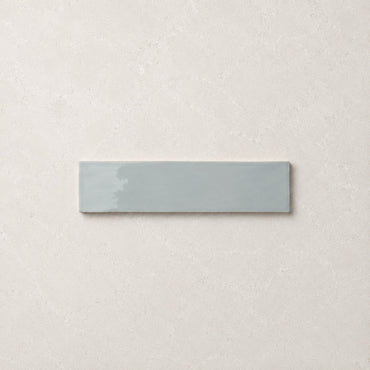
Countrywide Duck Egg Handmade Effect Wall Tile 7.5x30cm
A duck egg blue wall tile with a lightly glazed surface and subtle handmade detailing around the edges. The muted...
£22.99 -
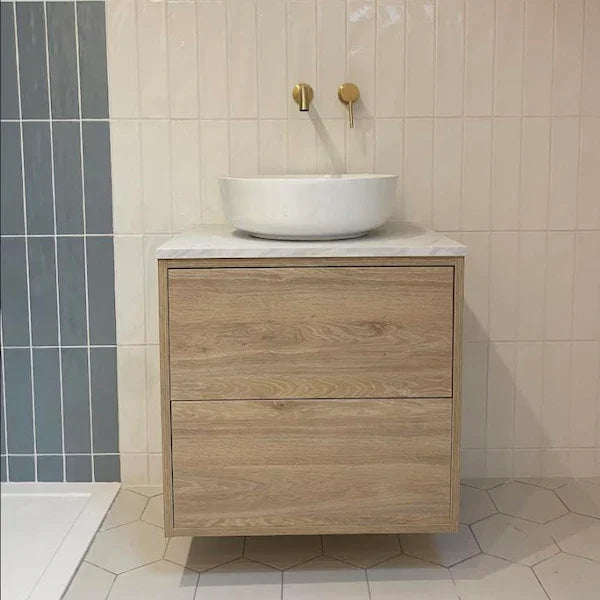
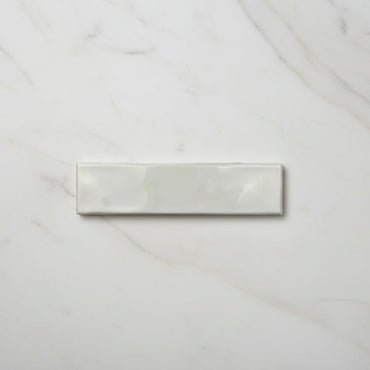
Handmade White Ripple Gloss Wall Tile 7.5x30cm
A crisp white ceramic wall tile with a softly textured ripple surface and handcrafted-style finish. The gloss glaze reflects light...
£19.99 -
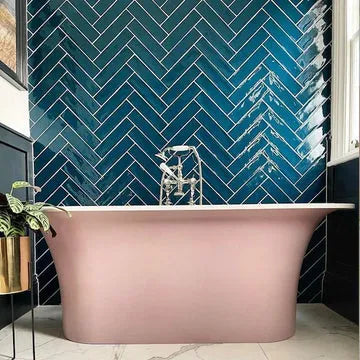
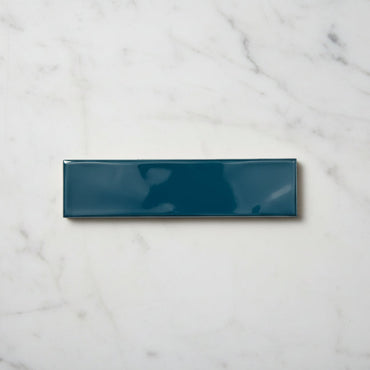
Handmade Turquoise Ripple Gloss Wall Tile 7.5x30cm
Rich turquoise tones and a gently rippled surface give Handmade Turquoise a more expressive artisan feel. The gloss finish enhances...
£19.99 -
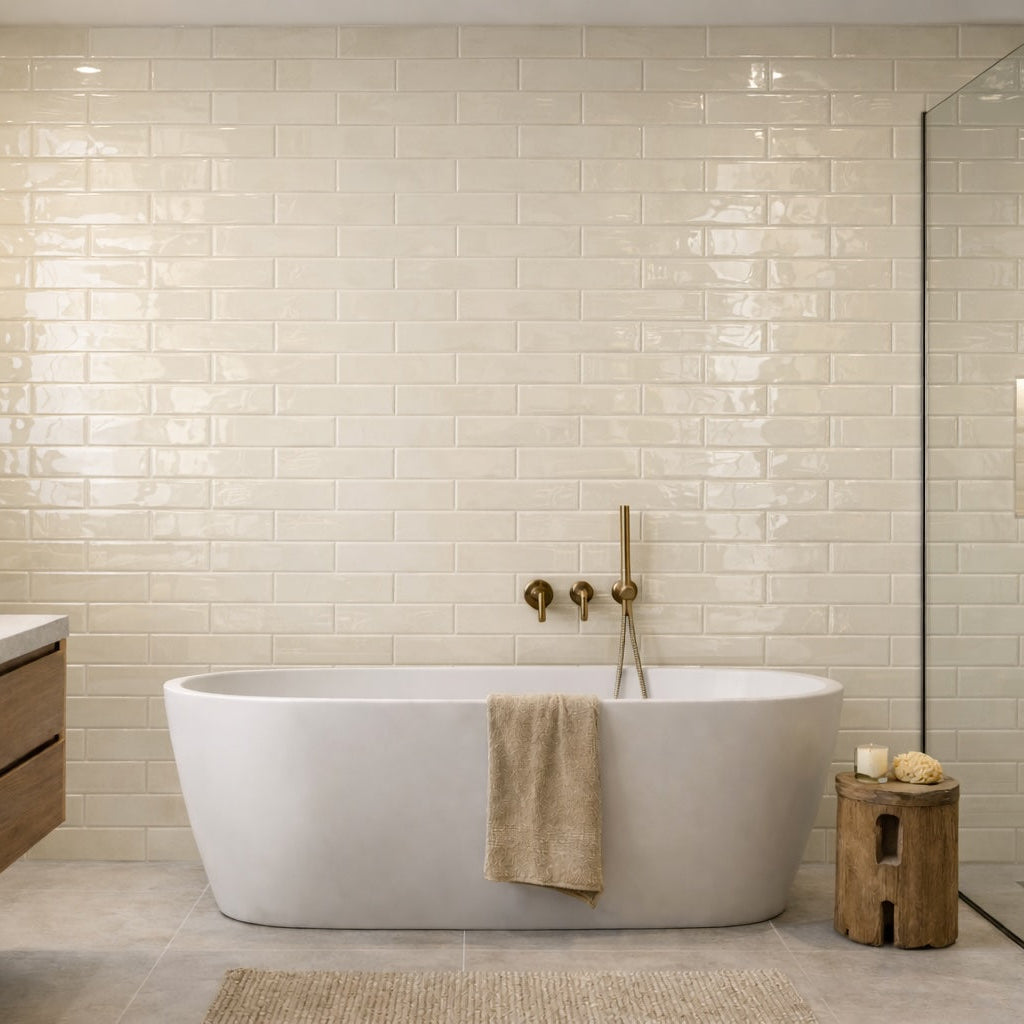
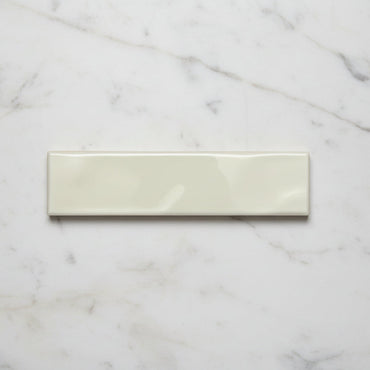
Handmade Sand Ripple Gloss Wall Tile 7.5x30cm
Handmade Sand combines warm neutral tones with a softly undulating gloss surface inspired by handcrafted ceramics and natural mineral textures....
£19.99 -
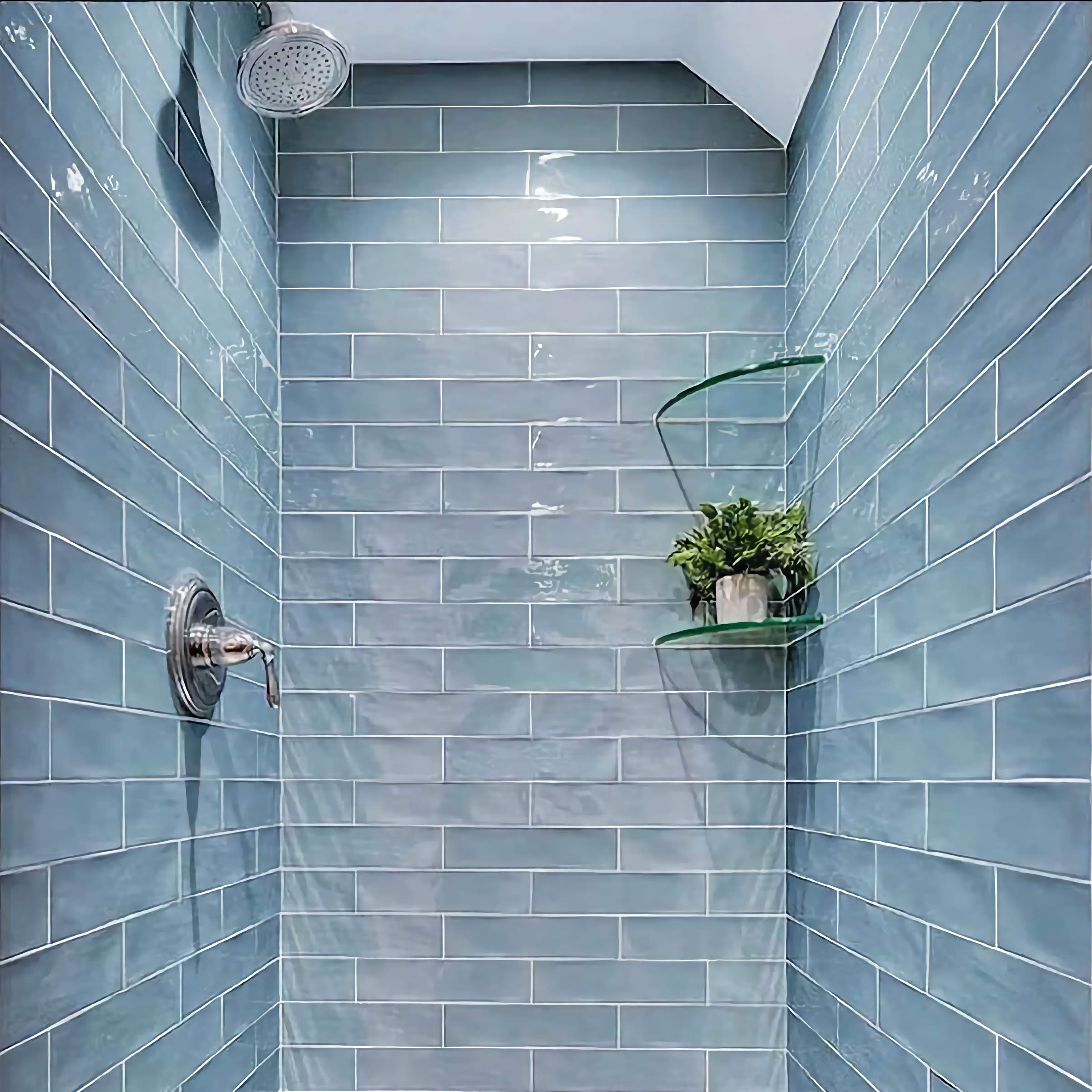
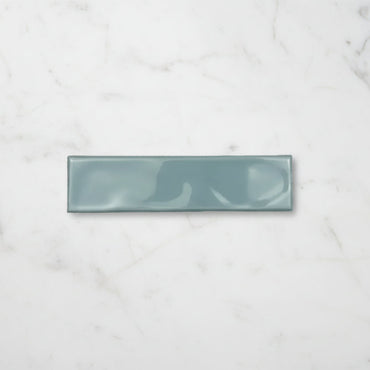
Handmade Aqua Ripple Gloss Wall Tile 7.5x30cm
A softened aqua wall tile with a gently rippled gloss surface that creates movement and variation across the wall. The...
£19.99 -
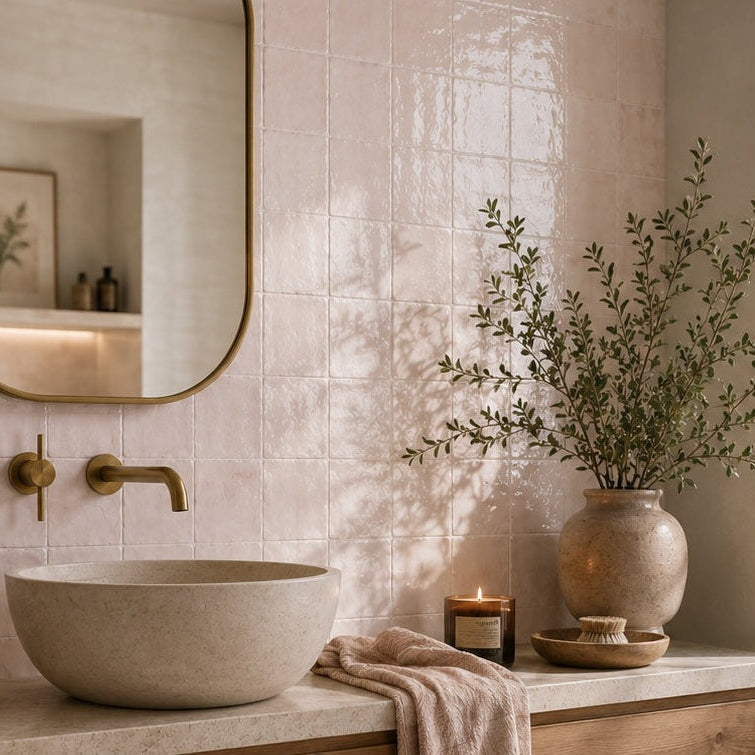
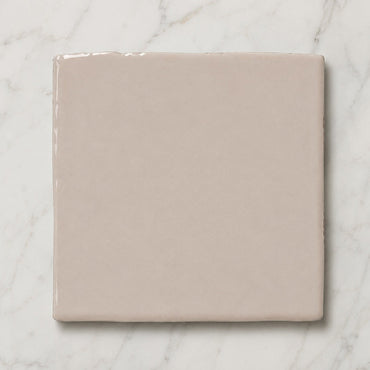
Zellige Pink Blush Wall Tiles 13x13cm
Soft blush tones and handcrafted detailing give Zellige Pink a warm, relaxed character. The gloss finish enhances the depth of...
£31.99 -
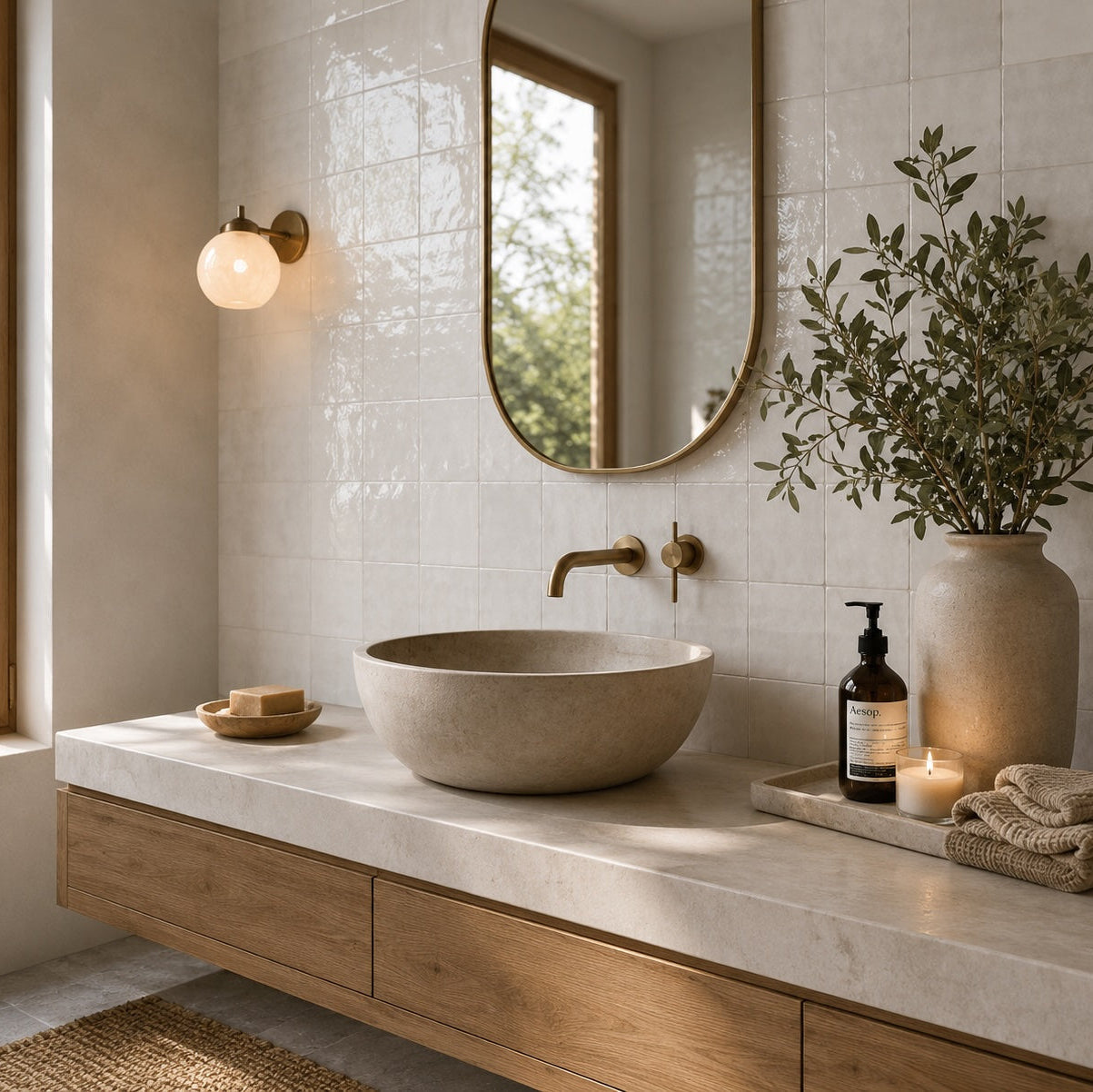
Zellige Pearl White Wall Tiles 13x13cm
A timeless white wall tile with softly irregular handmade edges and a glossy glazed finish. Simple in colour yet rich...
£31.99 -
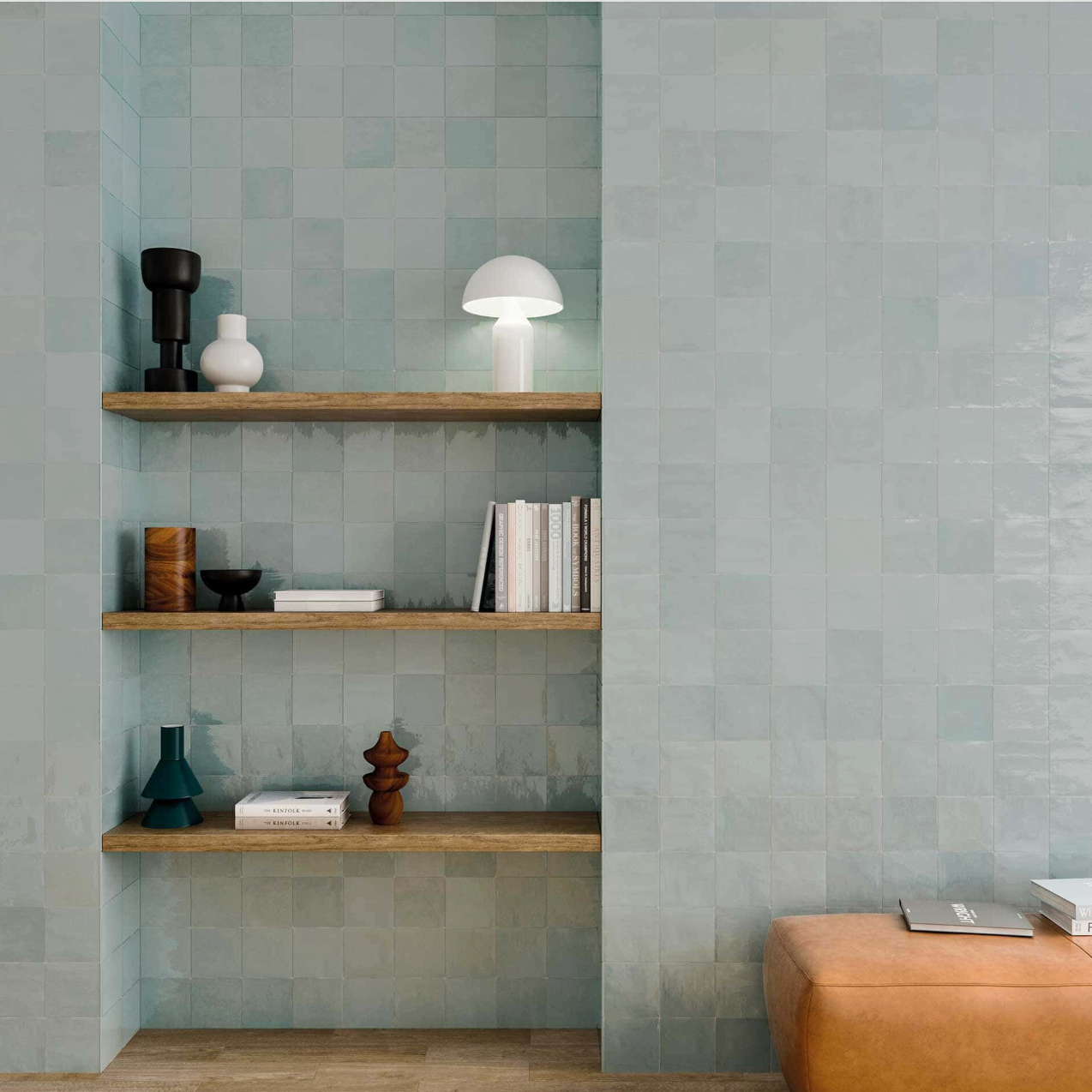
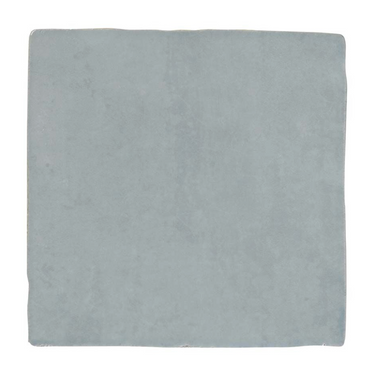
Zellige Light Blue Wall Tiles 13x13cm
A gentle blue wall tile inspired by coastal tones and traditional handcrafted ceramics. The glossy surface introduces depth and light,...
£31.99


What actually creates the handmade look?
Why a little irregularity can make a room feel better
Light is part of the finish
Make the imperfection the detail