Skip to content
Code CRFTD15 for £15 off
Free Shipping on Orders over £399.

Collection: Oasis

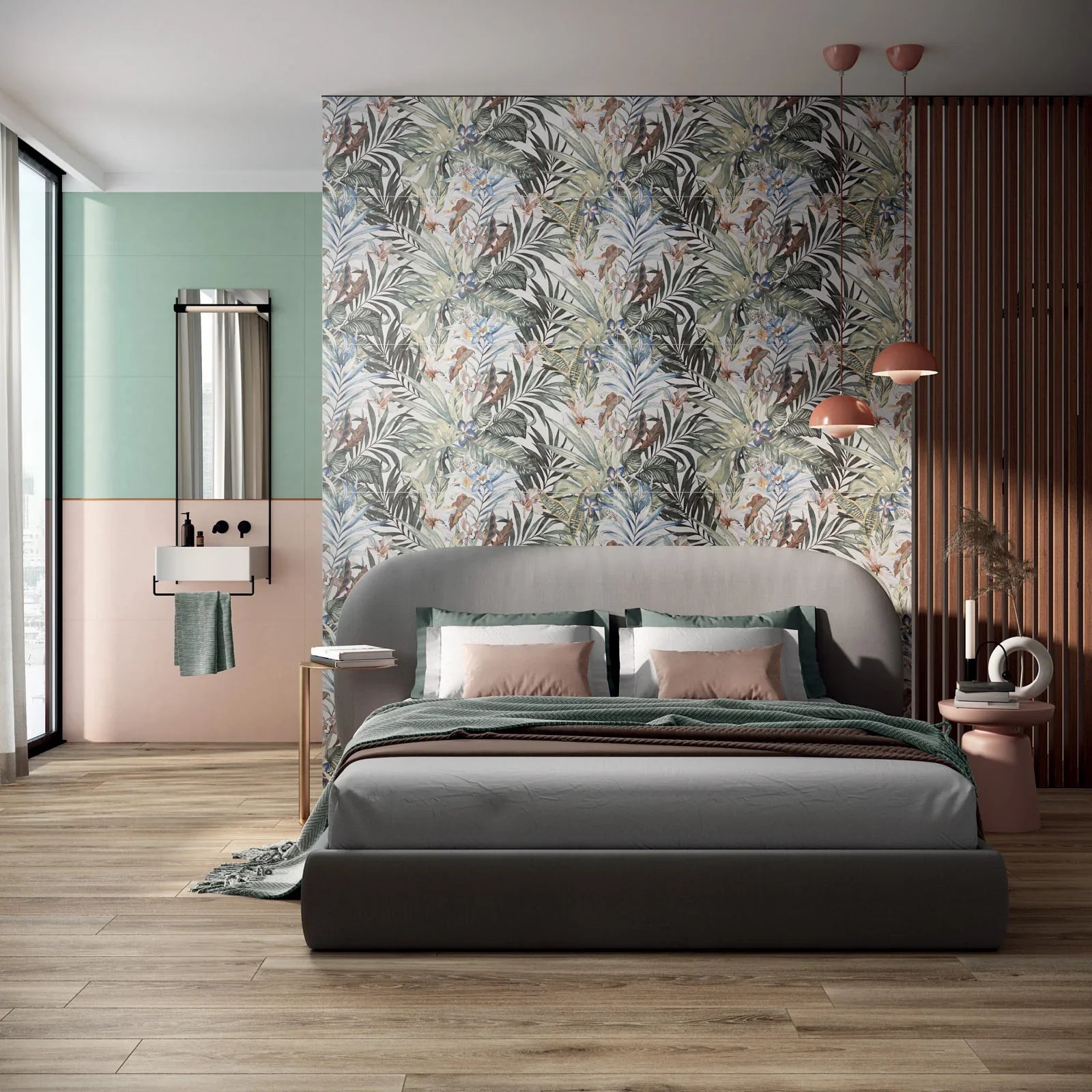
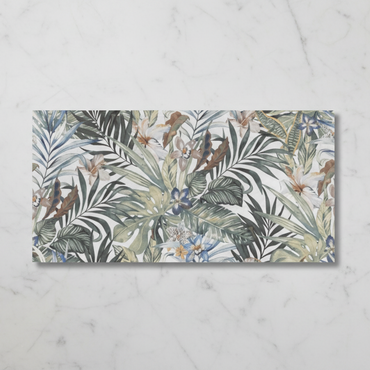
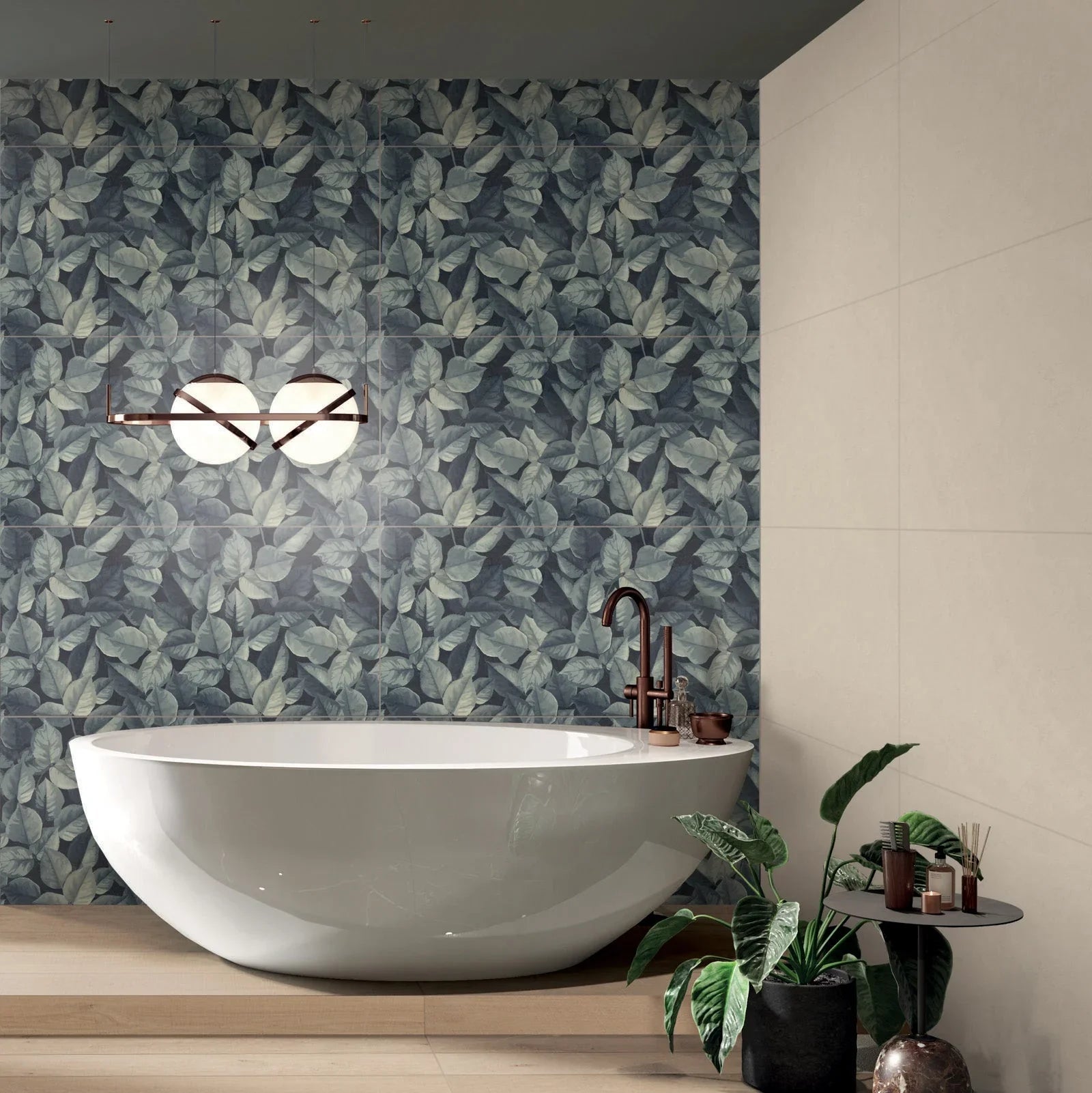
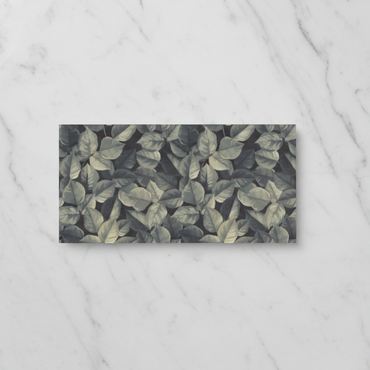
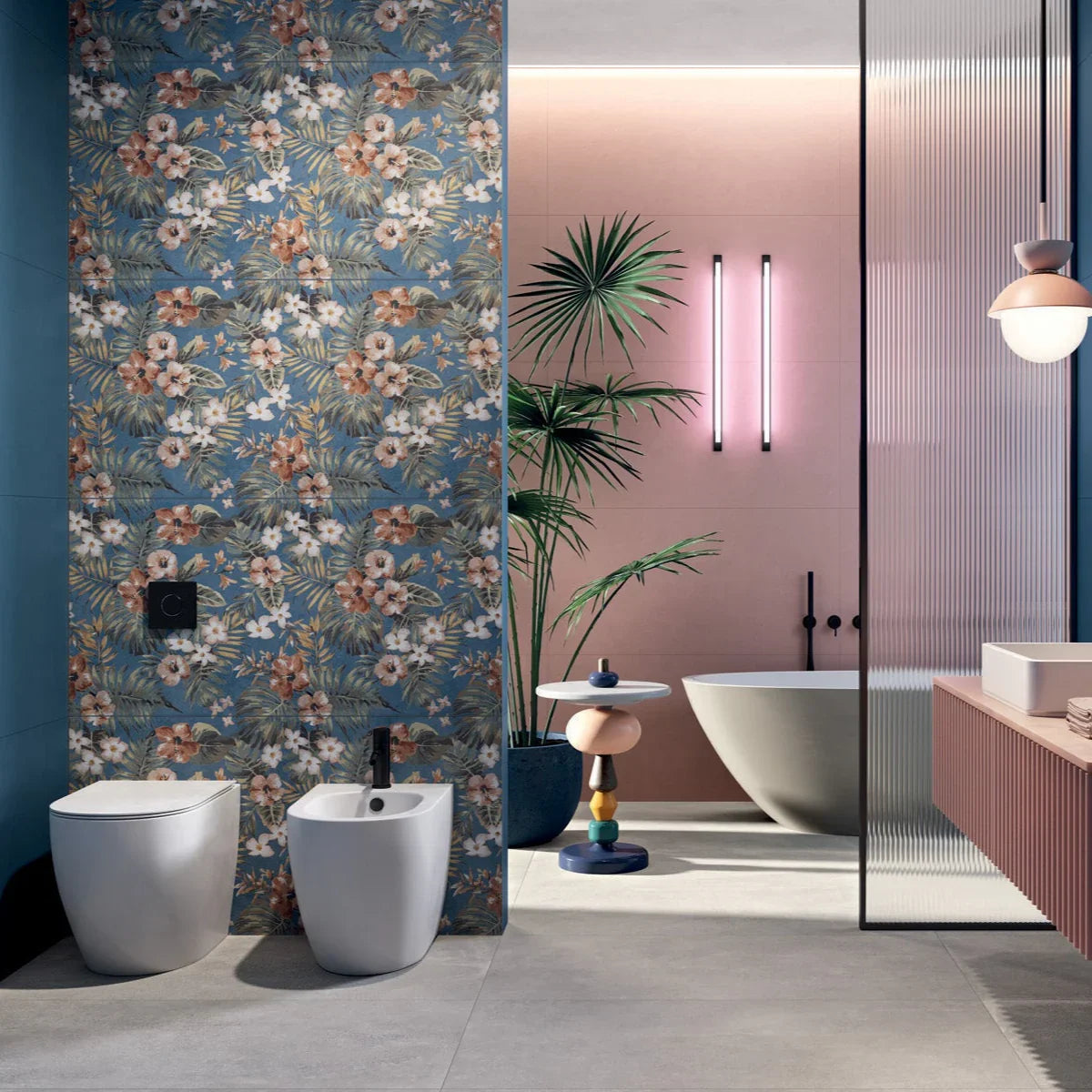
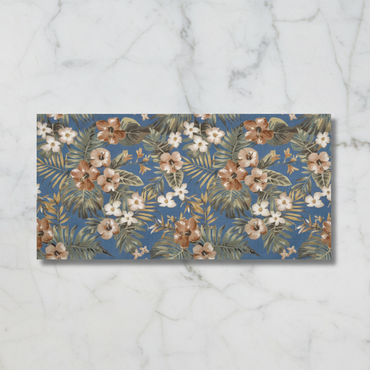
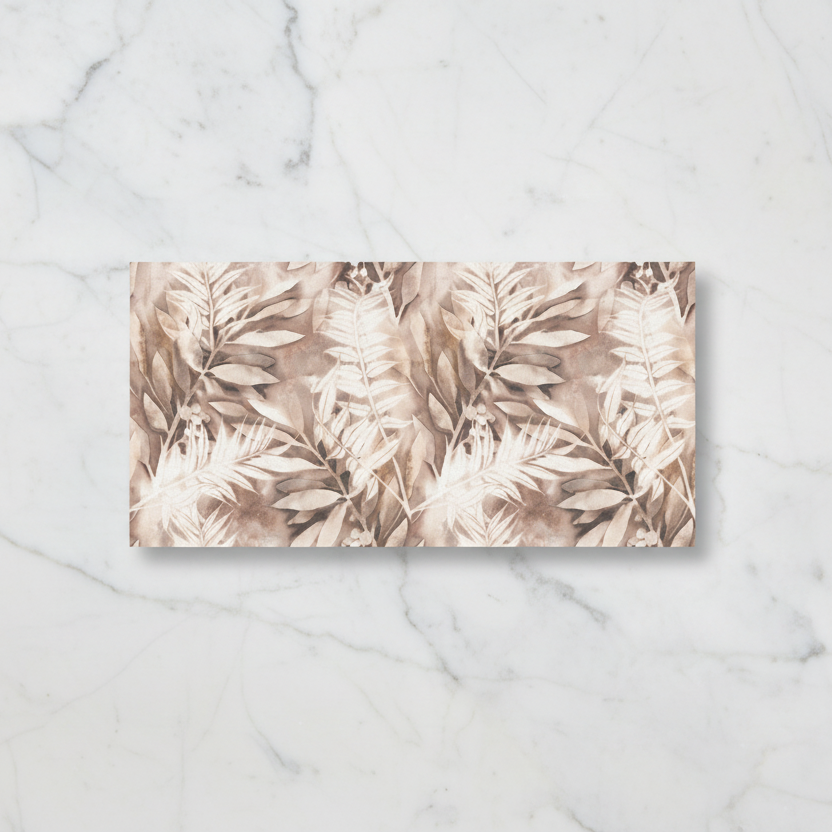
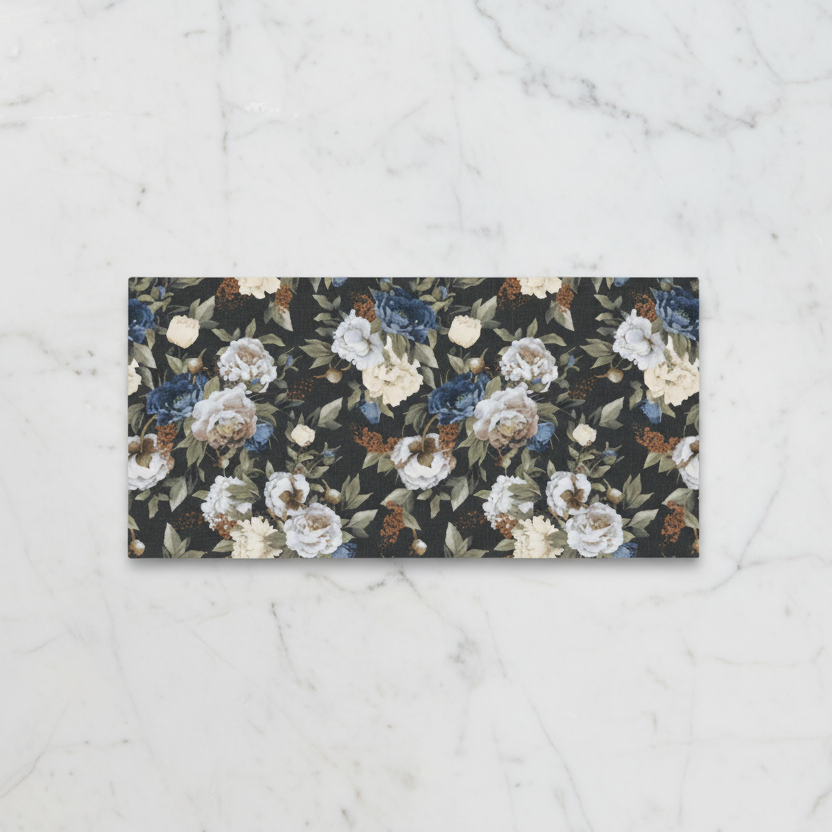
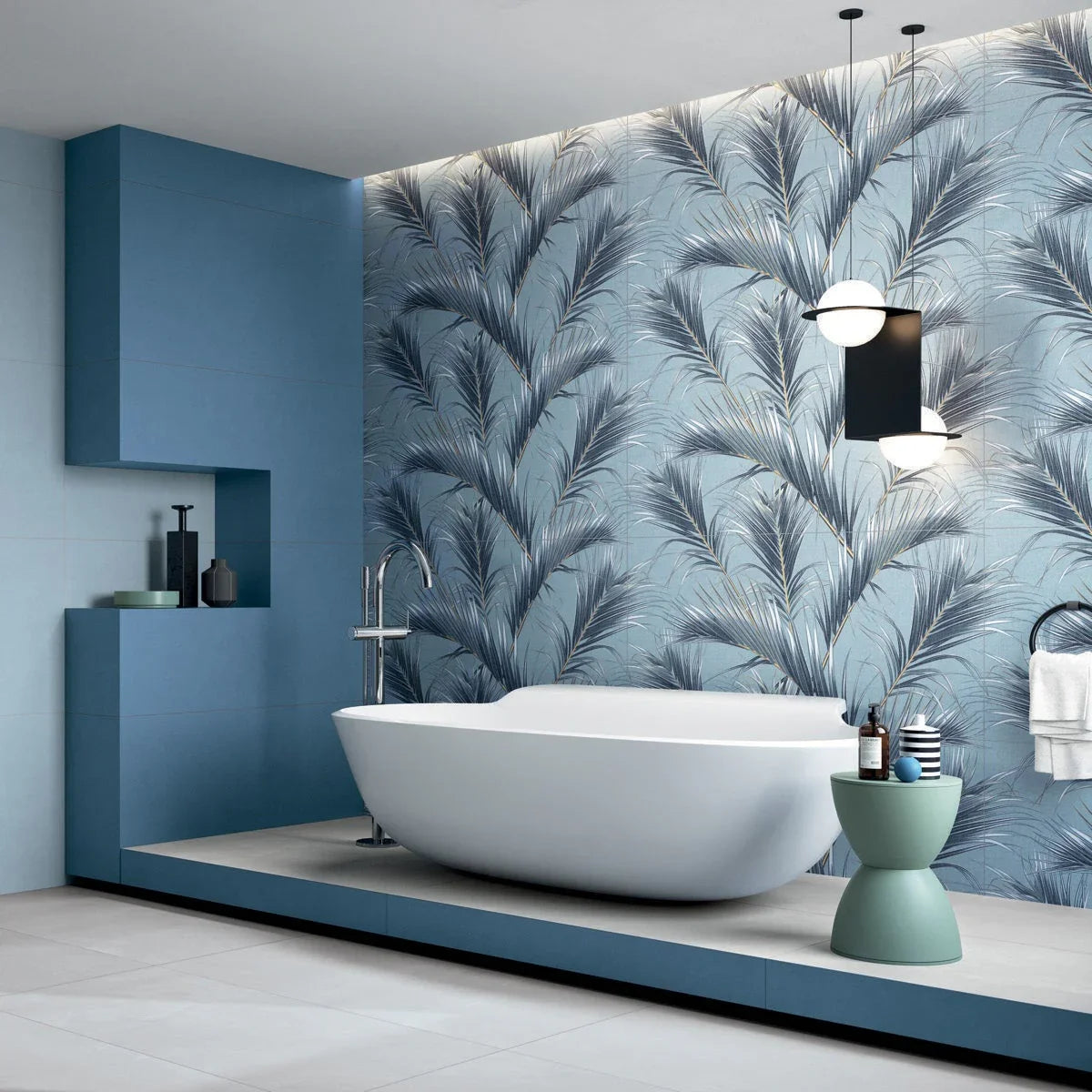
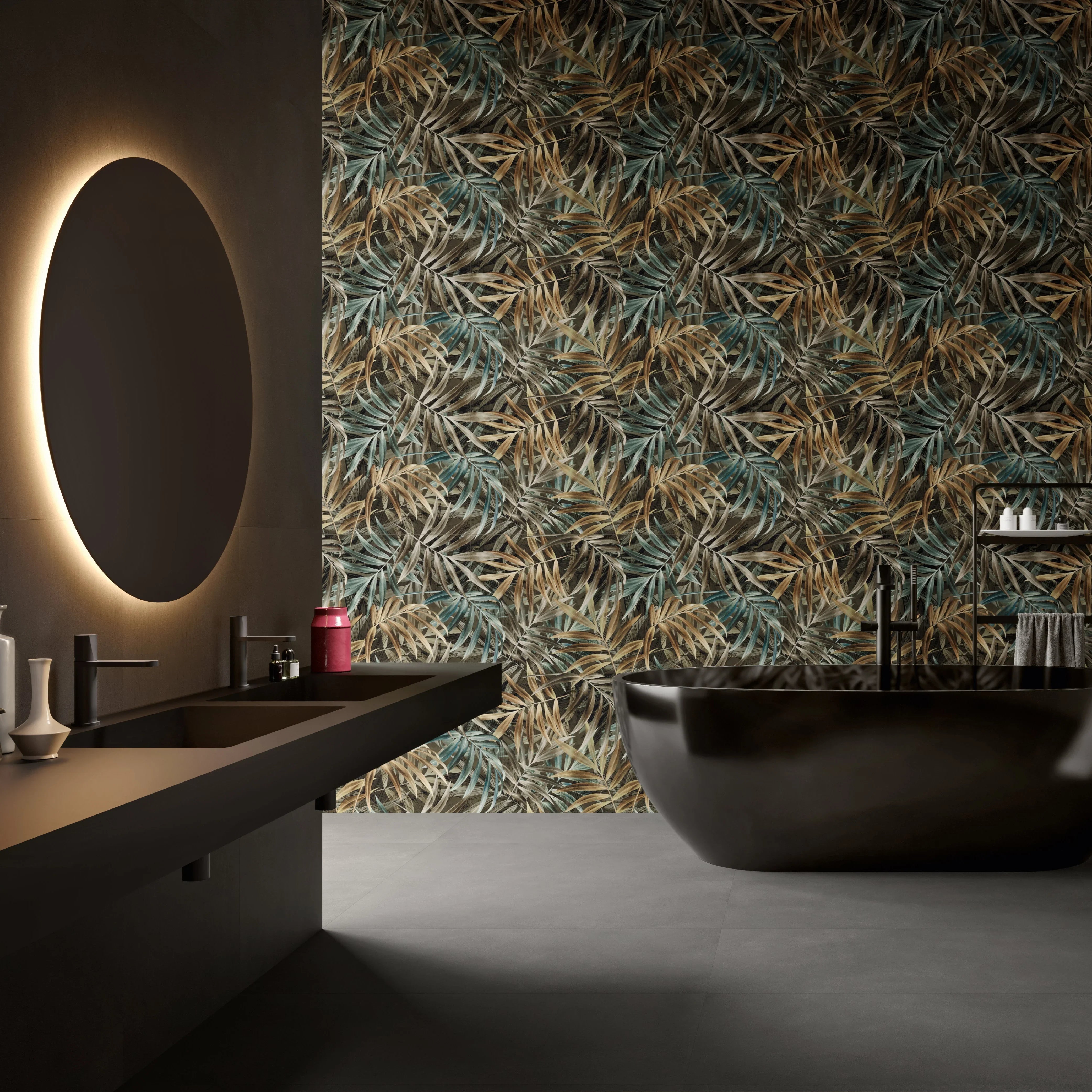
Oasis is for when you want the wall to become part of the room's personality. Its decorative botanical designs bring the feel of patterned wallpaper to a durable porcelain tile, with large panels that allow the artwork to make an impression without being broken up by lots of grout lines. From leafy jungle scenes to softer florals, Oasis gives you plenty of scope to create a wall that feels deliberately bold.

7 products

With a decorative tile, the question isn't really whether the pattern is "too much" - it's what else you're asking the eye to look at. Oasis already provides a strong visual focal point, so it tends to work best when the surrounding finishes are allowed to be quieter.

That doesn't mean everything needs to be plain. A beautifully veined worktop, coloured cabinetry or interesting brassware can still work alongside it, provided they aren't introducing another equally dominant pattern.

Oasis can be particularly effective when used on one defining wall rather than automatically covering every available surface. Behind a bath, vanity or basin, for example, the pattern has a clear architectural purpose. In a larger room, extending it across a full wall can create a much more immersive effect.

The easiest way to build a scheme around Oasis is to take colour from the tile rather than trying to match the pattern.

Look at the quieter tones within the design as well as the obvious greens, blues or florals. Those secondary colours can guide your choice of paint, cabinetry, towels or accessories without making the room feel as though everything has been deliberately coordinated.

You can also use contrast to make the pattern feel more contemporary. Simple sanitaryware, clean-lined furniture and restrained metal finishes give the decorative wall a sharper setting, while timber and natural materials can pull out its more organic qualities.

One thing I'd avoid is adding another large-scale pattern directly beside it. The botanical design already provides movement; giving it some visual breathing room usually makes it feel more considered.

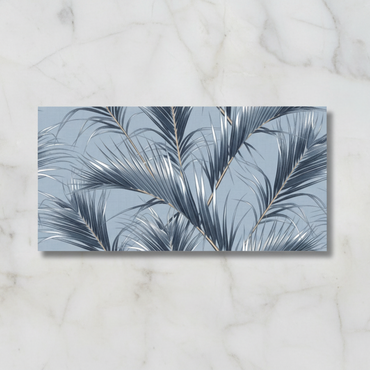
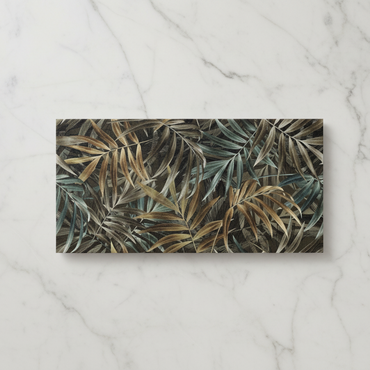
The size of Oasis panels is particularly important with a decorative design. Smaller patterned tiles are repeatedly interrupted by grout, which means the eye tends to read the individual pieces as much as the overall image.

A large-format panel changes that. With fewer joints crossing the design, the artwork can be appreciated more like a continuous surface, making the pattern feel less fragmented and more architectural.

This also means planning the layout matters more than it might with a plain tile. Where a panel starts and finishes, how the pattern meets a corner and where cuts fall around windows, niches or sanitaryware can all affect the final result.

For a strong decorative design, it's worth thinking about the wall as a whole before installation rather than treating each tile as an isolated rectangle.

Grout is naturally less visually dominant with a large-format decorative tile, but it still matters. A grout colour that sits quietly against the background of the design helps preserve the continuity of the artwork, whereas a strongly contrasting joint can introduce an unnecessary grid across it.

The same principle applies to the way Oasis meets other tiles. If you're using a decorative panel alongside a plain wall tile, choose the transition carefully. A quiet complementary tile can make the patterned section feel intentional, while a competing colour or pattern can make the change feel abrupt.

This is also where samples become particularly useful. With a decorative tile, you're not just judging the colour — you're judging how much of the pattern you want visible, where it sits in the room and how it relates to everything around it.

You might like