

Collection: Green Tiles
Green wall tiles can bring a surprising amount of depth to an interior, from rich Forest and bottle greens to brighter Emerald shades. True greens tend to have more presence, making them particularly effective when you want the wall to become a defining part of the room. The right shade can feel dramatic and cocooning, fresh and botanical, or surprisingly elegant depending on the light and materials around it.

-
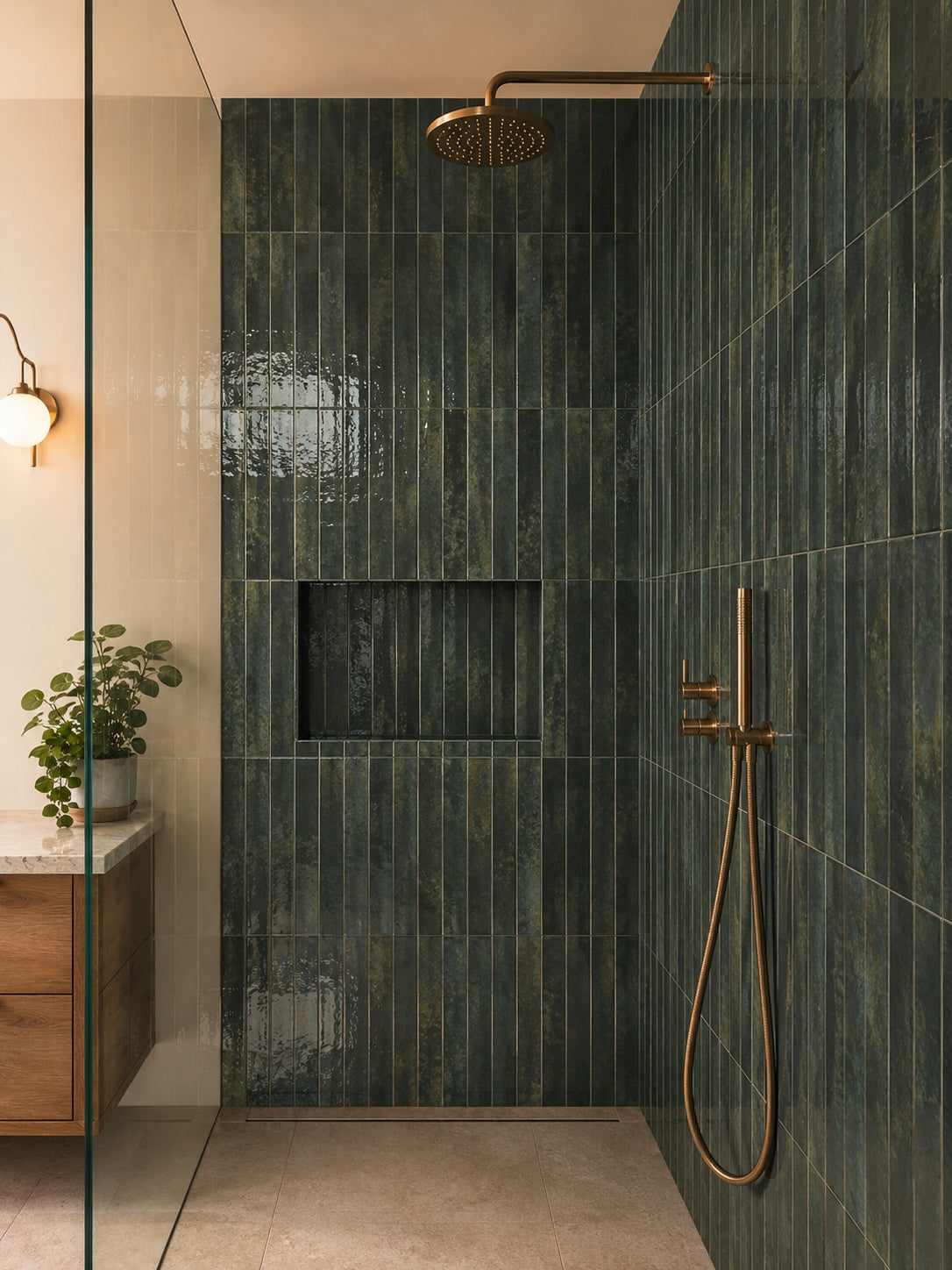
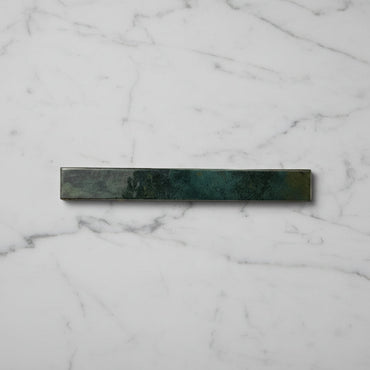
Bali Pine Green Wall Tile 5x40cm
Deep, grounding and quietly dramatic, Bali Pine Green introduces a richer palette to the collection. The colour draws inspiration from...
£24.99 -
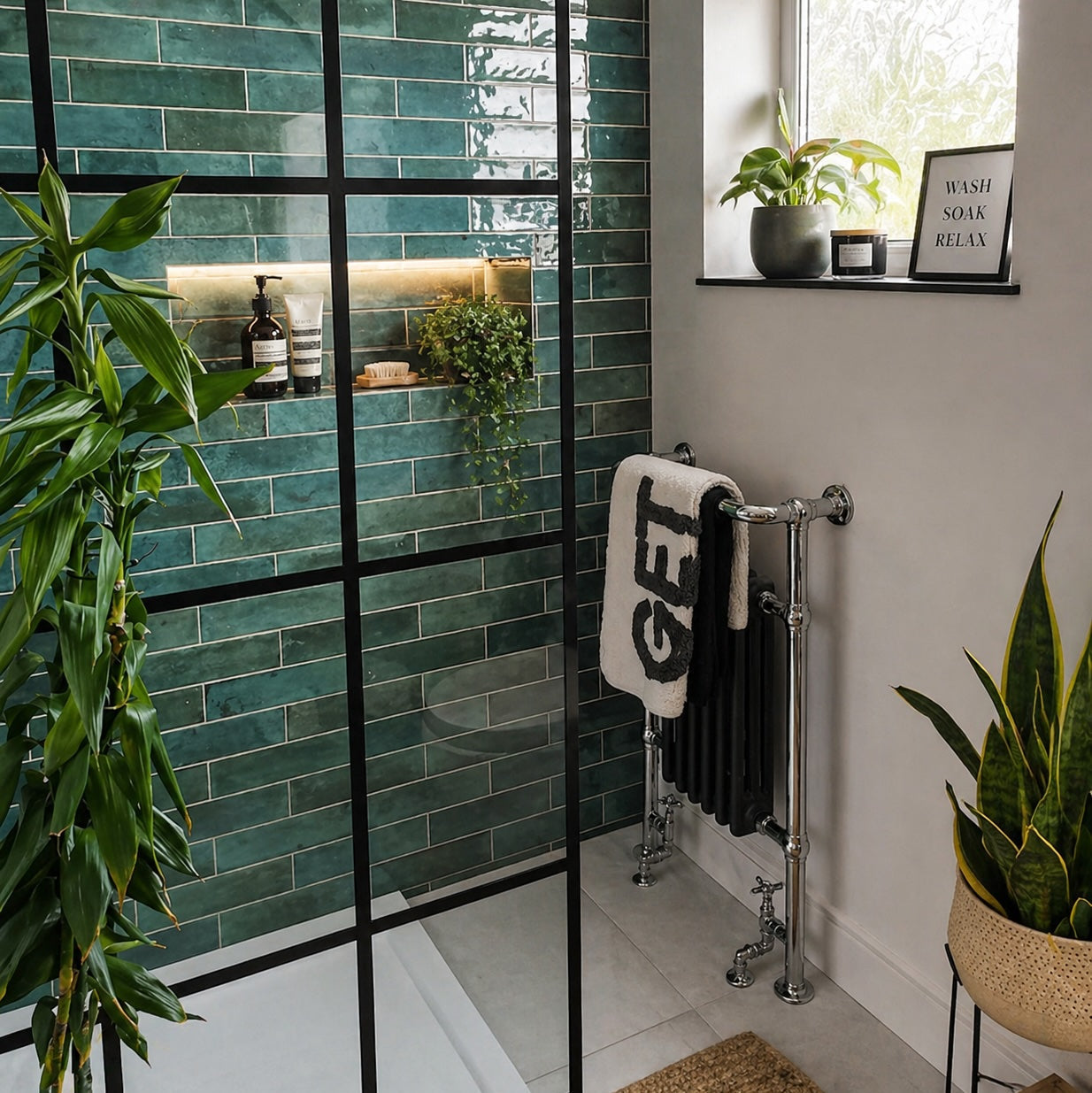
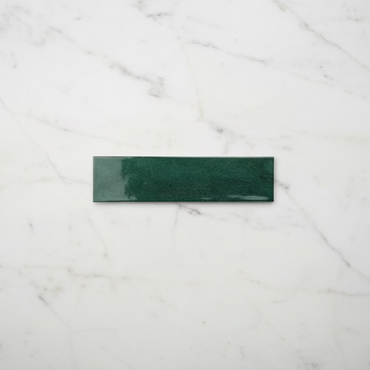
Verona Forest Green Wall Tiles 7.5x30cm
Deep and expressive, Verona Forest Green brings the richness of jewel-toned ceramics into the home. The glossy surface enhances the...
£44.99 -
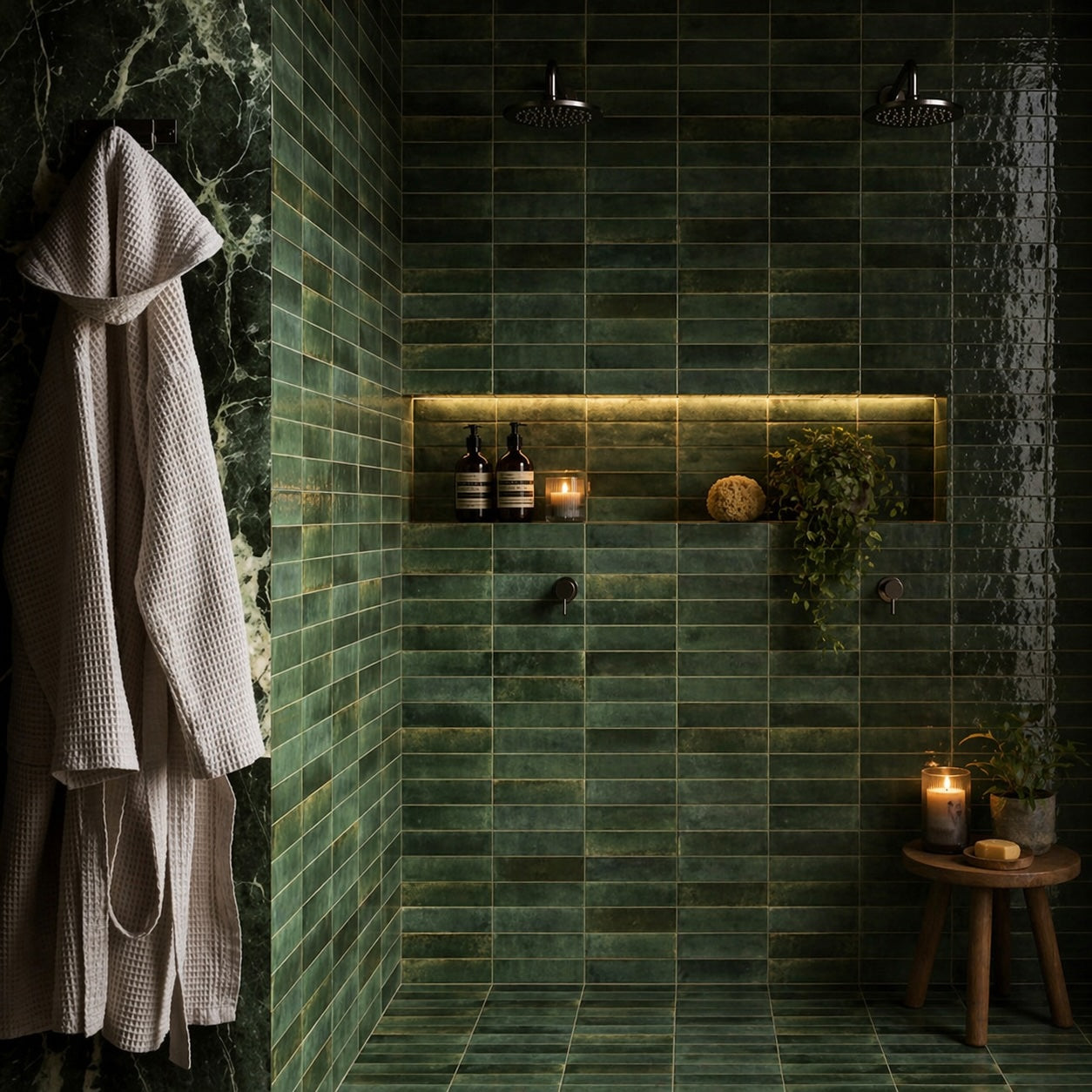
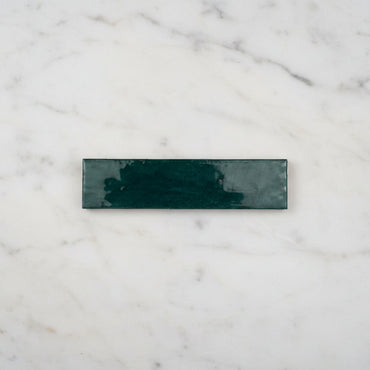
Lume Forest Green Wall And Floor Tiles 6x24cm
Lume Green combines earthy mineral tones with a fluid glazed surface inspired by traditional handcrafted ceramics. The variation between tiles...
£32.99 -
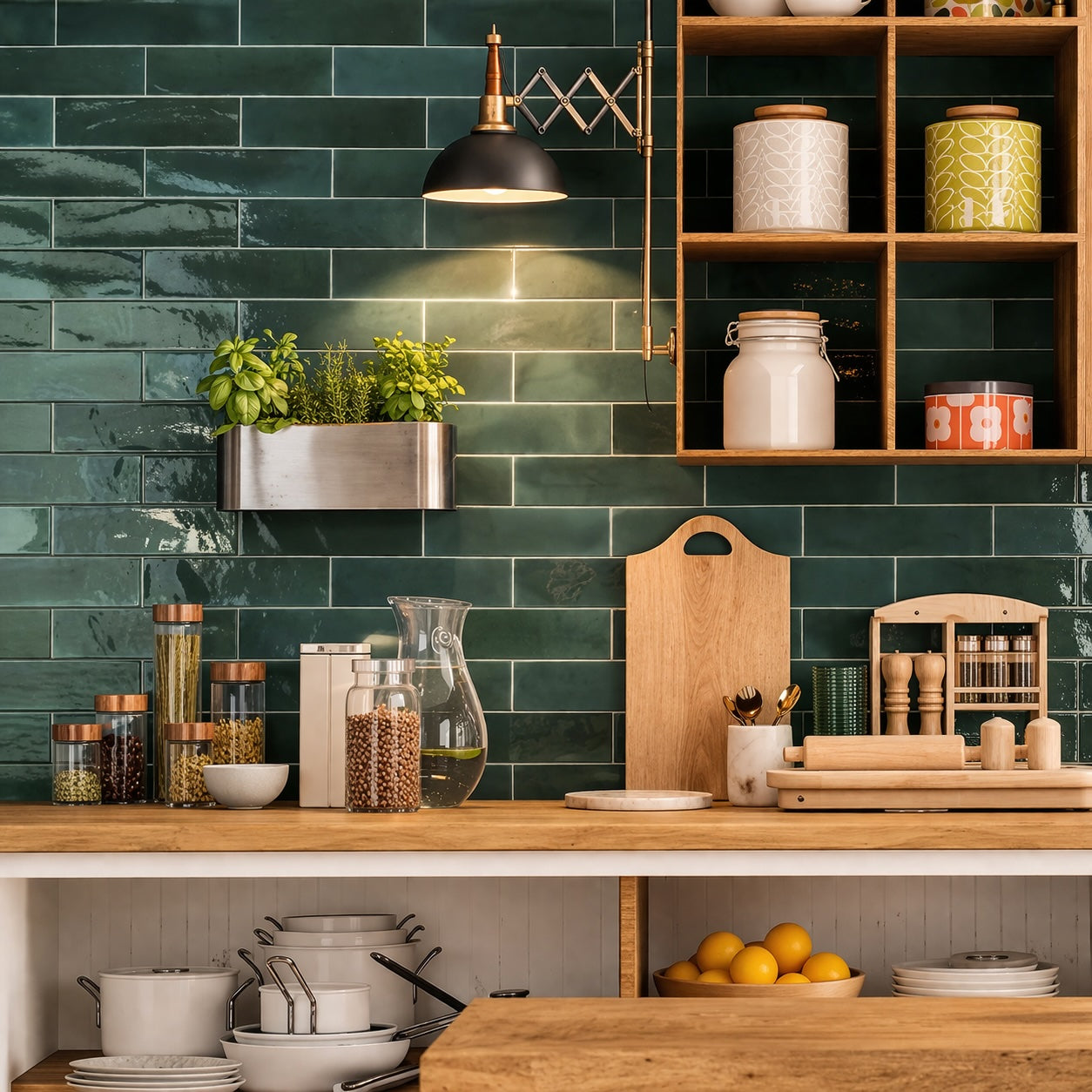
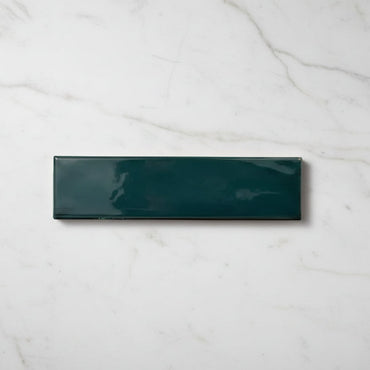
Opal Emerald Gloss Wall TIles 7.5x30cm
Rich emerald tones and a deep gloss finish give this collection a more expressive artisan feel. The reflective surface enhances...
£19.99 -
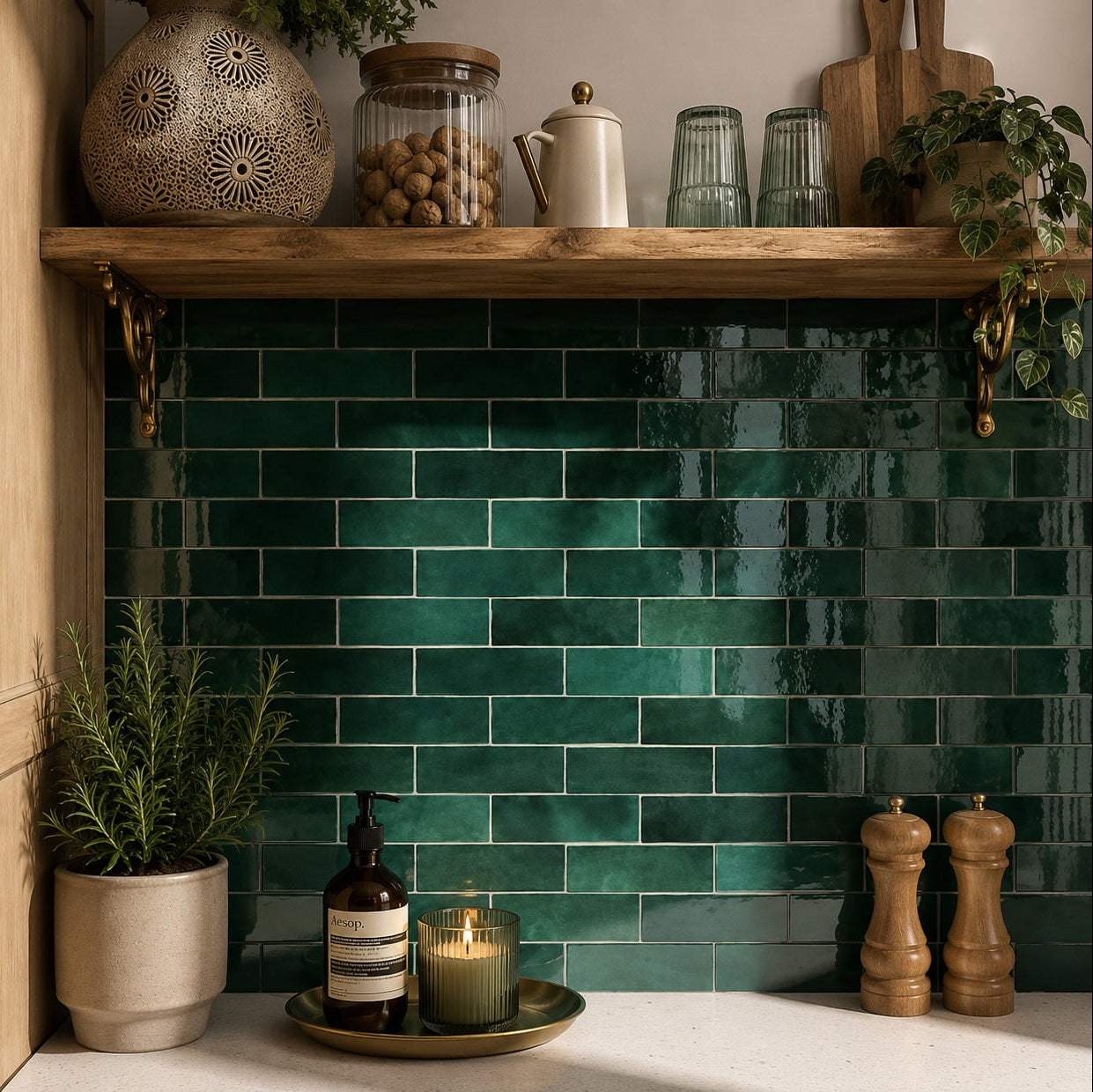
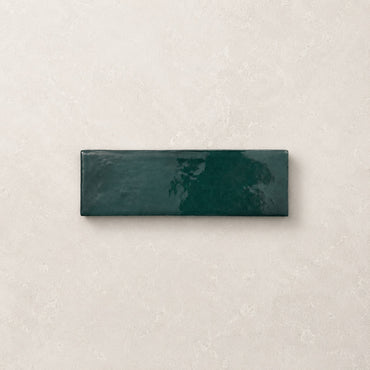
Artesano Green Wall Tiles 6.5x20cm
Inspired by the natural world, Artesano Green feels both restorative and grounding. The rich green tone brings a sense of...
£46.99 -
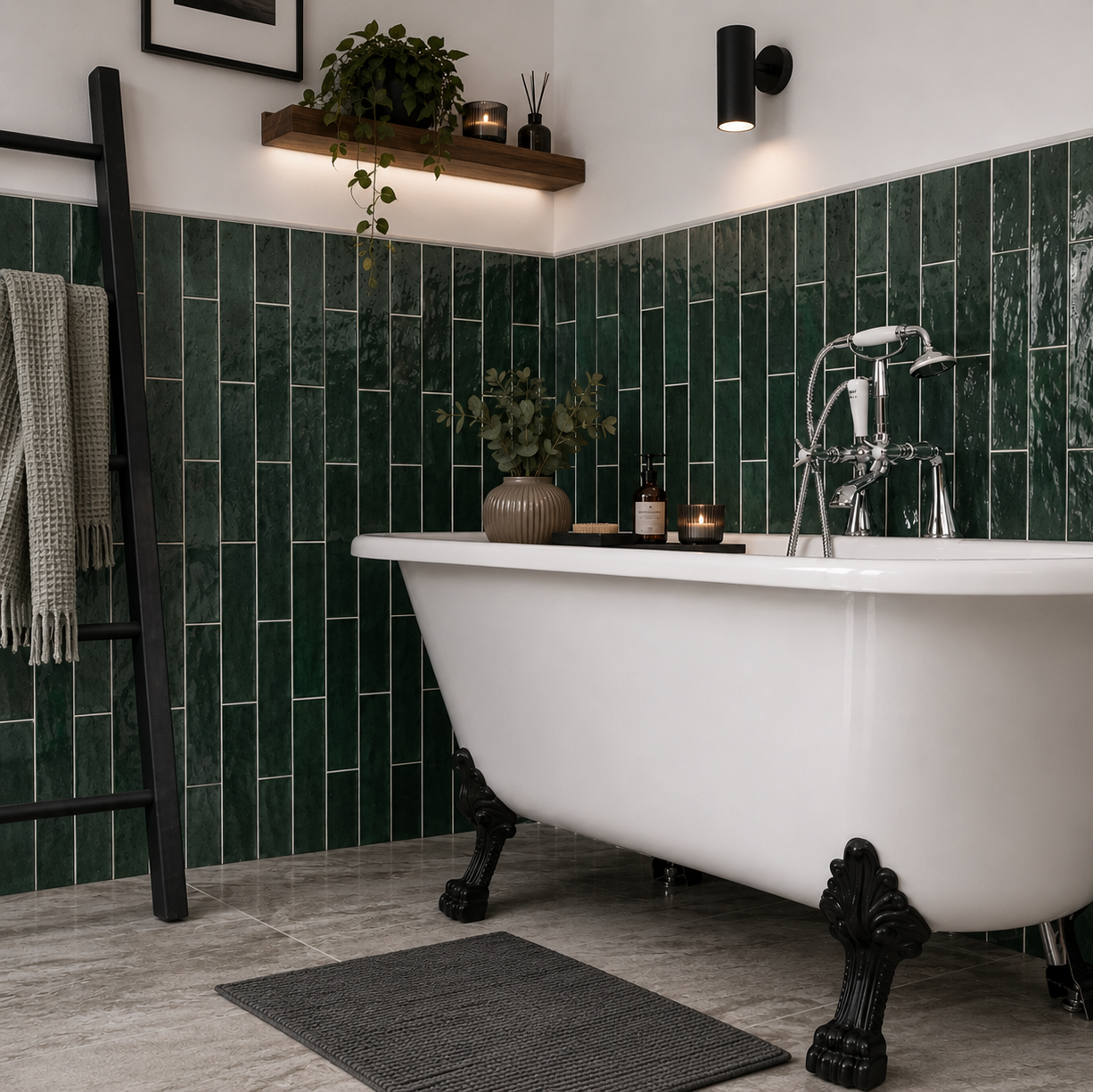
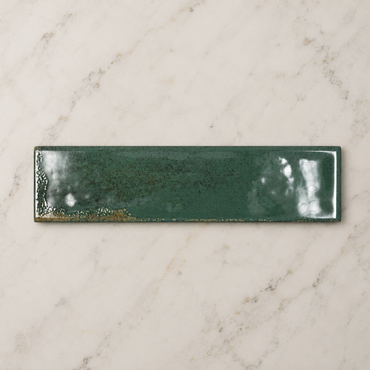
Rustic Porcelain Green Wall Tile 30x7.5cm
Rustic Porcelain Green combines earthy green tones with a high shine glazed surface that enhances the depth and variation within...
£27.99 -
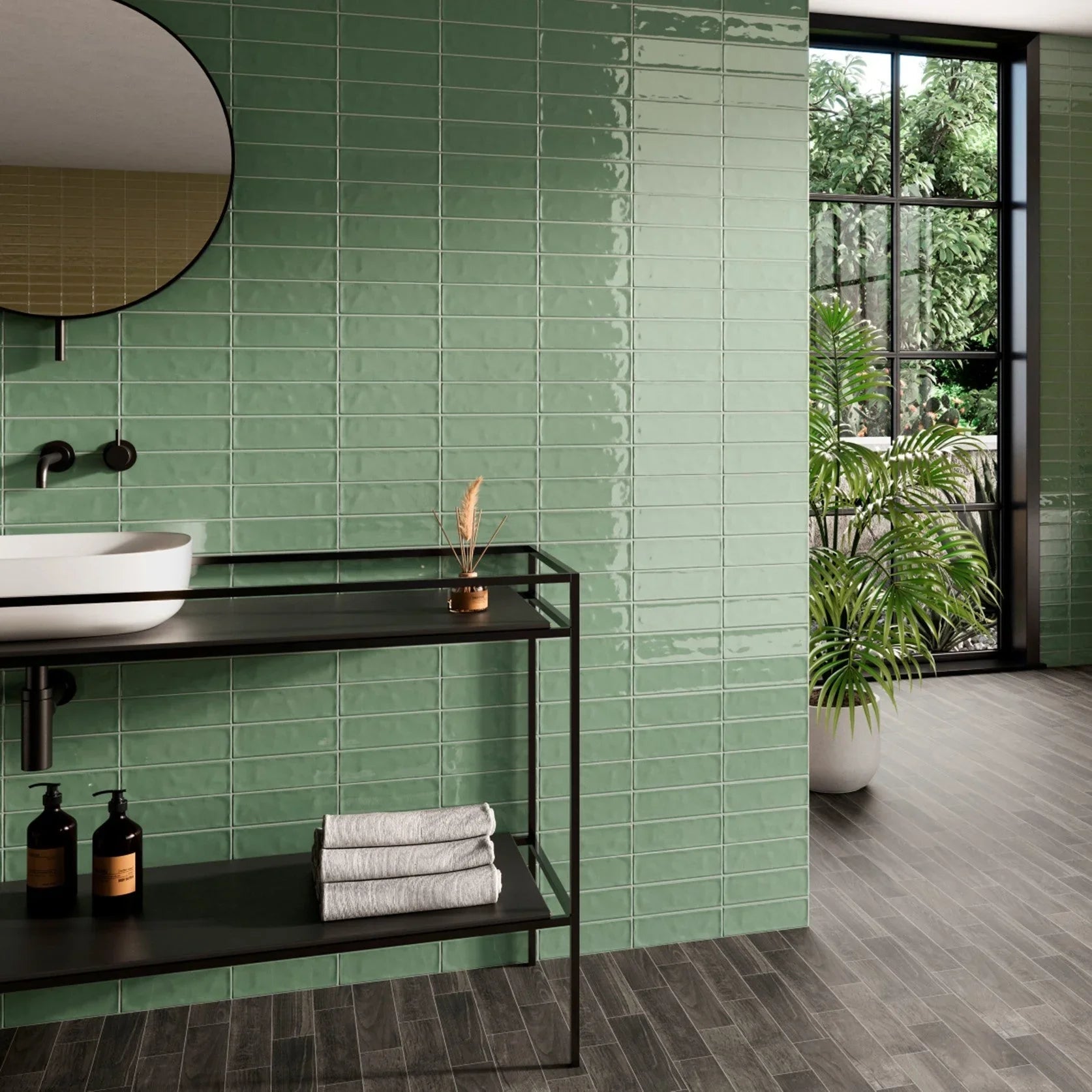
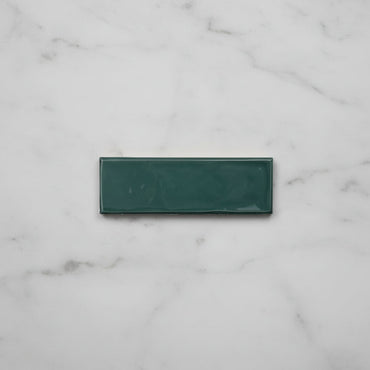
Riviera Green Ripple Gloss Wall Tile 6.5x20cm
Riviera Green combines deeper mineral tones with a softly rippled gloss finish that gives the surface a more fluid, handcrafted...
£31.99 -


Modern Square Sage Green Flat Matt 15x15cm
Modern Square Sage Green Flat Matt 15x15cm Add a calming, organic touch to your interior with the Modern Square Sage...
£22.99 -
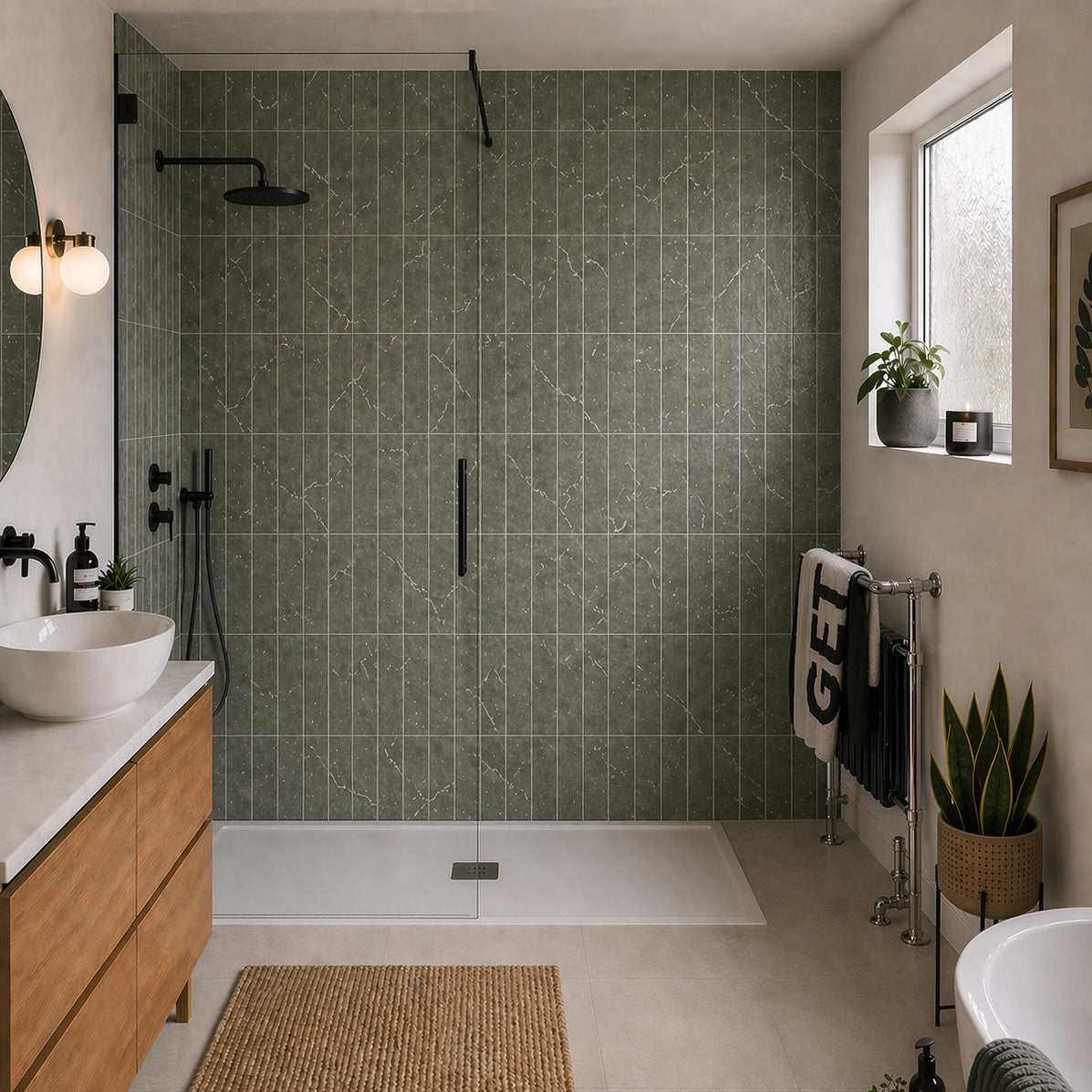
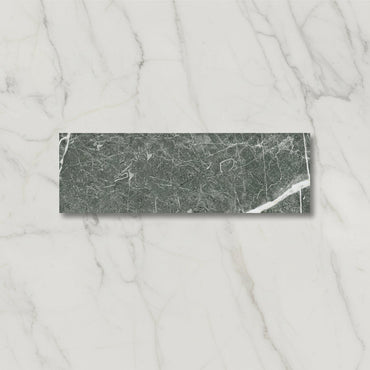
Chelsea Green Marble Porcelain Tile 6x25cm
Green has a unique ability to feel both calming and characterful, and Chelsea Marble Green captures that balance beautifully. Inspired...
£36.99 -
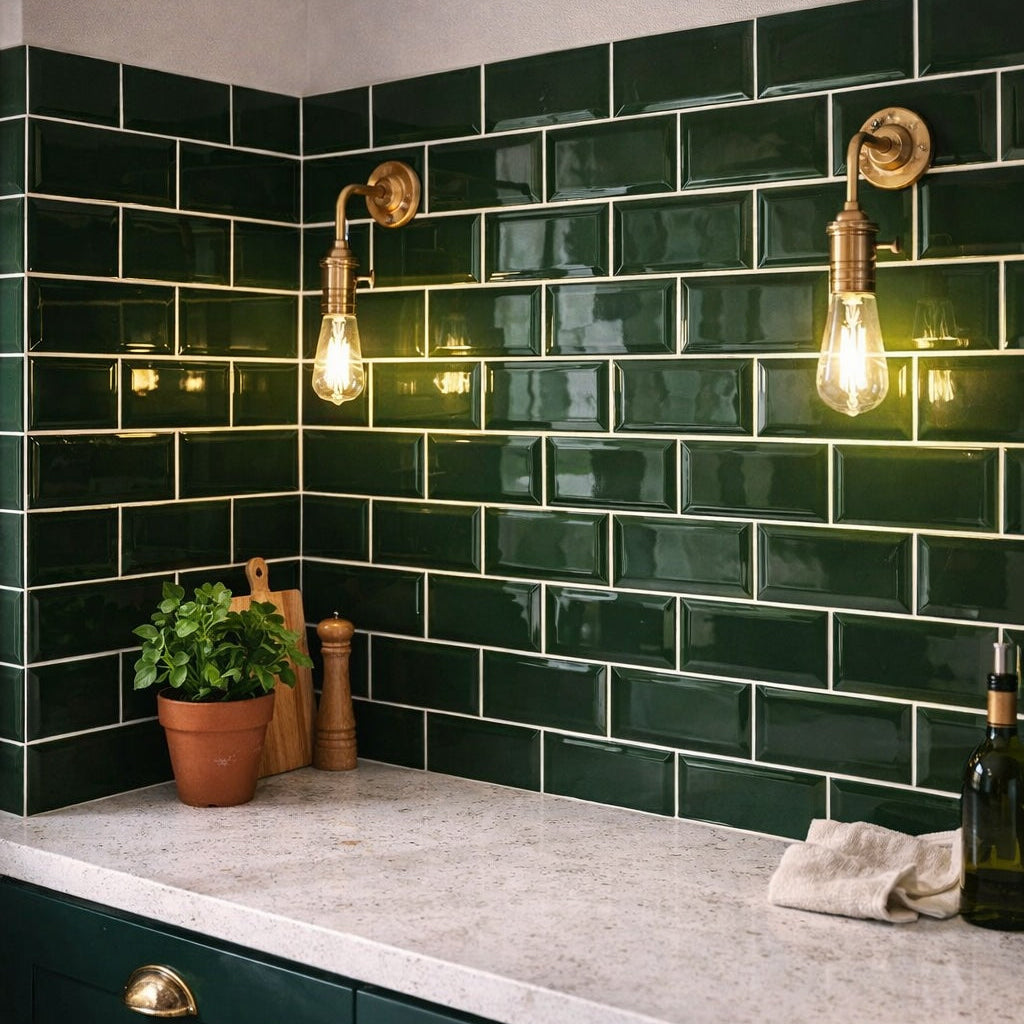
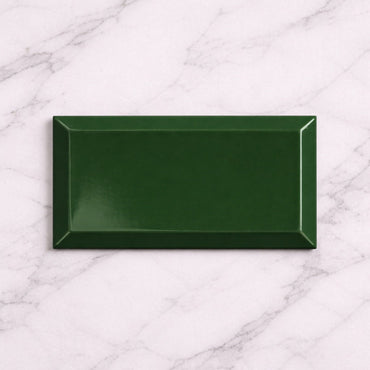
London Green 10x20cm
London Green 10x20cm Bring the outdoors in — with a glossy green twist. The Metro Green Gloss 10x20cm tile delivers...
£22.99 -
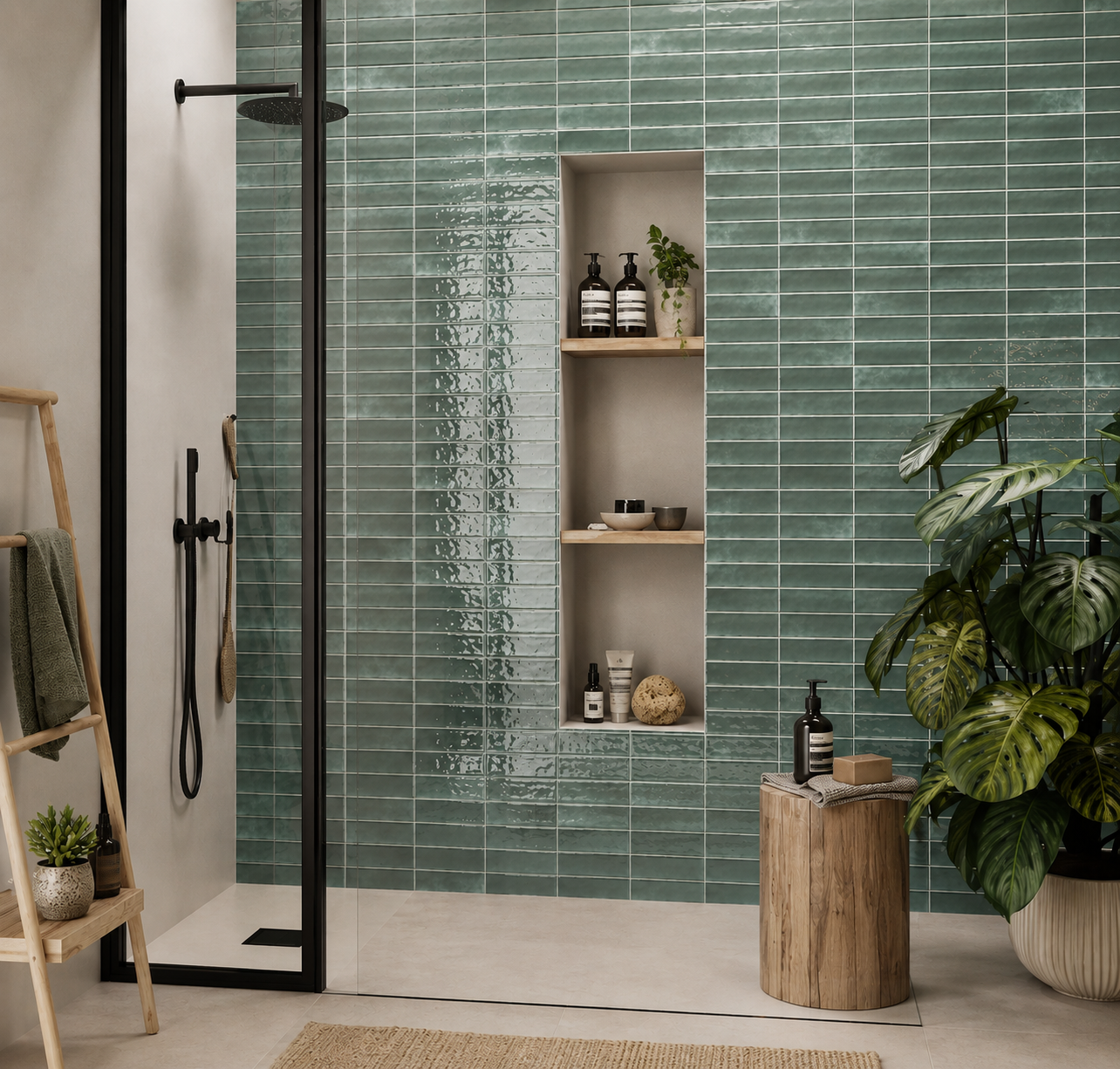
Palais Emerald Gloss Wall Tile 20x6.5cm
Rich and expressive, Palias Emerald brings a sense of luxury without losing its handcrafted charm. The jewel-like green tone creates...
£31.19 -
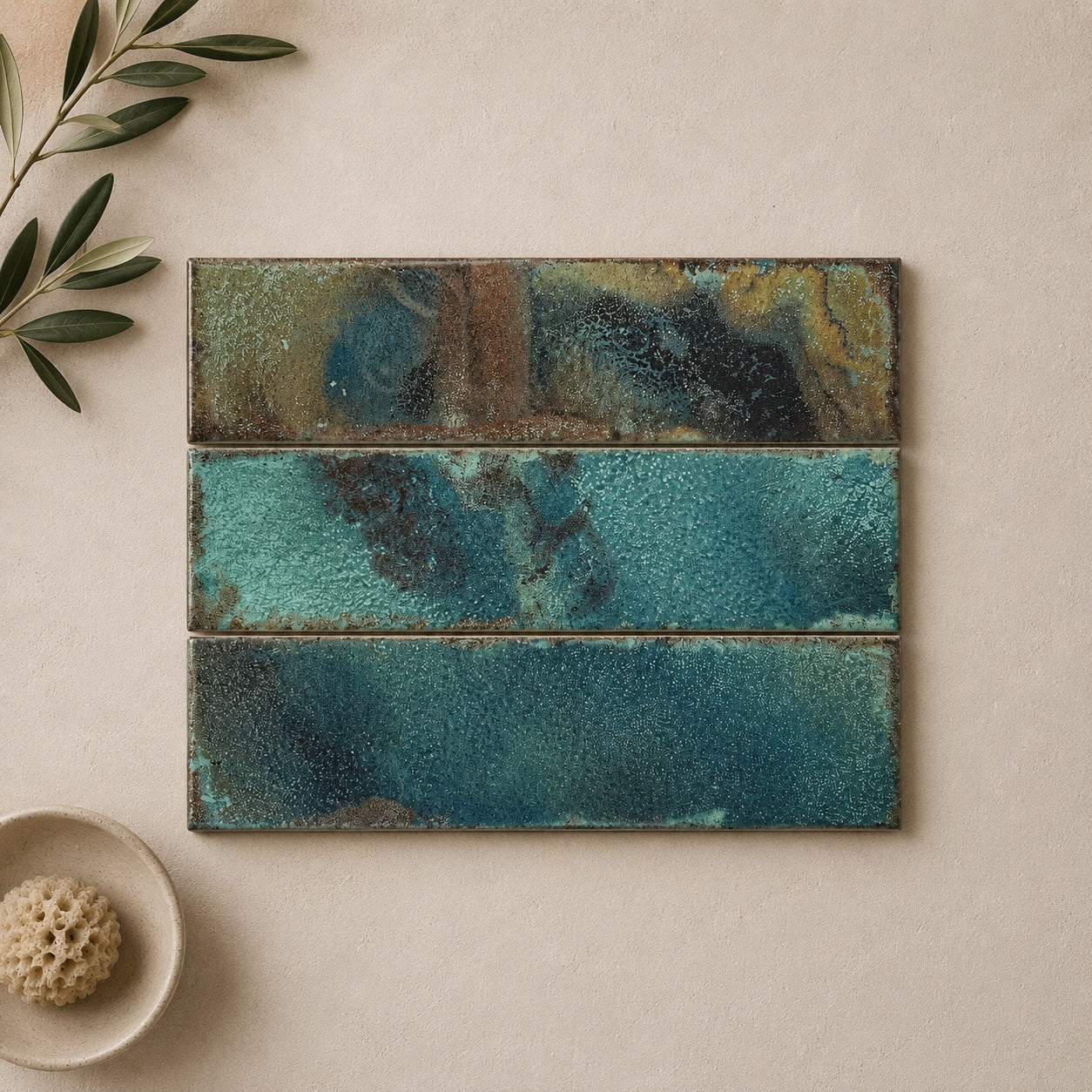
Realm Green Wall Tile 31.5x8cm
Realm Green captures the charm of traditional handcrafted ceramics while feeling entirely at home in contemporary interiors. The rich green...
£28.39 -
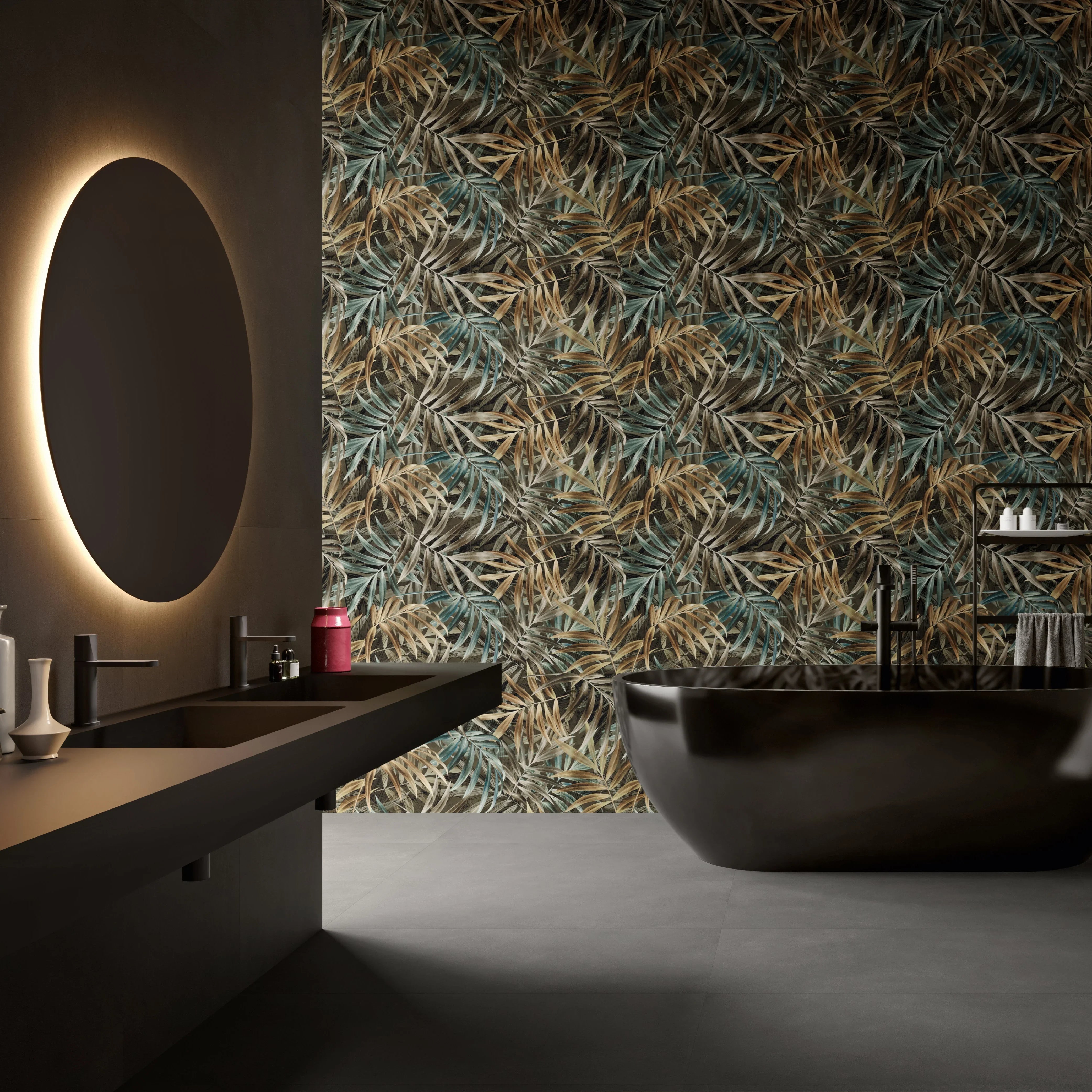
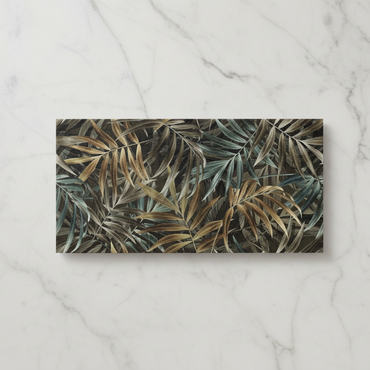
Oasis Jungle Porcelain Wall Tile 120x60cm
Oasis Jungle Porcelain Wall Tile 120x60cm: Bring the Wild Beauty of the Jungle into Your Home Transform your space into...
£49.99 -
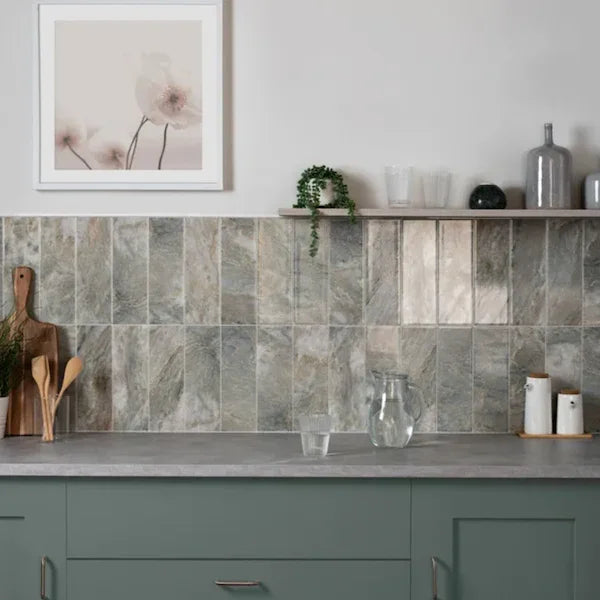
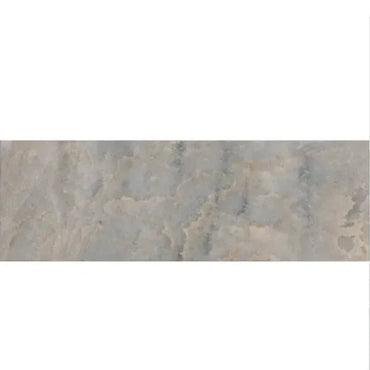
Onyx Metro Pearl Green Wall Tiles 10x30cm
Onyx Metro Pearl Green Wall Tile 10x30cm – Timeless Elegance with a Touch of Luxury Elevate your interior design with...
£34.99 -
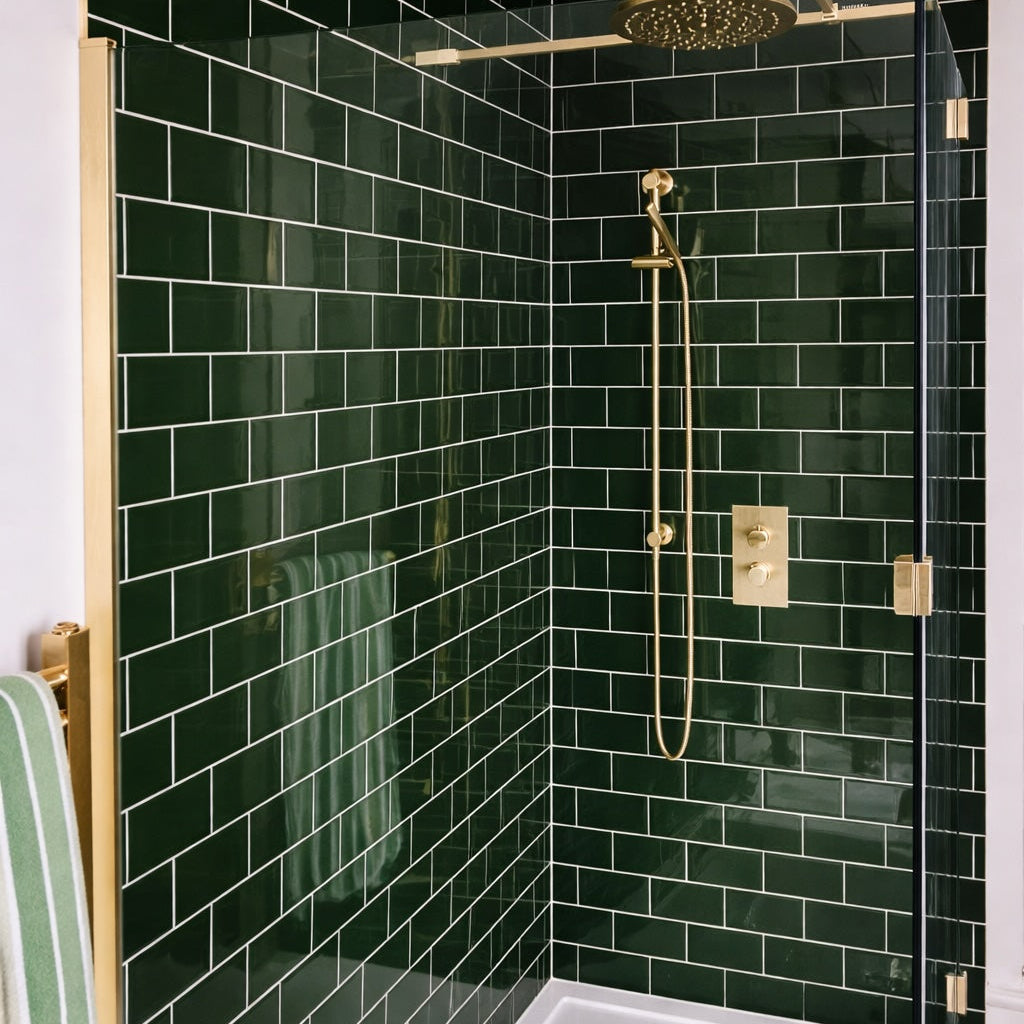
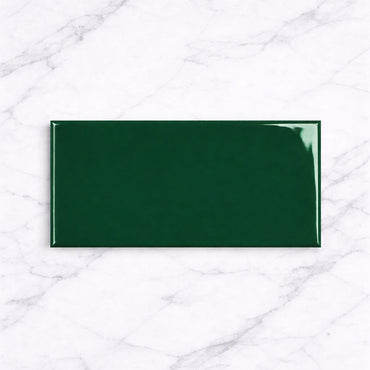
Underground Bottle Green 10x20cm
Metro Bottle Green Flat Gloss Wall Tiles 10x20cm Bring a bold, botanical vibe to your space with the Metro Bottle...
£22.99 -

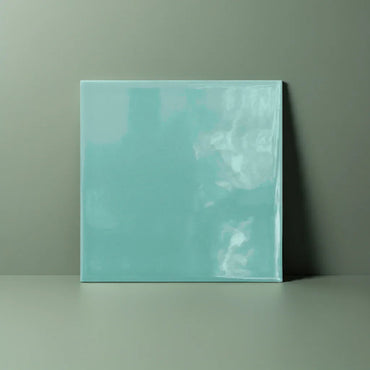
Modern Square Sage Green Flat Gloss 15x15cm
Modern Square Sage Green Flat Gloss 15x15cm Bring a fresh, feel-good vibe to your home with our Modern Square Sage...
£22.99 -
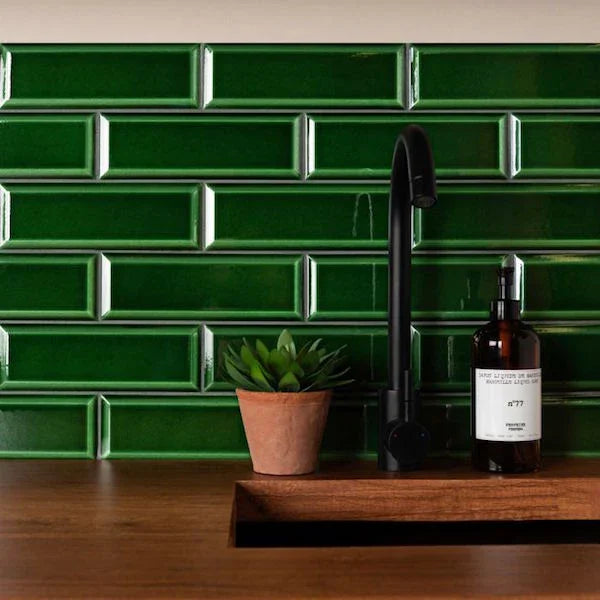
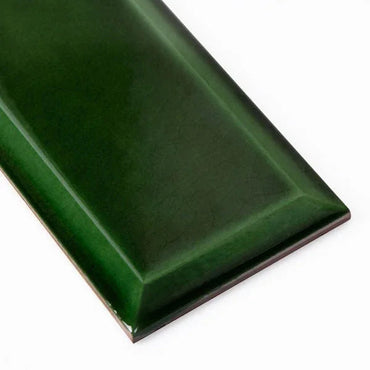
New York Metro Crackle Victorian Green Wall Tiles
Straight from the subway and into your home, our New York Metro tiles are the epitome of vintage-meets-modern. Combining the...
£56.99 -


Underground Sage 10x20cm
Metro Sage Flat Gloss Wall Tiles 10x20cm Add calm and contemporary character to your walls with the Metro Sage Flat...
£22.99 -
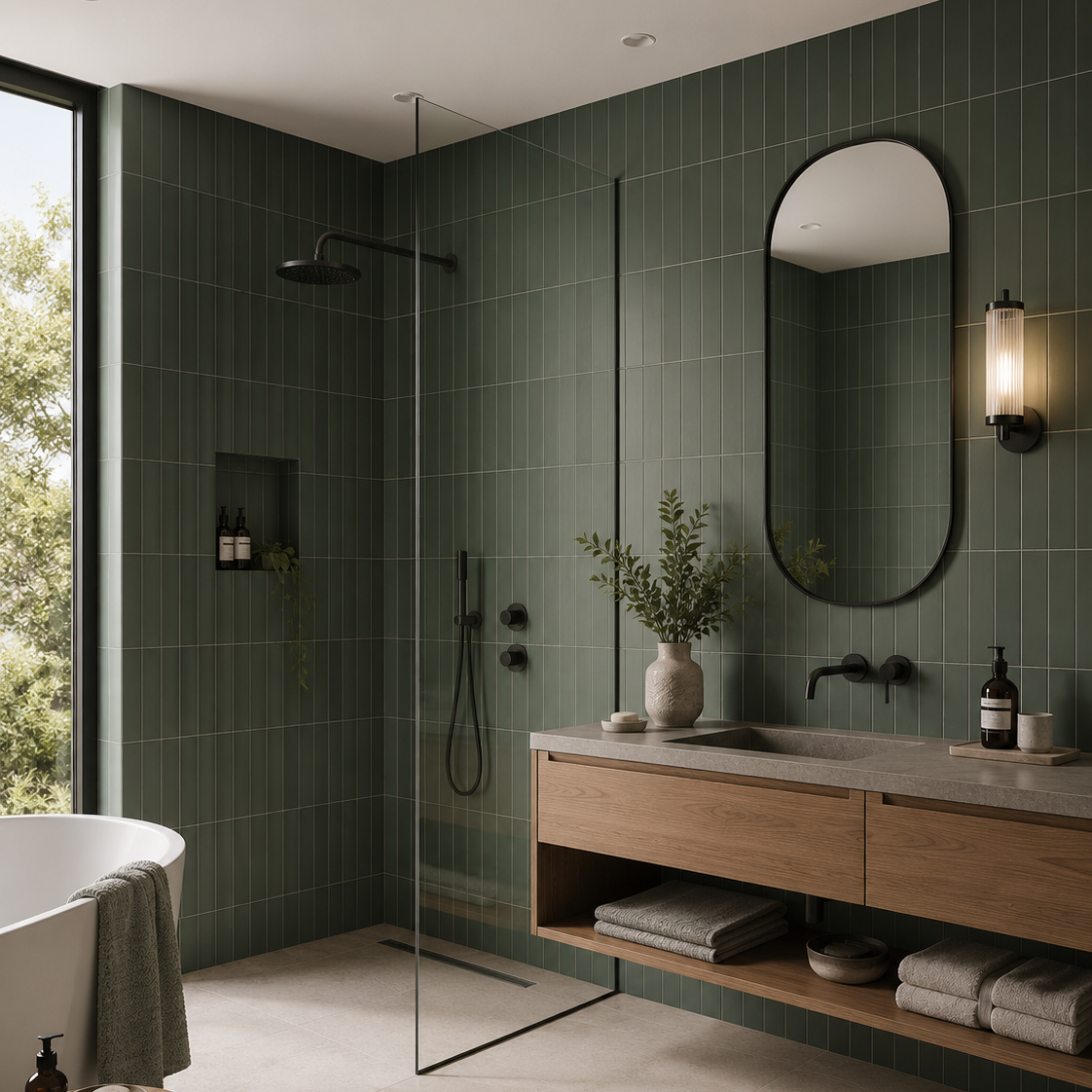
Sutton Pine Green Matt Porcelain Wall Tile 6x30cm
Inspired by the richness of natural landscapes, Sutton Pine Green introduces a grounding presence that feels both luxurious and timeless....
£22.49


Can you use green tiles in a small bathroom?
What mood do dark green tiles create?
What colours and materials work with green wall tiles?
How much green should you put on the wall?