

Collection: White Tiles
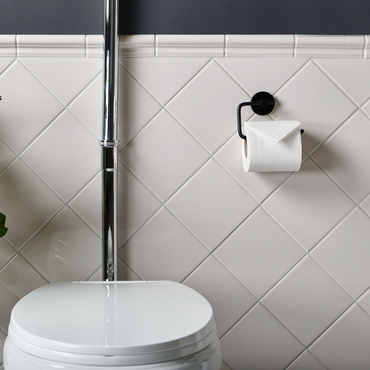
White wall tiles are anything but one-dimensional. A crisp gloss white can feel bright and architectural, while a warmer or textured white can create a much softer backdrop. The format, finish, grout and surrounding materials all influence the result, which is why white tiles can work just as well in a characterful kitchen as they can in a clean, contemporary bathroom.

-
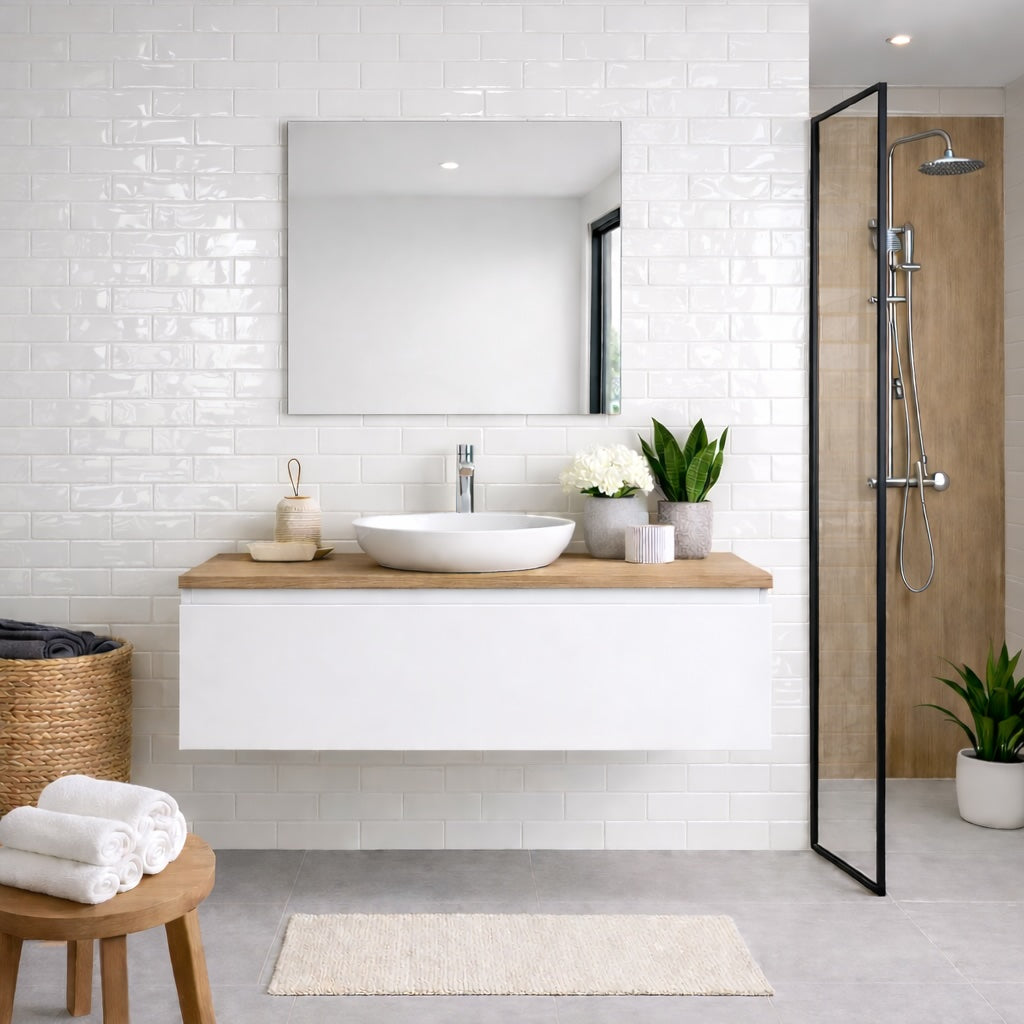
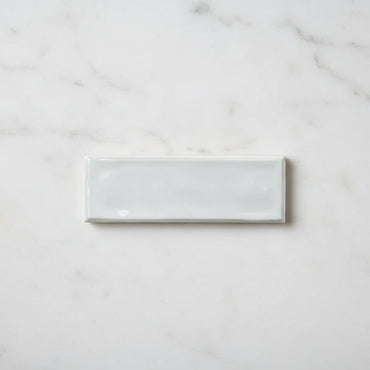
Riviera White Ripple Gloss Wall Tile 6.5x20cm
A crisp white ceramic wall tile with a softly rippled gloss surface that reflects light gently across the wall. Clean...
£31.99 -
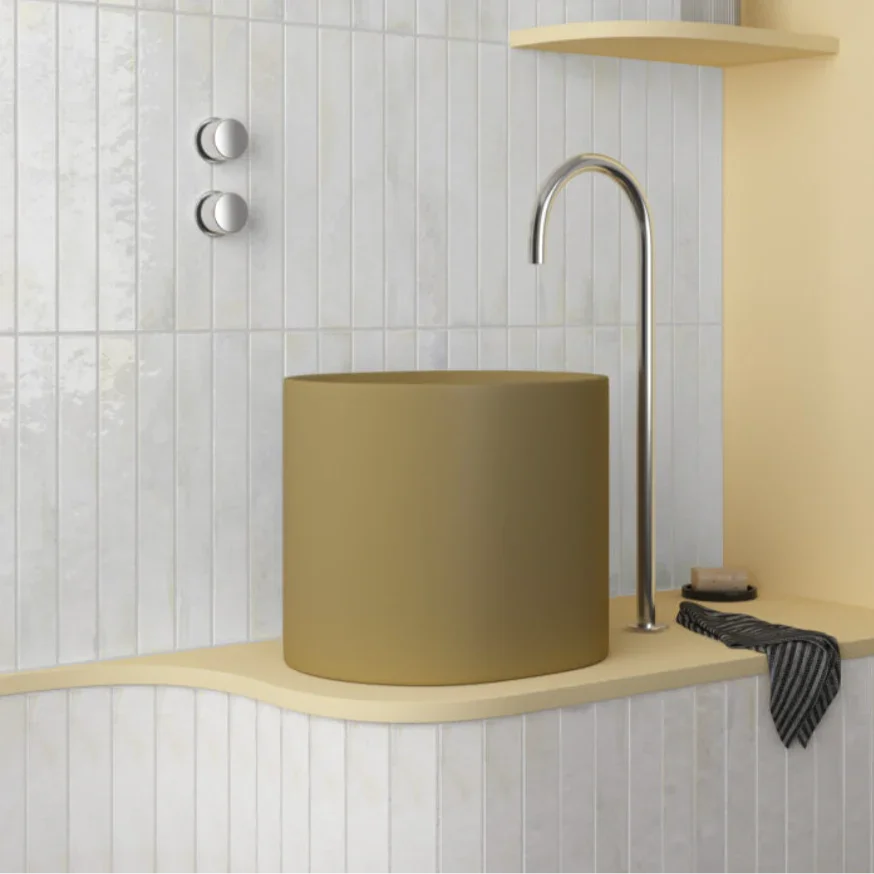
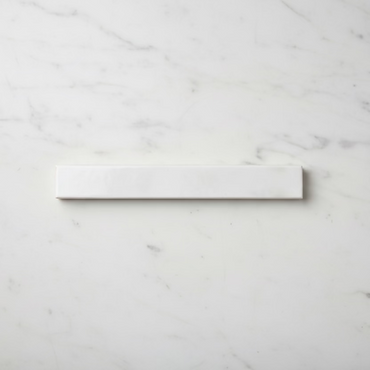
Bali White Wall Tile 5x40cm
Clean, bright and endlessly versatile, Bali White takes the simplicity of a classic white tile and elevates it through proportion...
£24.99 -
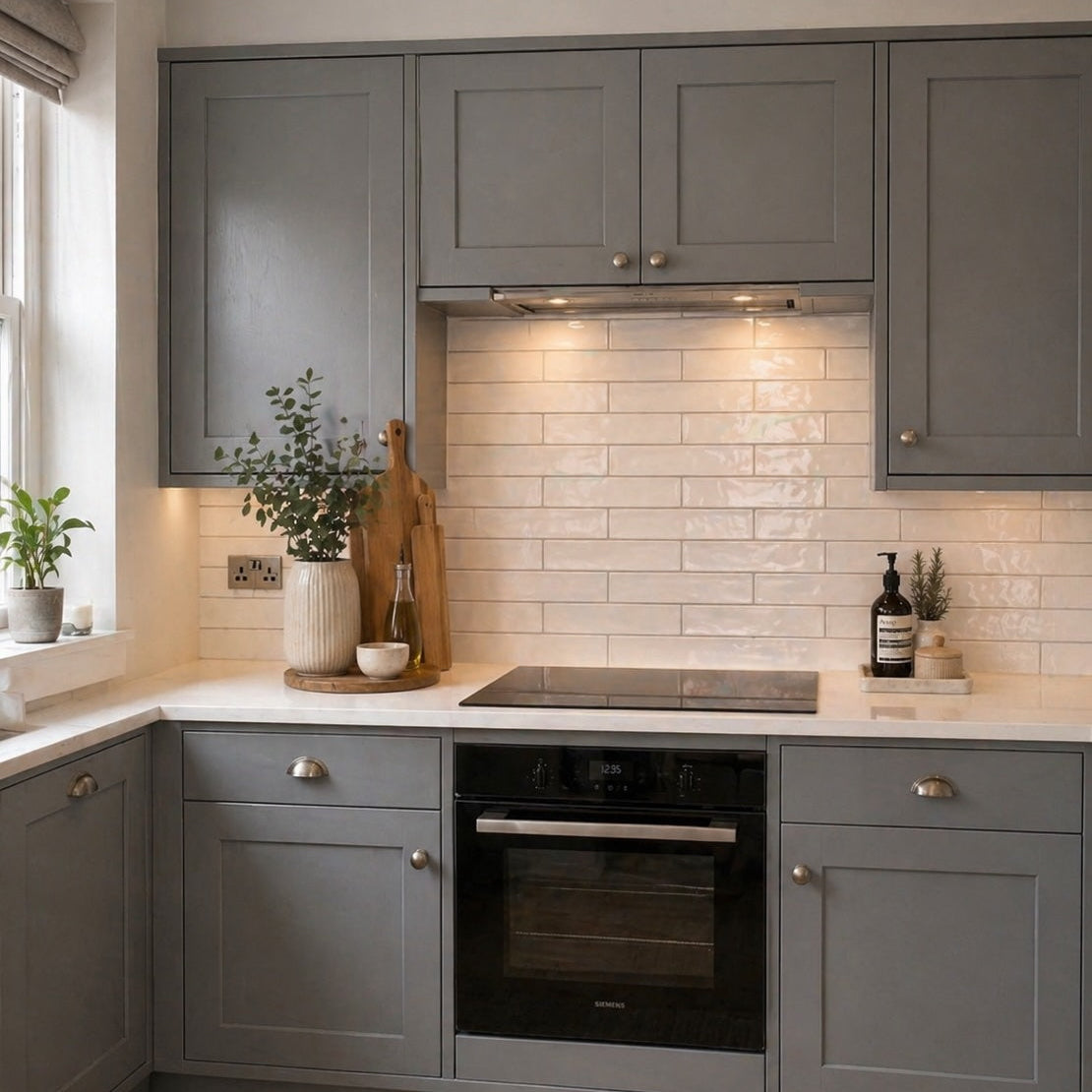
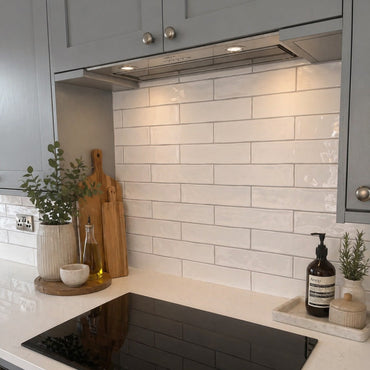
Cotswold White Gloss Handmade Effect Wall Tile 7.5x30cm
There is a timelessness to a white gloss tile that never feels out of place, yet Cotswold Gloss White brings...
£44.99 -
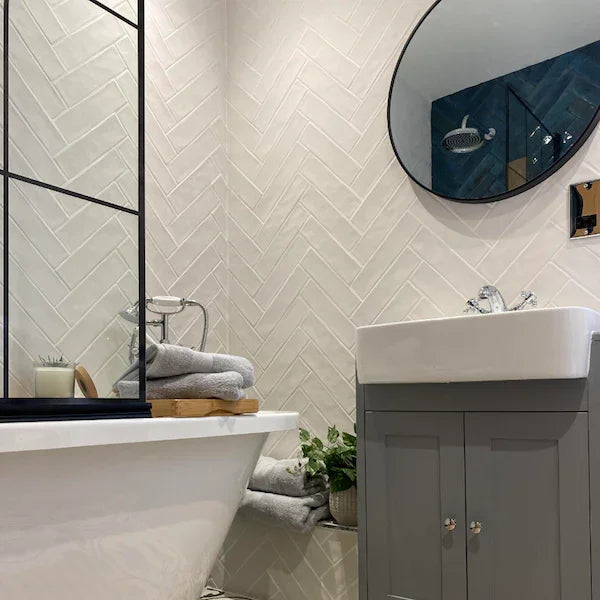
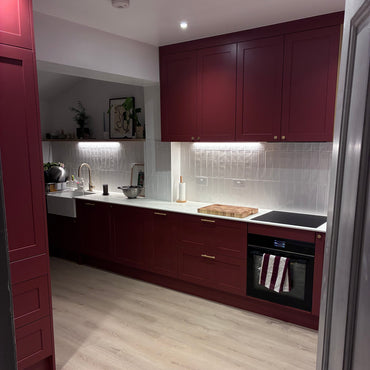
Cotswold White Matt Handmade Effect Wall Tile 7.5x30cm
Cotswold Matt White takes a quieter approach to white wall tiles. The soft matt finish creates a more understated appearance,...
£44.99 -
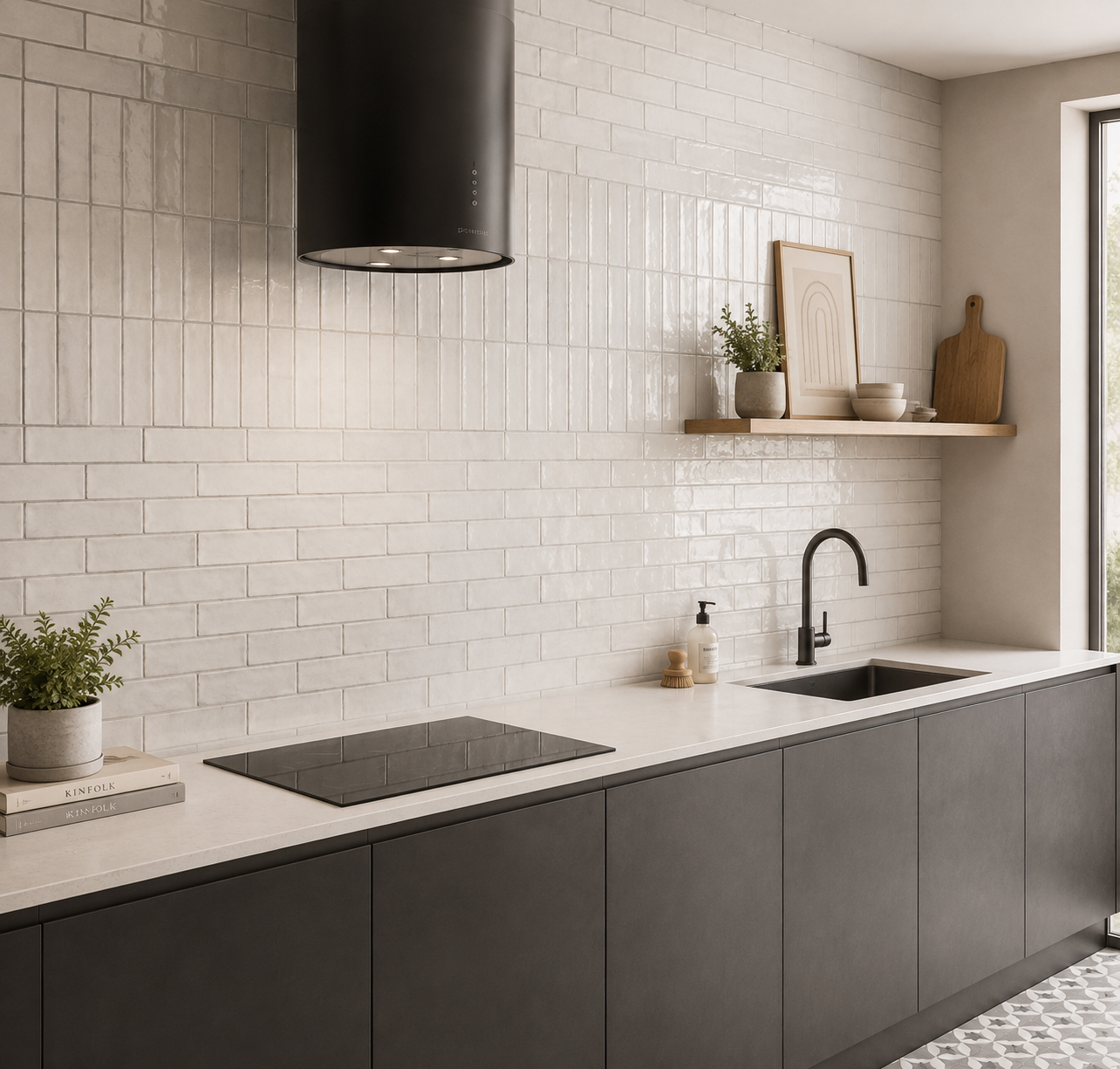
Palais White Wall Tile 20x6.5cm
White remains one of the most enduring choices for interior walls, yet Palias White feels far removed from a standard...
£31.19 -
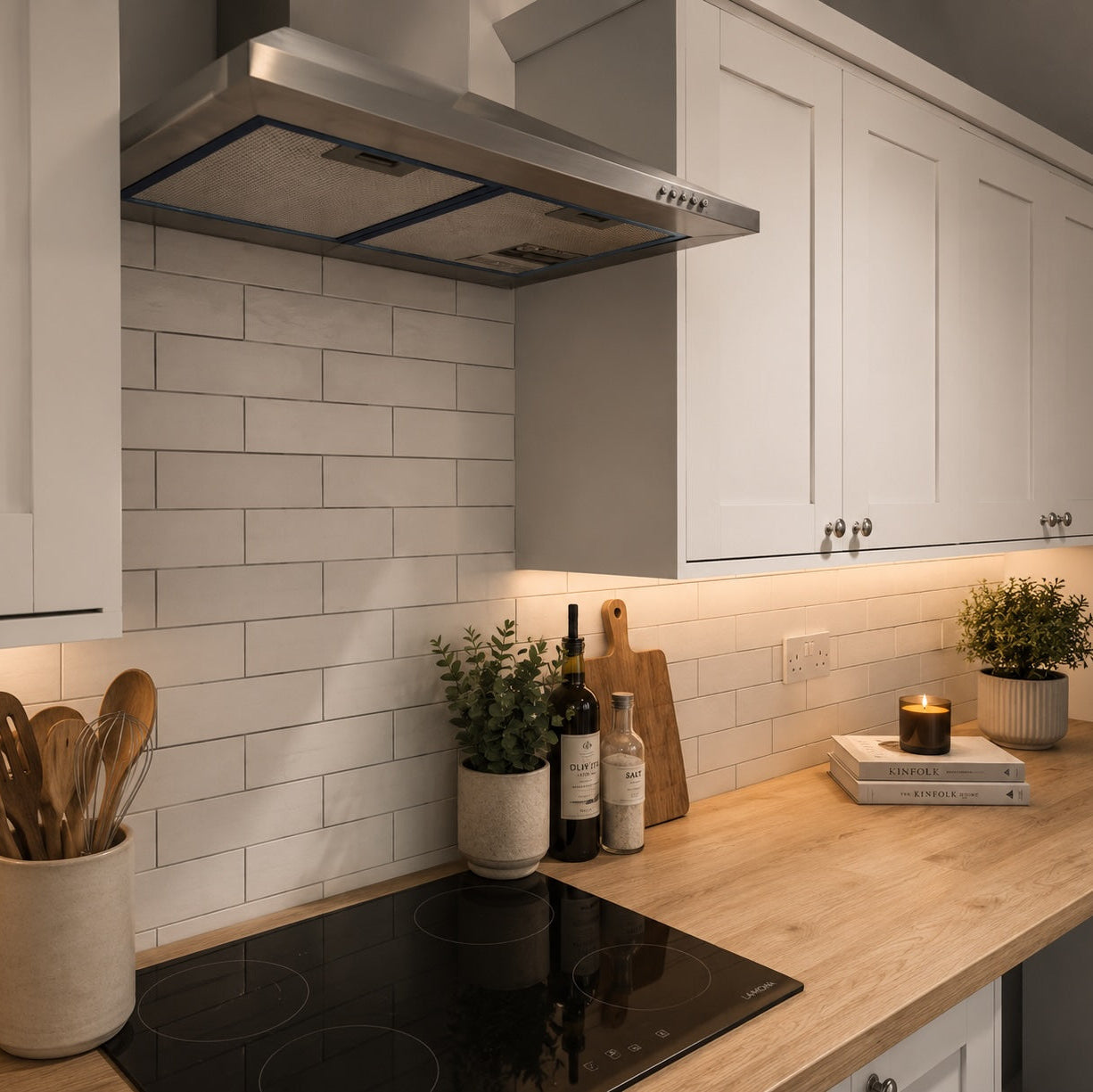
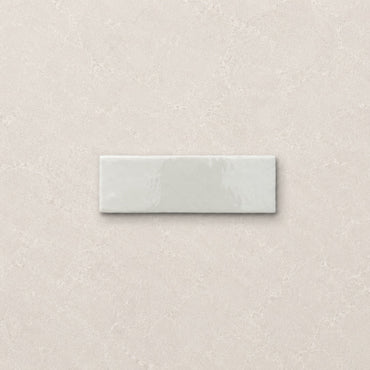
Artesano White Wall Tiles 6.5x20cm
White remains one of the most versatile choices for interior walls, but Artesano White offers something more considered than a...
£46.99 -
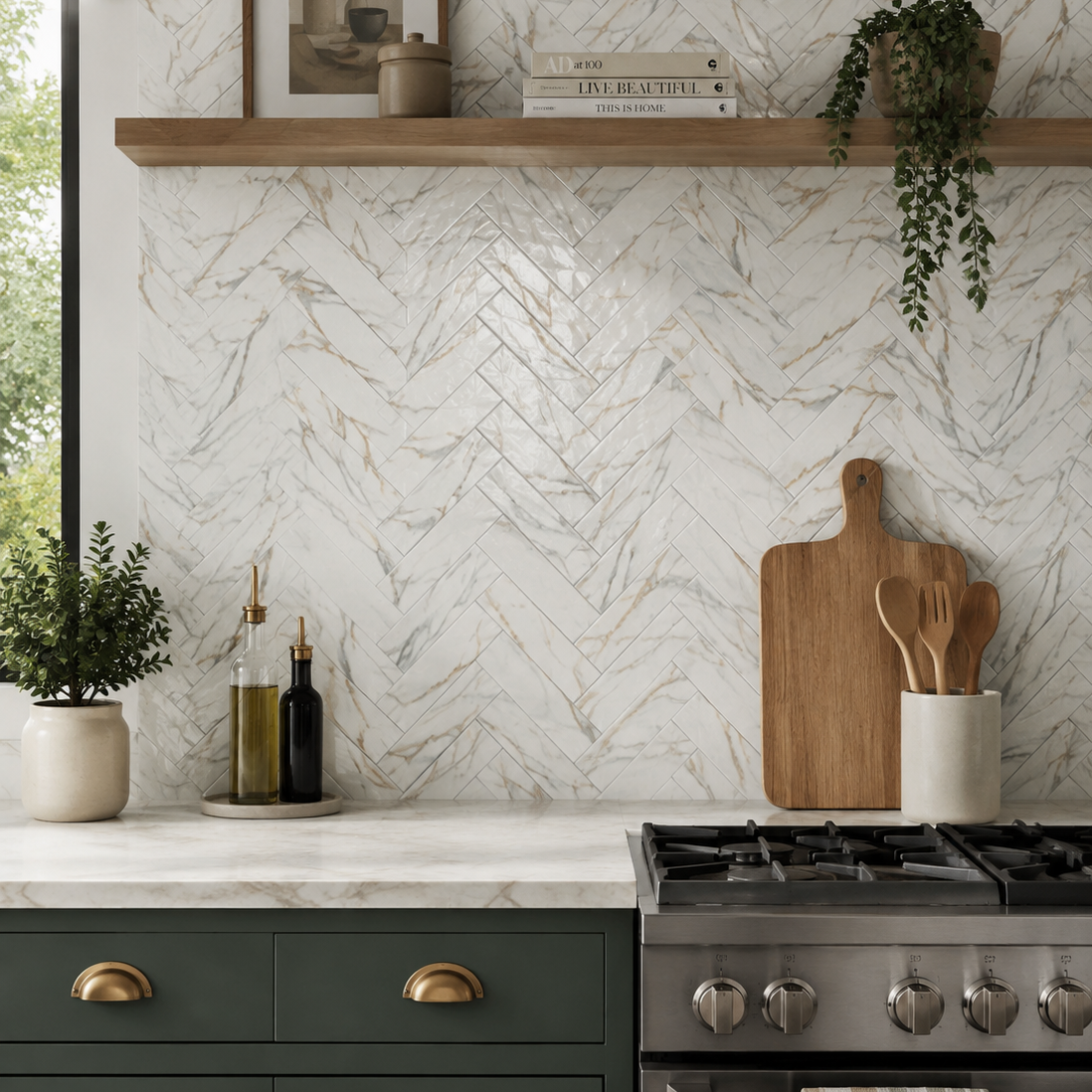
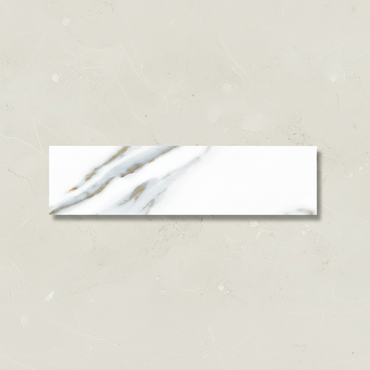
Gold Marble Brick 7.5x30cm
Metro Gold Marble Brick Wall Tile 7.5x30cm The Metro Gold Marble Brick Wall Tile 7.5x30cm combines the timeless elegance of...
£17.99 -
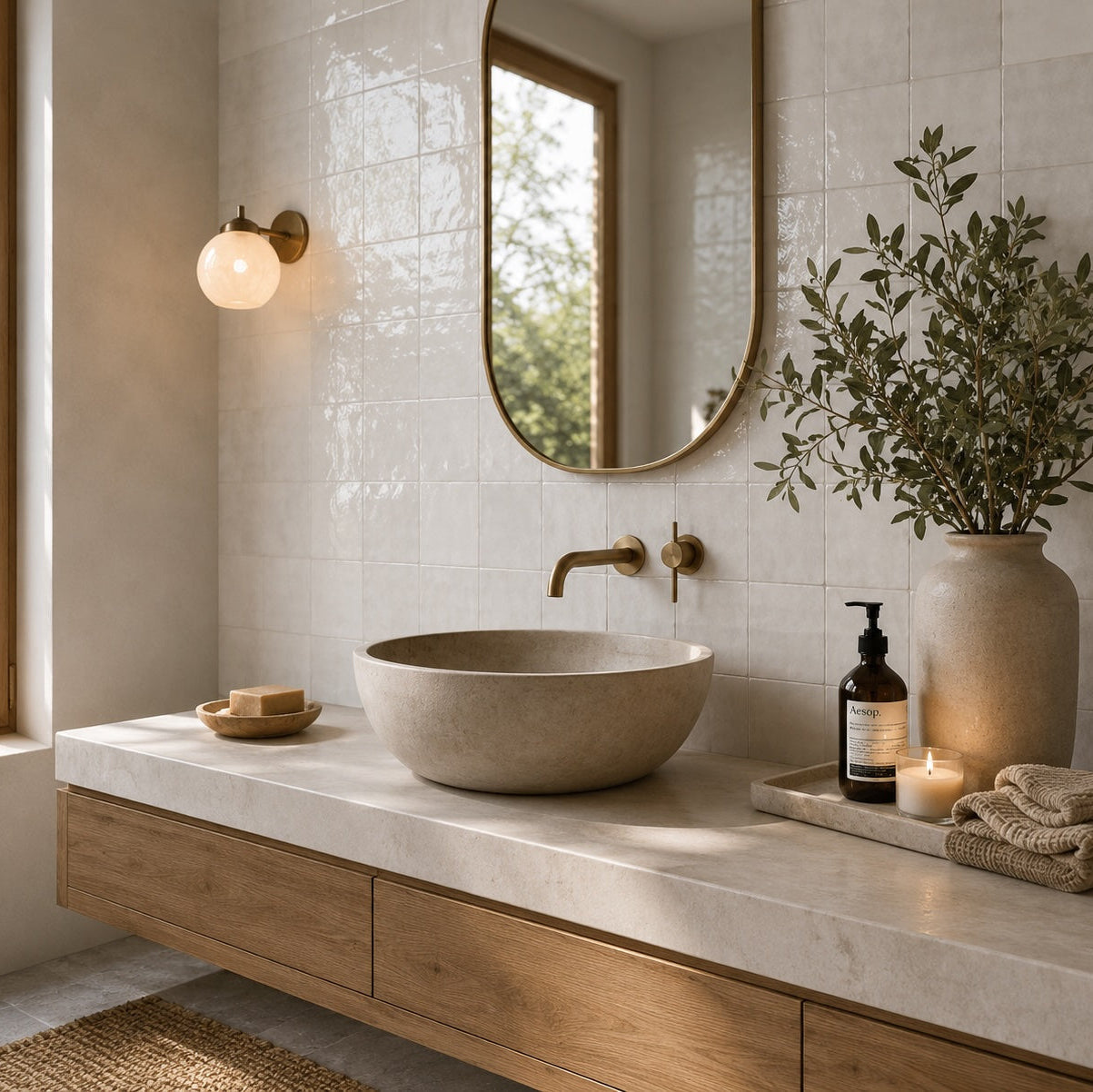
Zellige Pearl White Wall Tiles 13x13cm
A timeless white wall tile with softly irregular handmade edges and a glossy glazed finish. Simple in colour yet rich...
£31.99 -
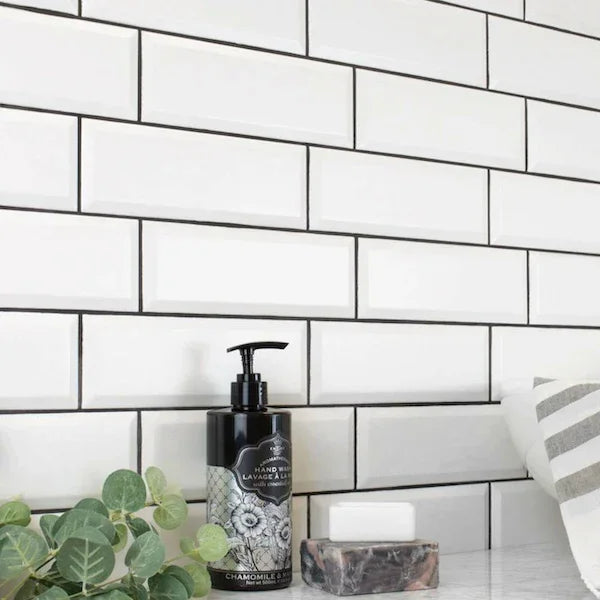
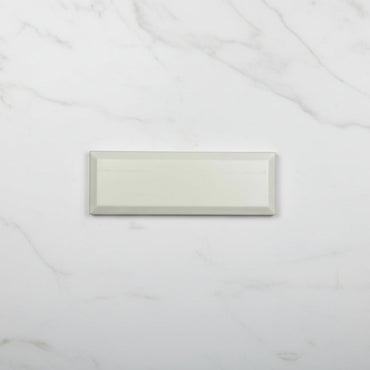
New York Metro Cotton White Matt Wall Tiles
Slightly warmer in tone than Ice White, our Cotton White Matt tiles are the epitome of vintage-meets-modern. In a soft...
£44.99 -
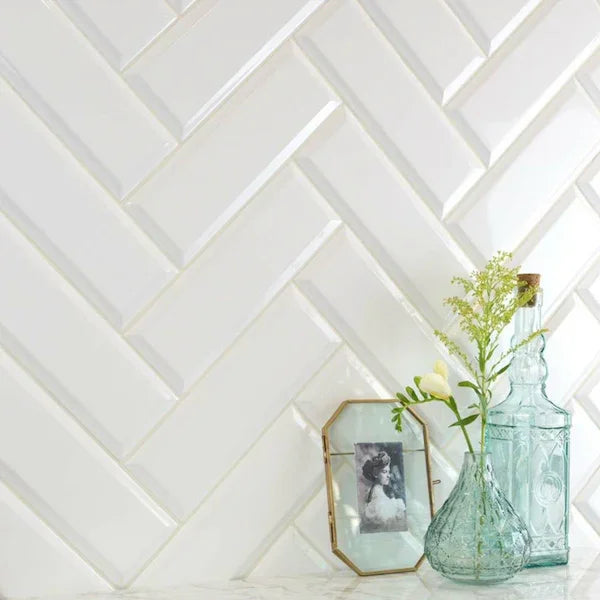
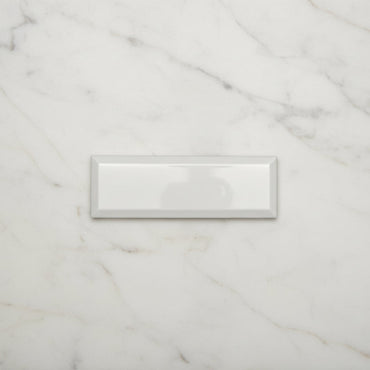
New York Metro Ice White Gloss Wall Tiles
Straight from the subway, our New York Gloss Metro tiles are the epitome of vintage meets-modern. In an authentic crisp-white...
£44.99 -
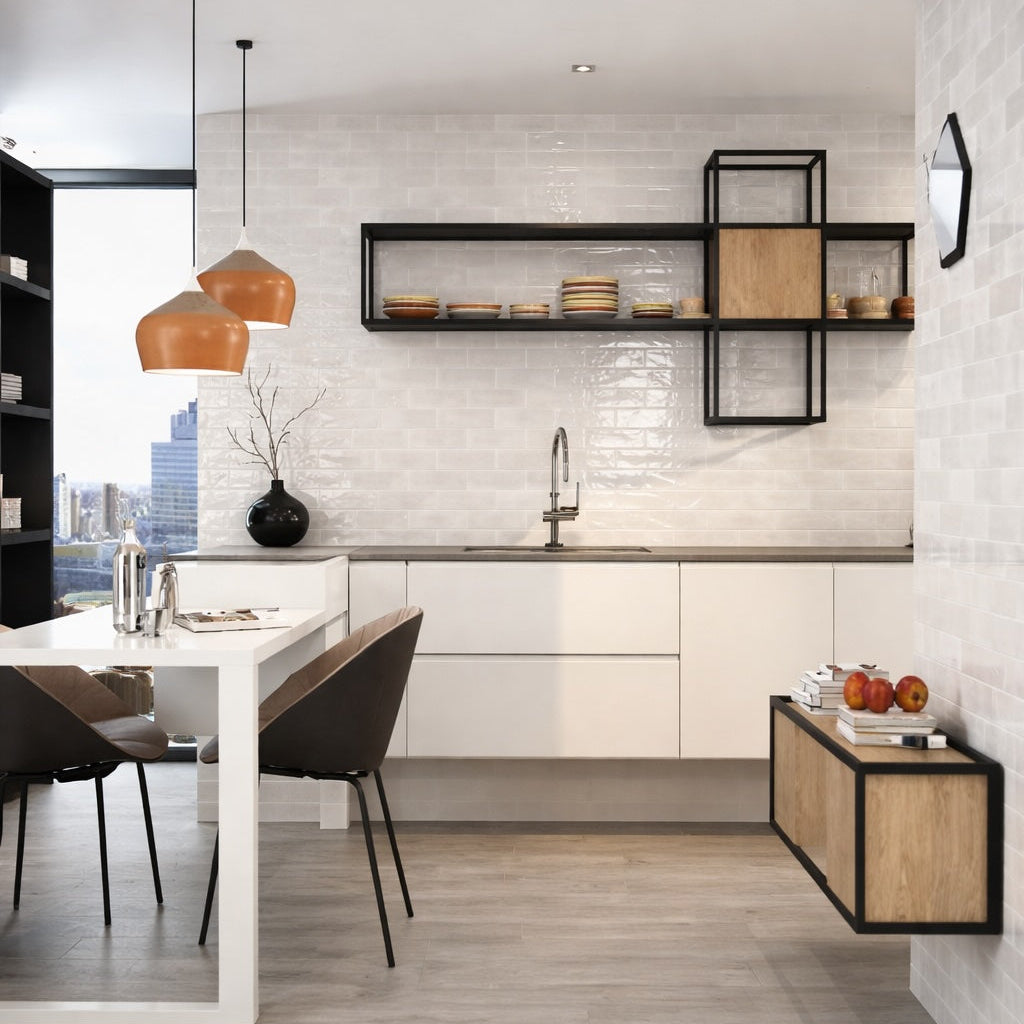
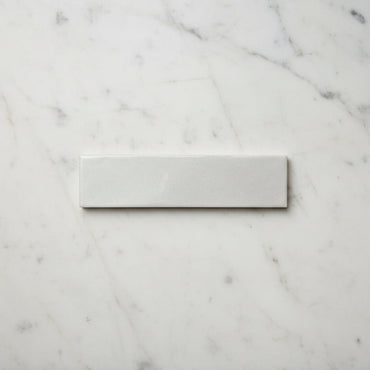
Opal White Gloss Wall Tiles 7.5x30cm
A crisp white wall tile with a glossy handcrafted-style finish that reflects light gently across the surface. Cleaner in tone...
£19.99 -
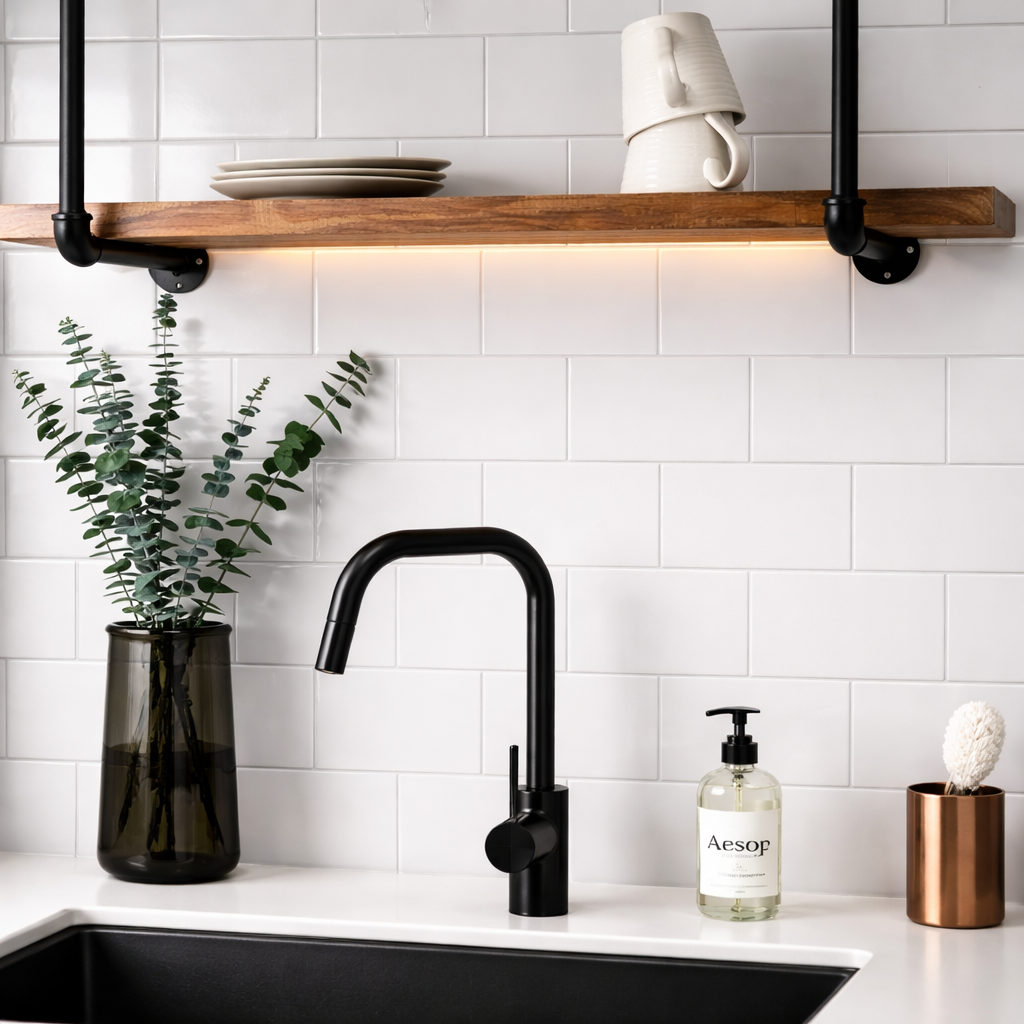
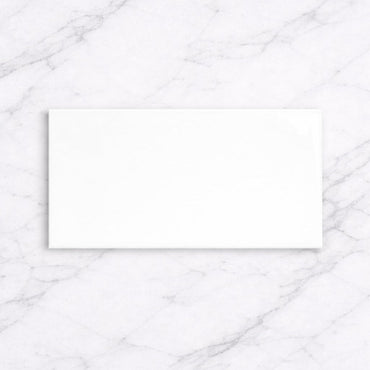
Underground White 10x20cm
Underground White 10x20cm The Metro White Flat Gloss Tile is a modern take on the classic metro look. With its smooth,...
£22.99 -
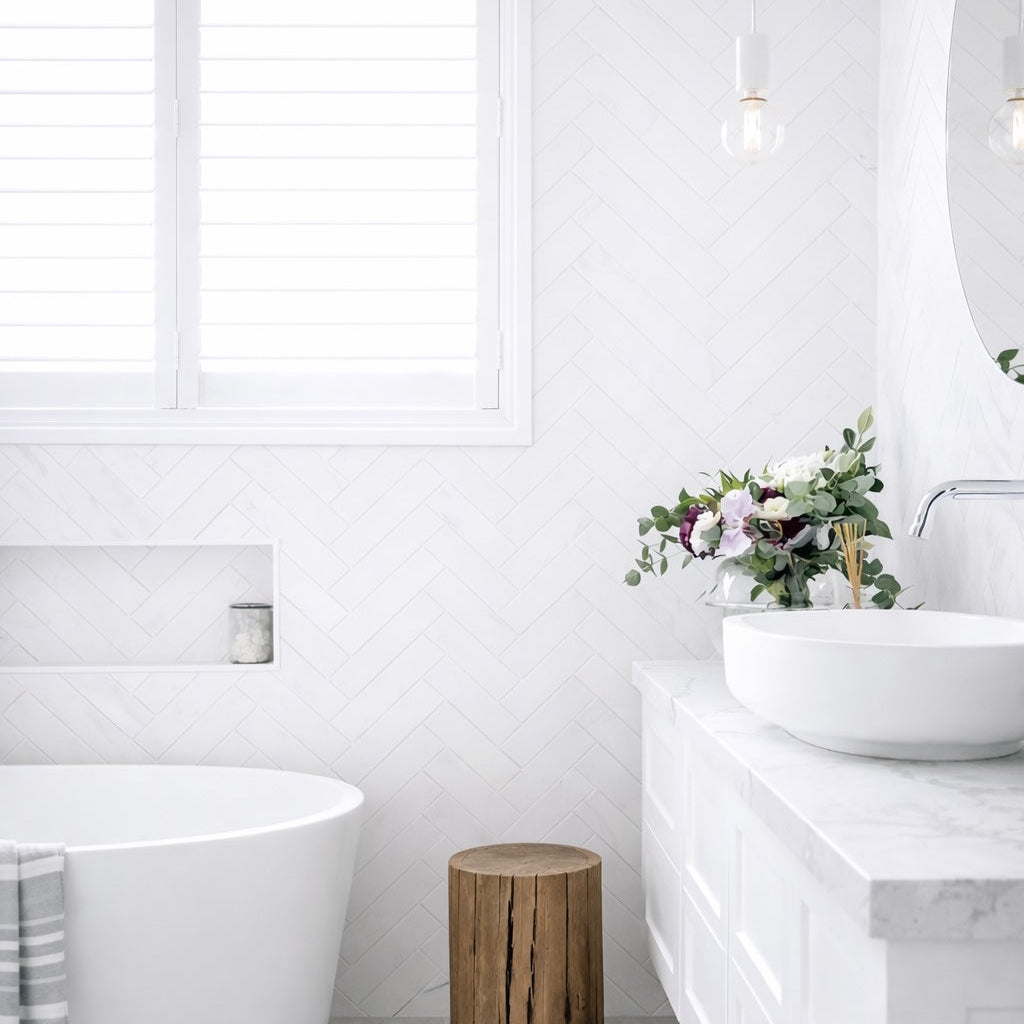
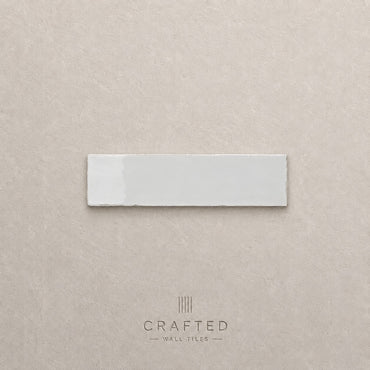
Countrywide White Handmade Effect Wall Tile 7.5x30cm
A classic white ceramic wall tile with softly irregular edges and a gentle glazed surface that gives the collection a...
£22.99 -
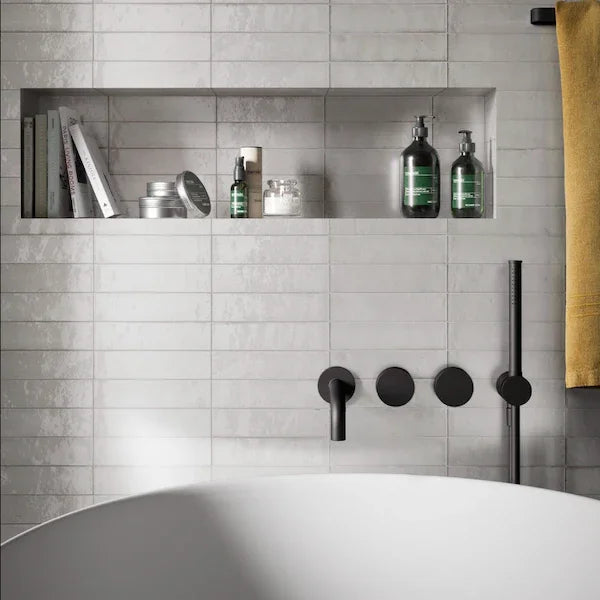
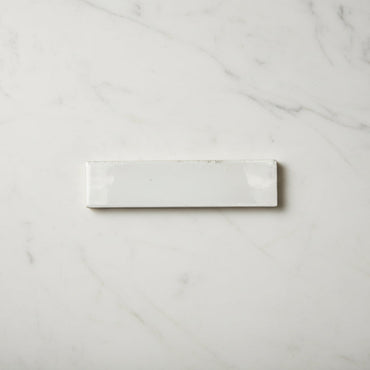
Lume White Wall And Floor Tiles 6x24cm
A crisp white porcelain wall tile with a highly reflective glazed finish and subtle handcrafted irregularities throughout the collection. The...
£32.99 -
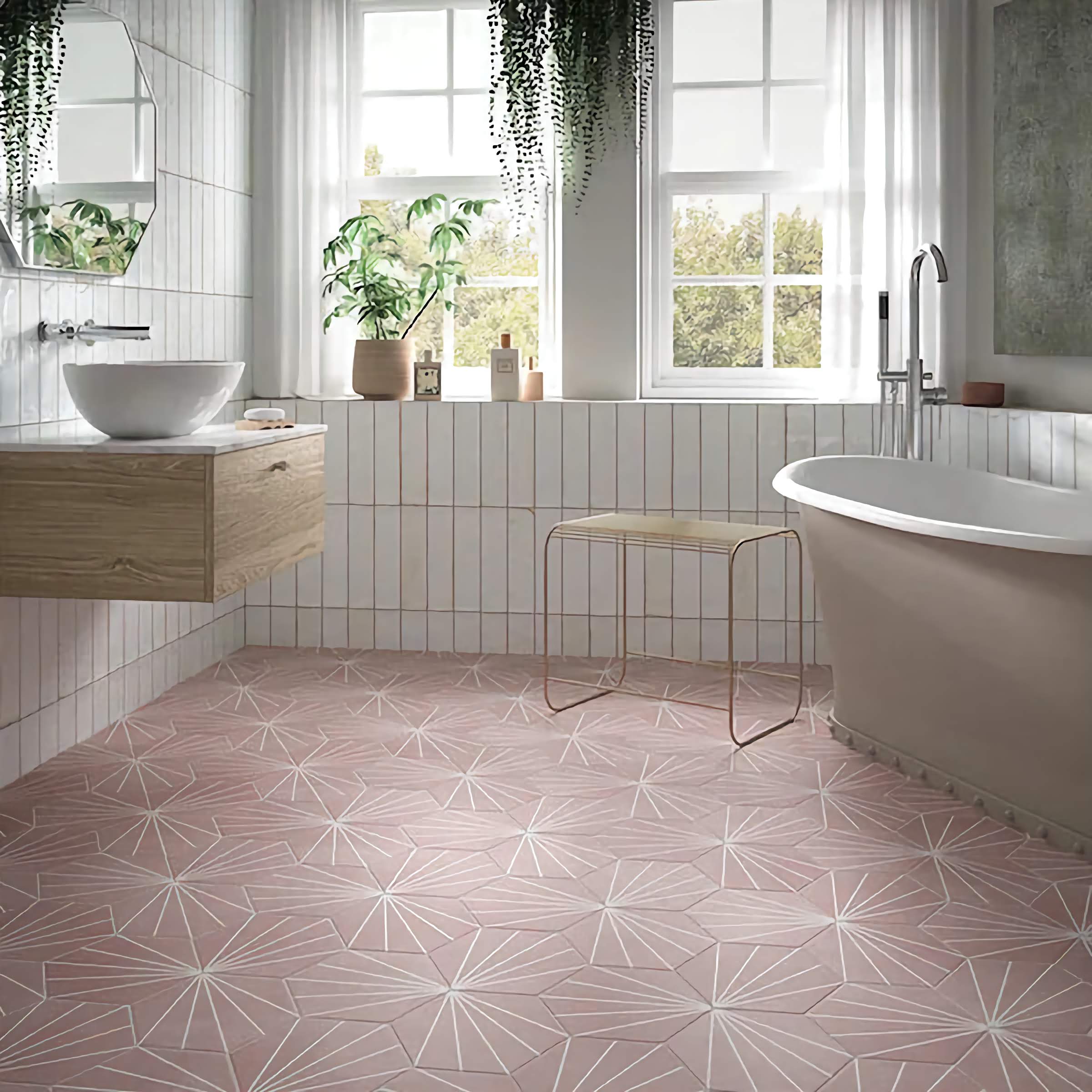
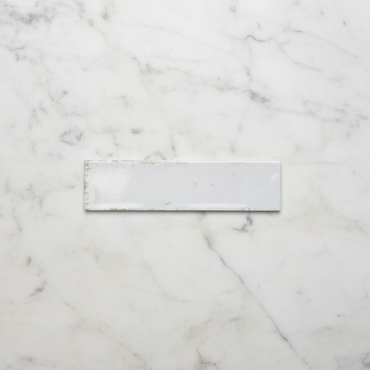
Verona Antique White Wall Tiles 7.5x30cm
Clean, bright and endlessly versatile, Verona White offers a fresh interpretation of the classic gloss brick tile. The reflective glazed...
£44.99 -
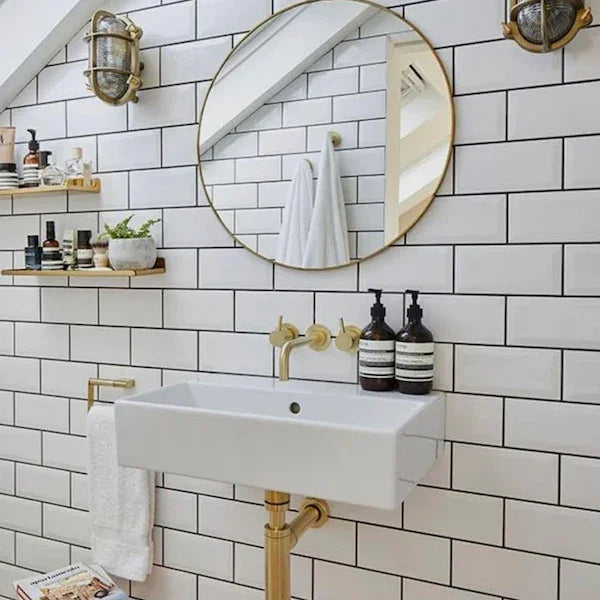
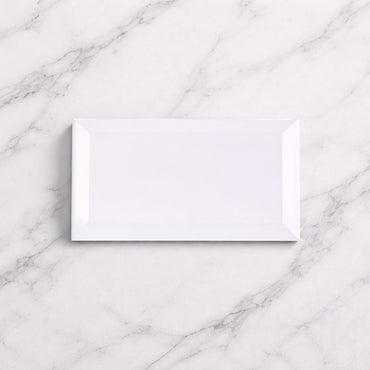
London White 10x20cm
London White 10x20cm Clean, bright, and endlessly versatile. The Metro White Gloss 10x20cm wall tile from Metro Tiles UK is...
£22.99 -
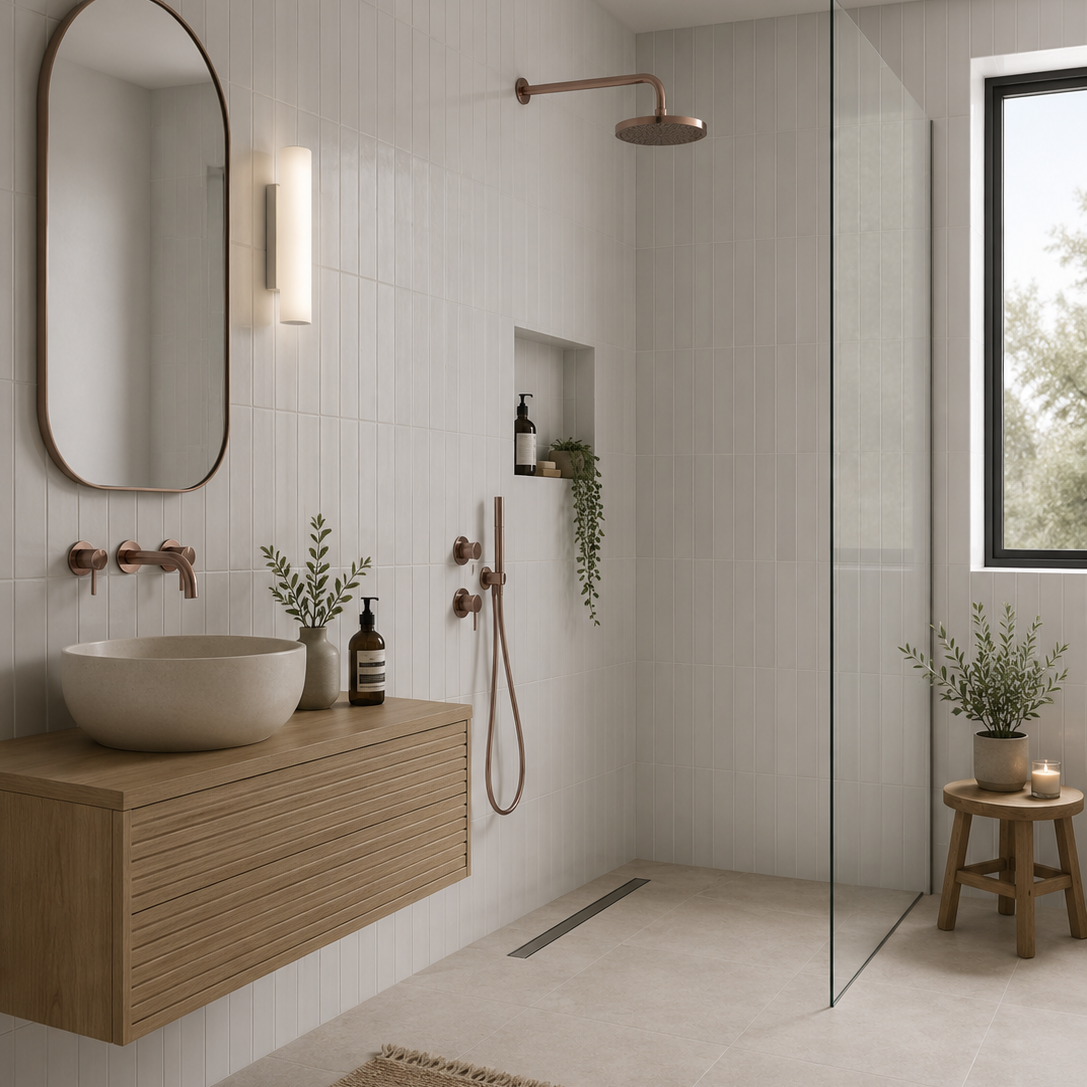
Sutton White Matt Porcelain Wall Tile 6x30cm
Simple, versatile and effortlessly timeless, Sutton White provides a fresh backdrop for both contemporary and traditional interiors. The matt finish...
£22.49 -
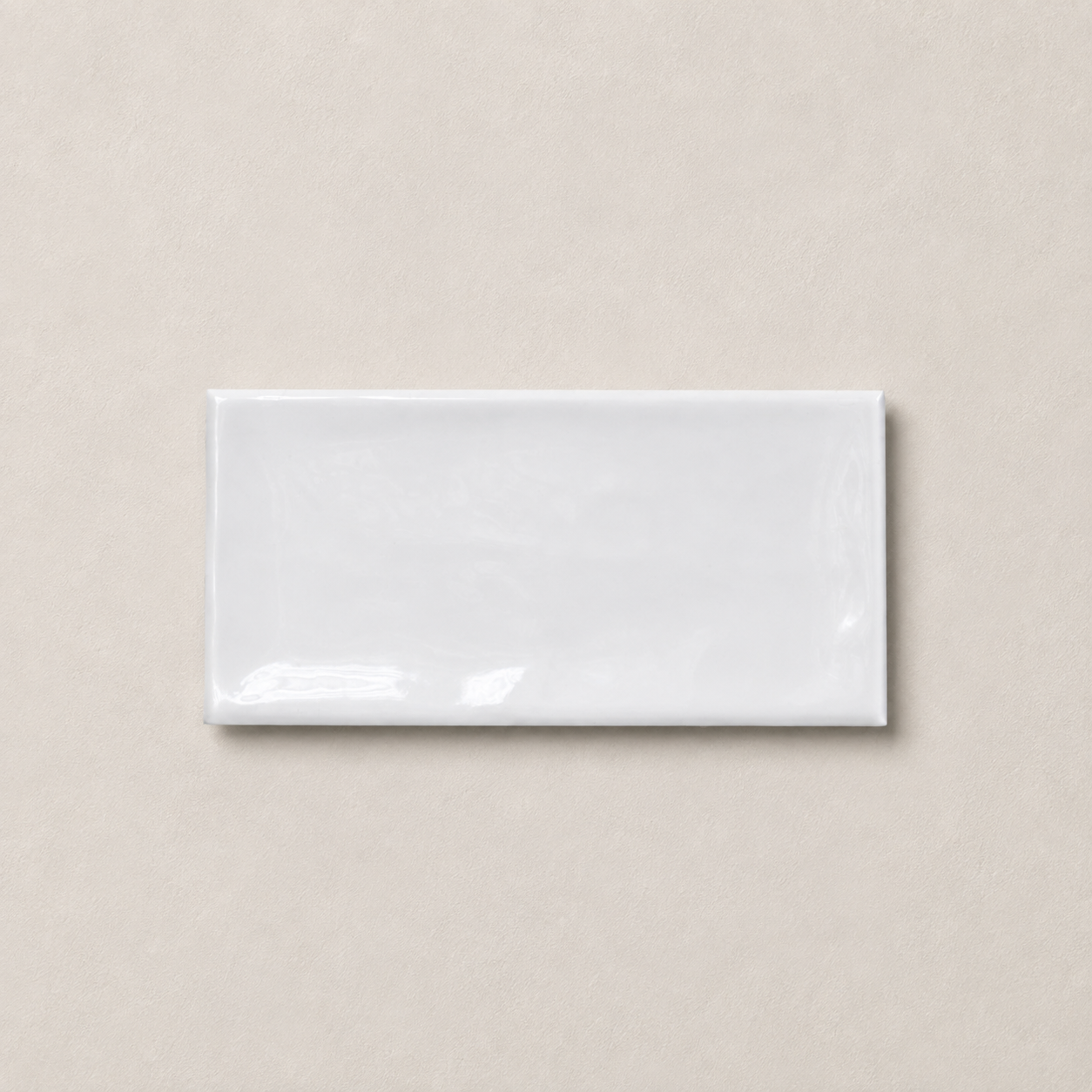
Victorian White Wall Tile 7.5x15cm
There is a reason white gloss tiles continue to appear in some of the most enduring interiors. Victorian White takes...
£17.99 -
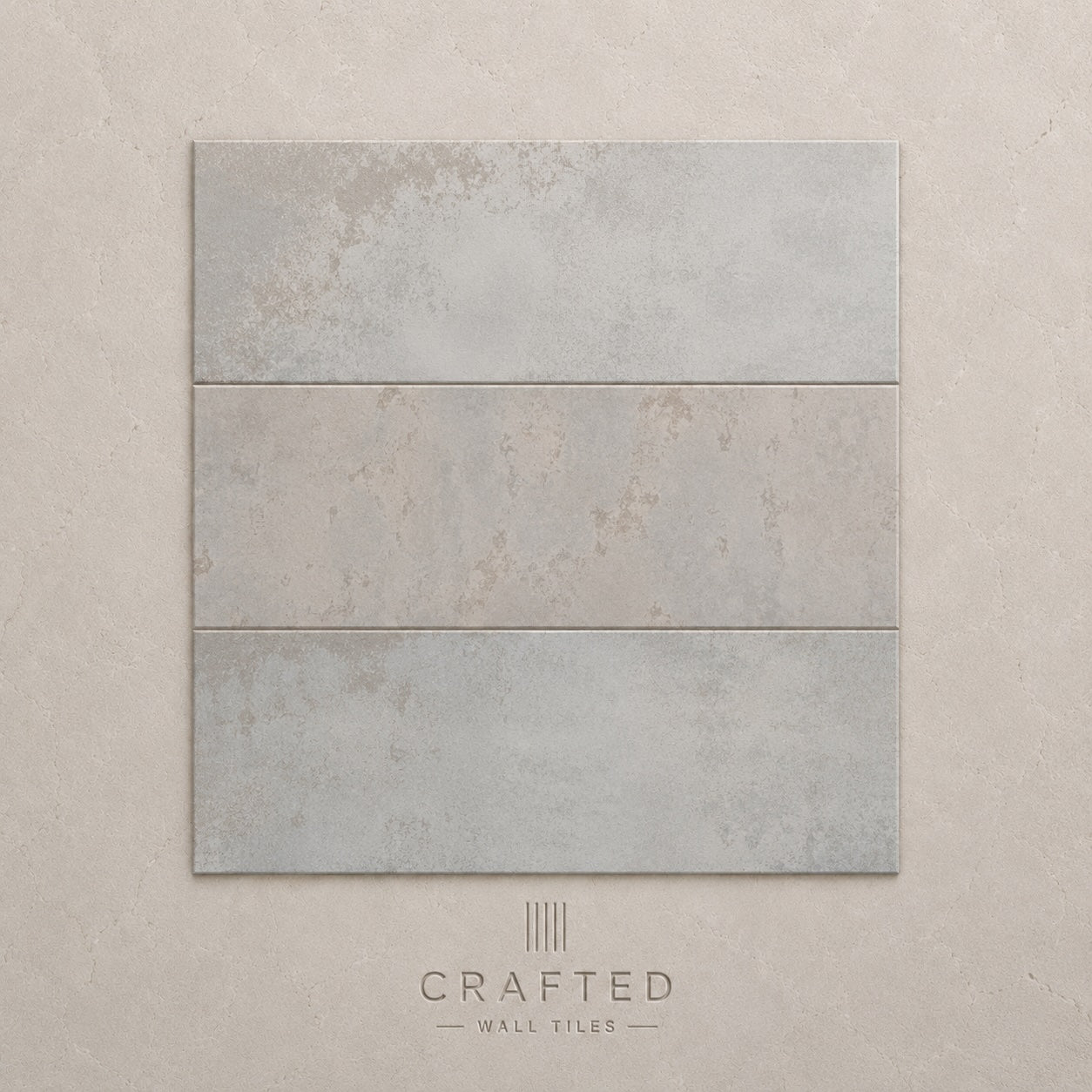
Precinct White Wall Tile 10x30cm
White remains one of the most enduring choices for interior walls, yet Precinct White offers far more character than a...
£44.99 -
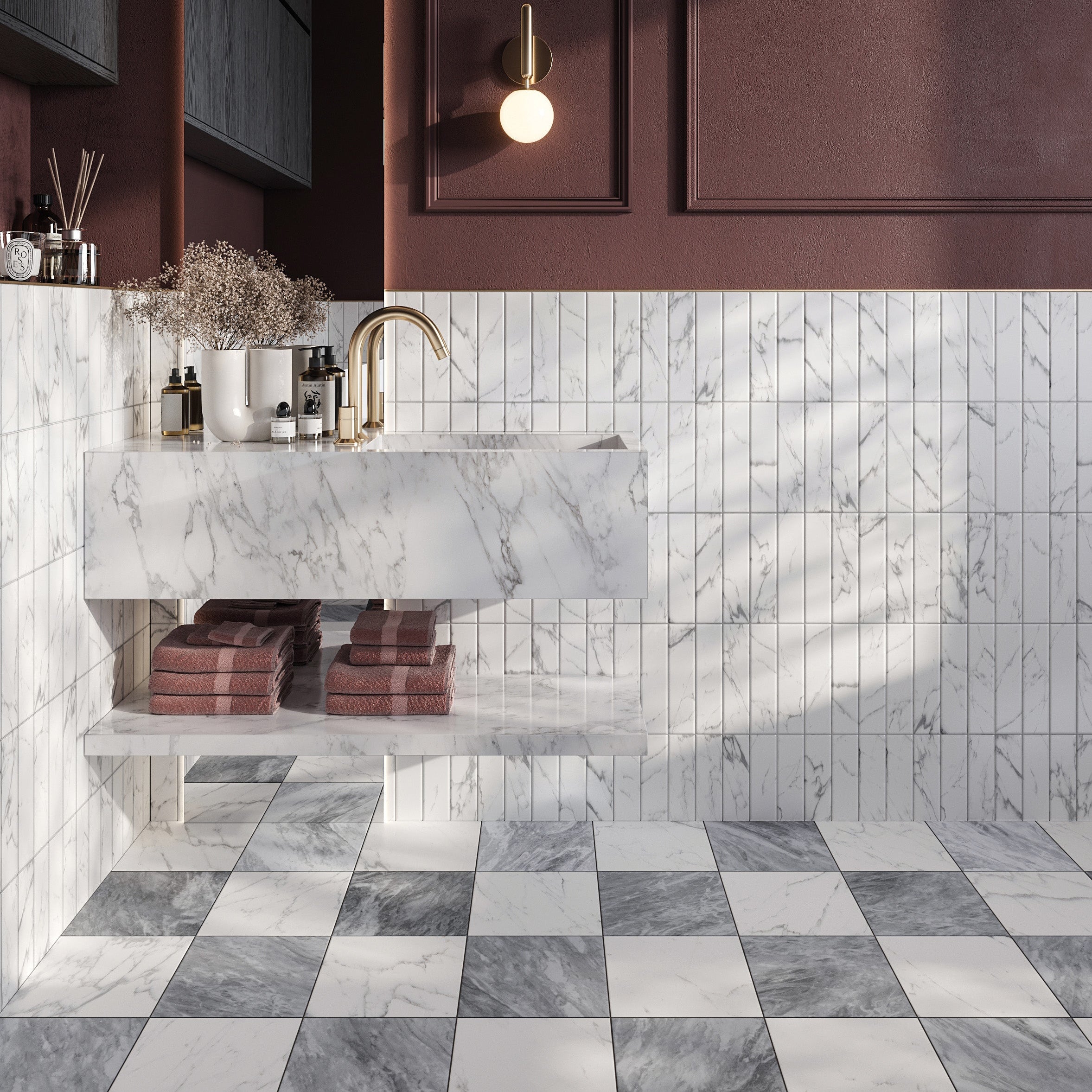
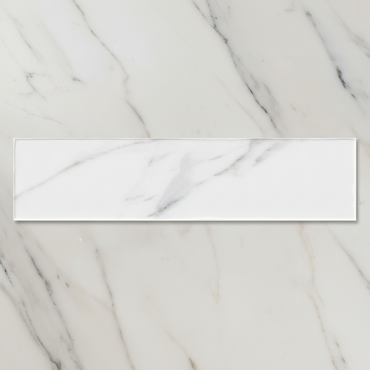
Chelsea White Marble Porcelain Tile 6x25cm
White has long been associated with marble, but Chelsea Marble White takes a softer approach. The textured matt finish removes...
£36.99 -


Mediterrano White Porcelain Wall Tile 5x40cm
A softer take on a classic white wall tile, Mediterrano White features delicate variation through the surface that gives the...
£46.99 -
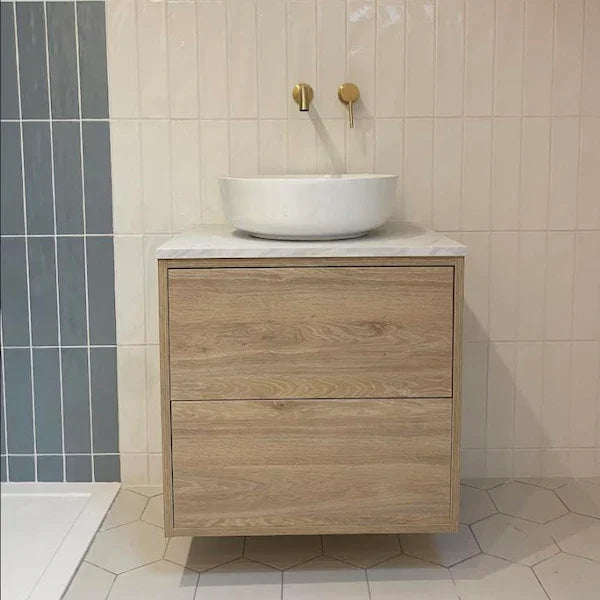
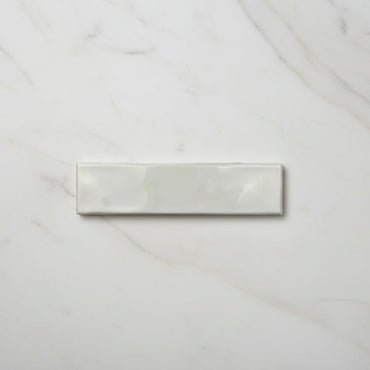
Handmade White Ripple Gloss Wall Tile 7.5x30cm
A crisp white ceramic wall tile with a softly textured ripple surface and handcrafted-style finish. The gloss glaze reflects light...
£19.99 -
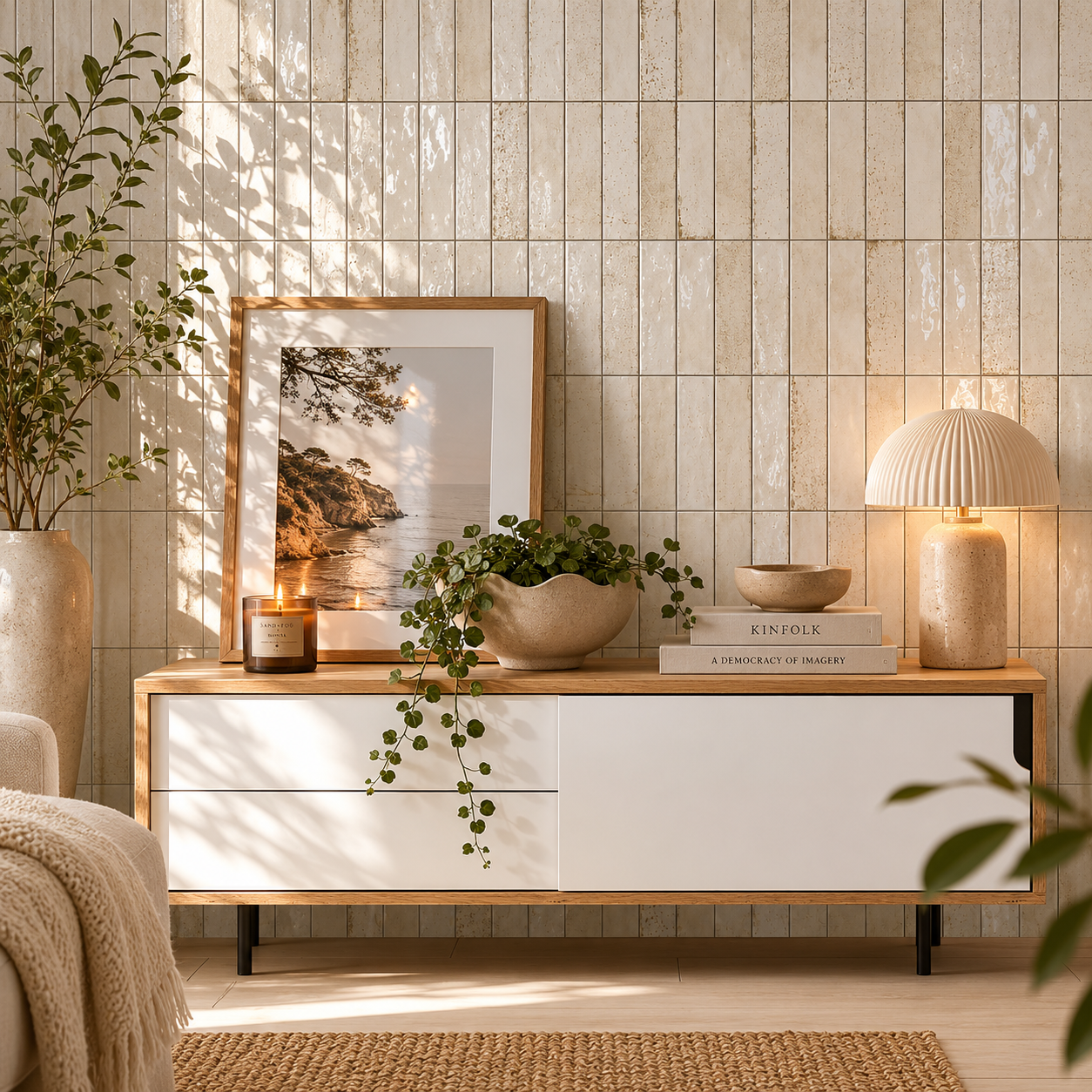
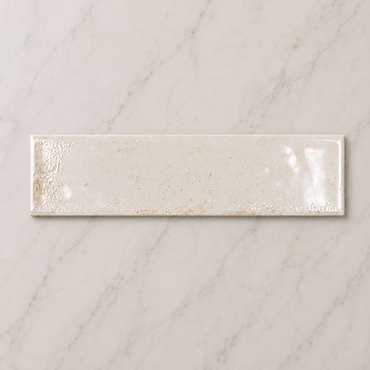
Rustic Porcelain Coconut White Wall Tile 30x7.5cm
A warm off-white porcelain wall tile with a rich gloss finish and subtle variation throughout the surface. Rustic Porcelain Coconut...
£27.99
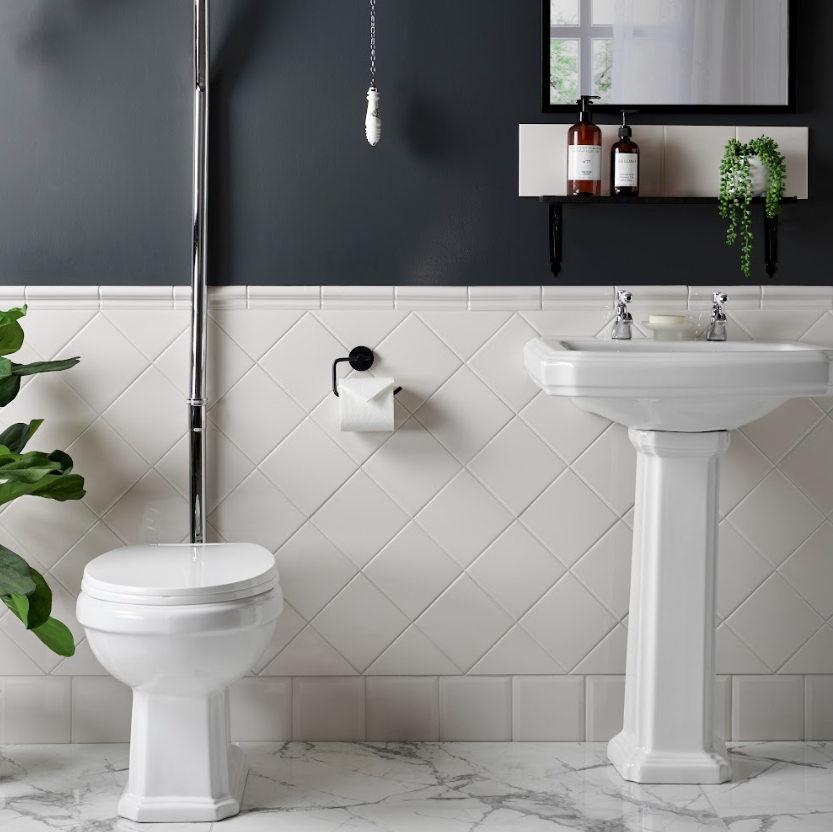


Is white actually the best choice for a small room?
Warm white or crisp white?
Why white tiles actually add depth
How grout changes a white tiled wall