

Collection: Artisan
Artisan wall tiles have a way of making a room feel less uniform and more individual. The term covers a surprisingly broad range of looks from softly irregular edges and gentle tonal variation to rippled surfaces, expressive glazes and more obviously handcrafted finishes. At Crafted, we've brought together a wide selection of artisan-inspired wall tiles, making it easier to find the right balance of colour, texture and character for your space.

-
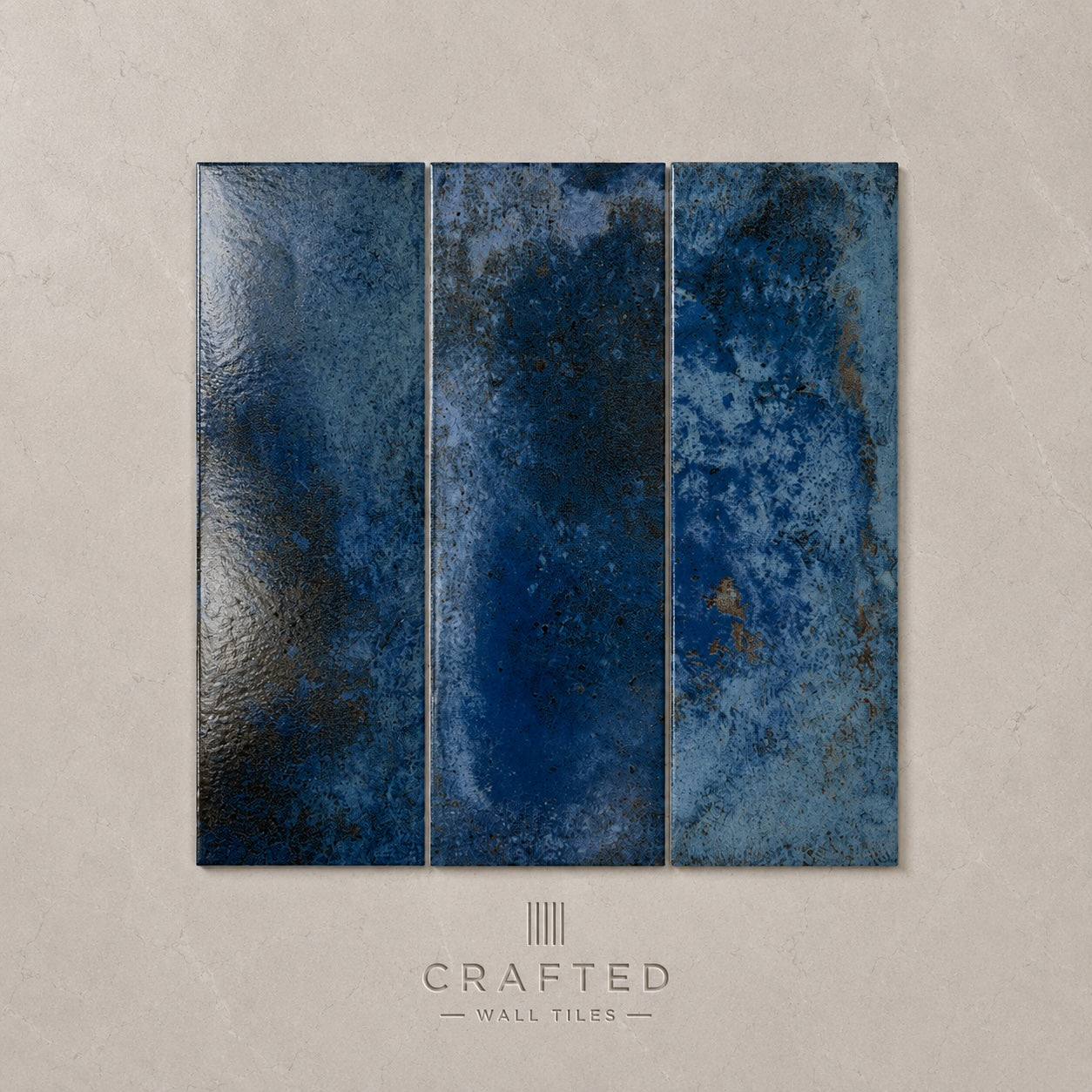
Precinct Blue Wall Tile 10x30cm
Confident without being overpowering, Precinct Blue introduces depth and atmosphere into interior spaces. The rich colour brings a sense of...
£44.99 -
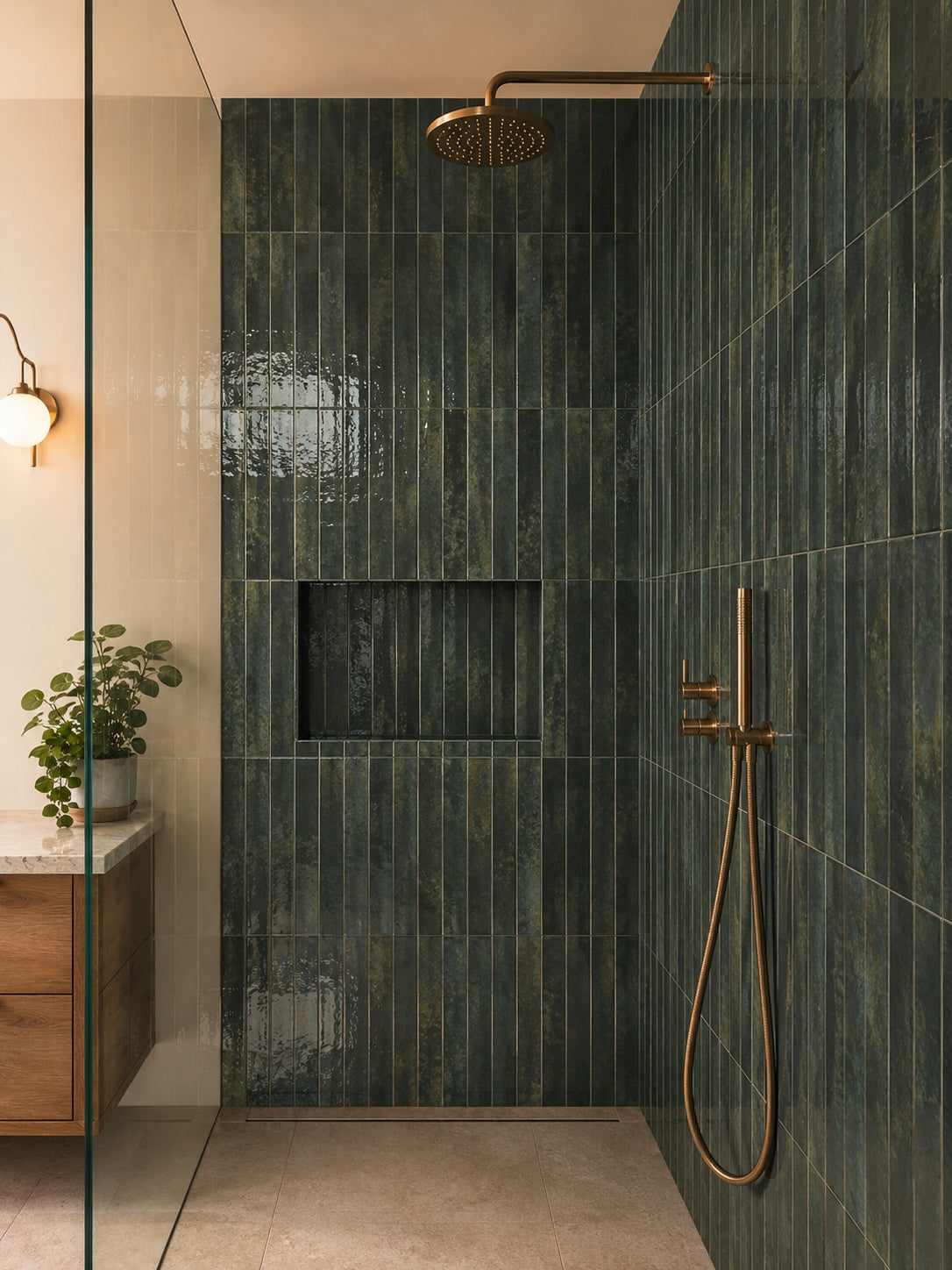
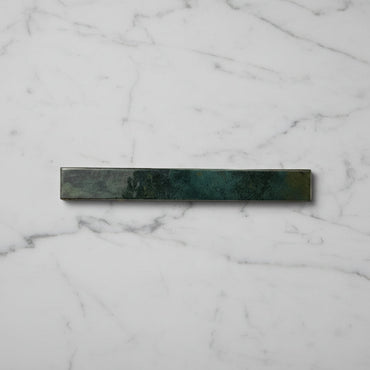
Bali Pine Green Wall Tile 5x40cm
Deep, grounding and quietly dramatic, Bali Pine Green introduces a richer palette to the collection. The colour draws inspiration from...
£24.99 -


Mediterrano Golden Clay Porcelain Wall Tile 5x40cm
Golden Clay introduces a muted ochre warmth inspired by raw clay and faded mineral pigments. The soft variation within the...
£46.99 -


Mediterrano Cream Porcelain Wall Tile 5x40cm
Mediterrano Cream sits somewhere between warm white and soft stone, offering a gentle neutral base with understated tonal movement throughout...
£46.99 -


Mediterrano Orange Porcelain Wall Tile 5x40cm
Muted terracotta tones give Mediterrano Orange a warmth reminiscent of sun-baked clay and Mediterranean plaster walls. Softer and more chalky...
£46.99 -


Mediterrano White Porcelain Wall Tile 5x40cm
A softer take on a classic white wall tile, Mediterrano White features delicate variation through the surface that gives the...
£46.99 -


Mediterrano Sage Porcelain Wall Tile 5x40cm
Mediterrano Sage brings together soft green tones and subtle surface variation to create a calm, understated wall tile inspired by...
£46.99 -


Mediterrano Blue Porcelain Wall Tile 5x40cm
A muted blue porcelain tile with soft tonal movement and a smooth matt finish. The colour feels washed and relaxed...
£46.99 -
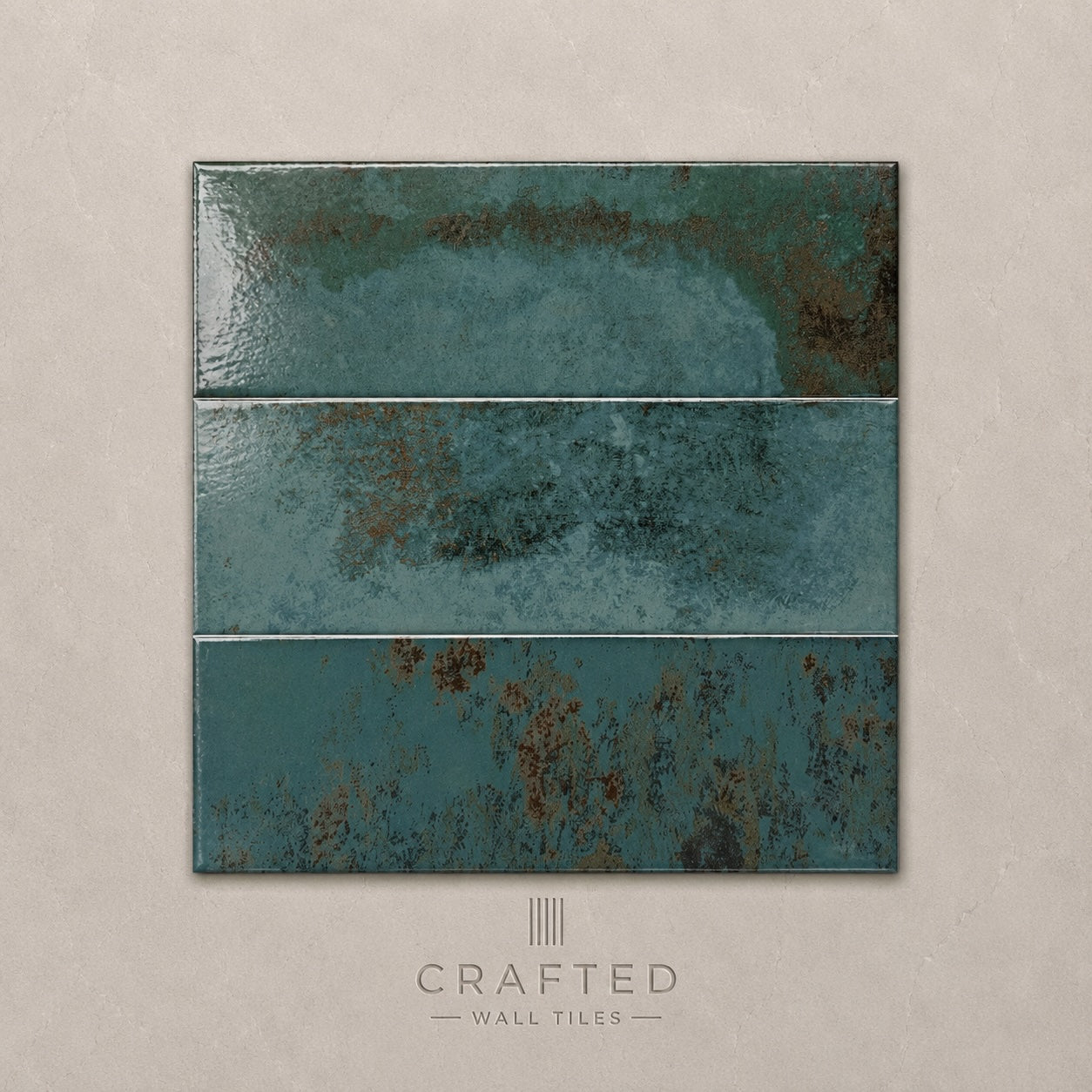
Precinct Turquoise Wall Tile 10x30cm
Vibrant, expressive and full of personality, Precinct Turquoise is designed for interiors that embrace colour with confidence. Inspired by artisan...
£44.99 -
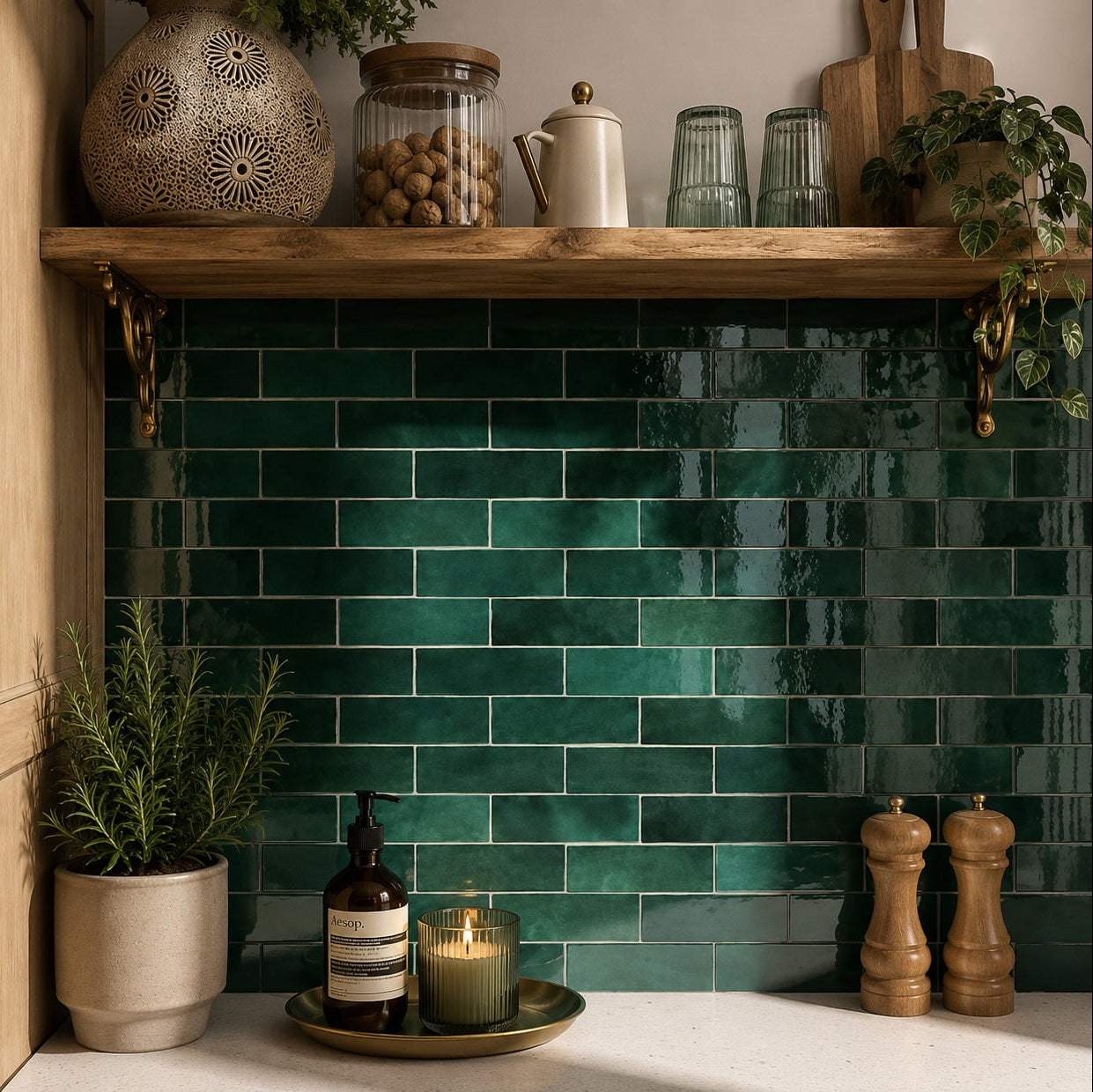
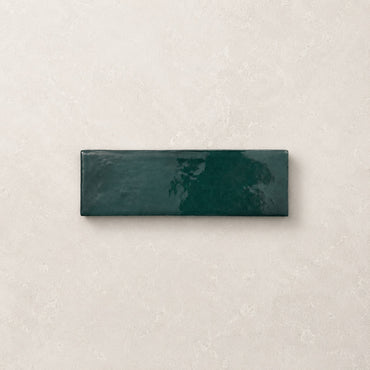
Artesano Green Wall Tiles 6.5x20cm
Inspired by the natural world, Artesano Green feels both restorative and grounding. The rich green tone brings a sense of...
£46.99 -
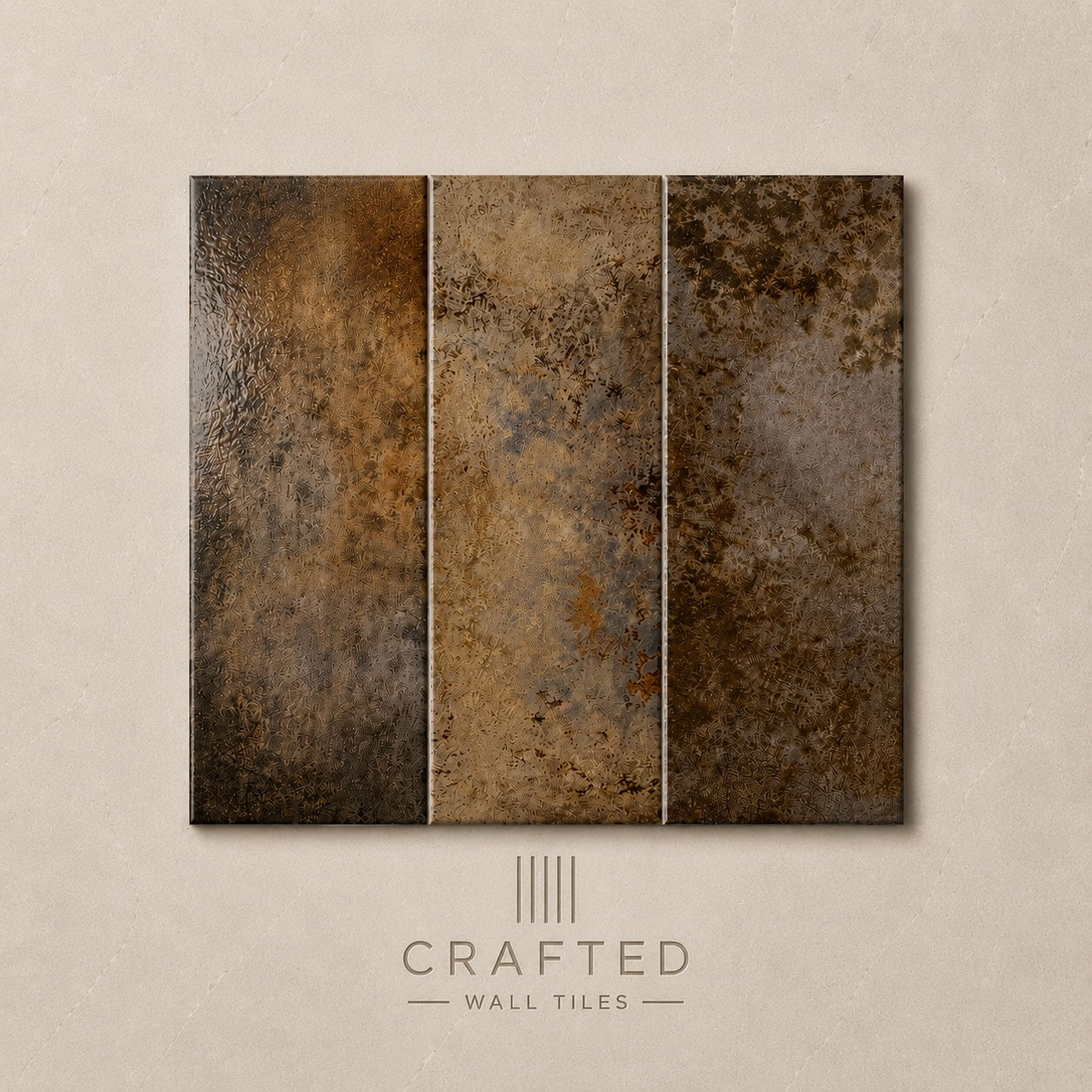
Precinct Caramel Wall Tile 10x30cm
Warm, earthy and full of character, Precinct Caramel draws inspiration from natural clay tones and sunlit Mediterranean interiors. The rich...
£44.99 -
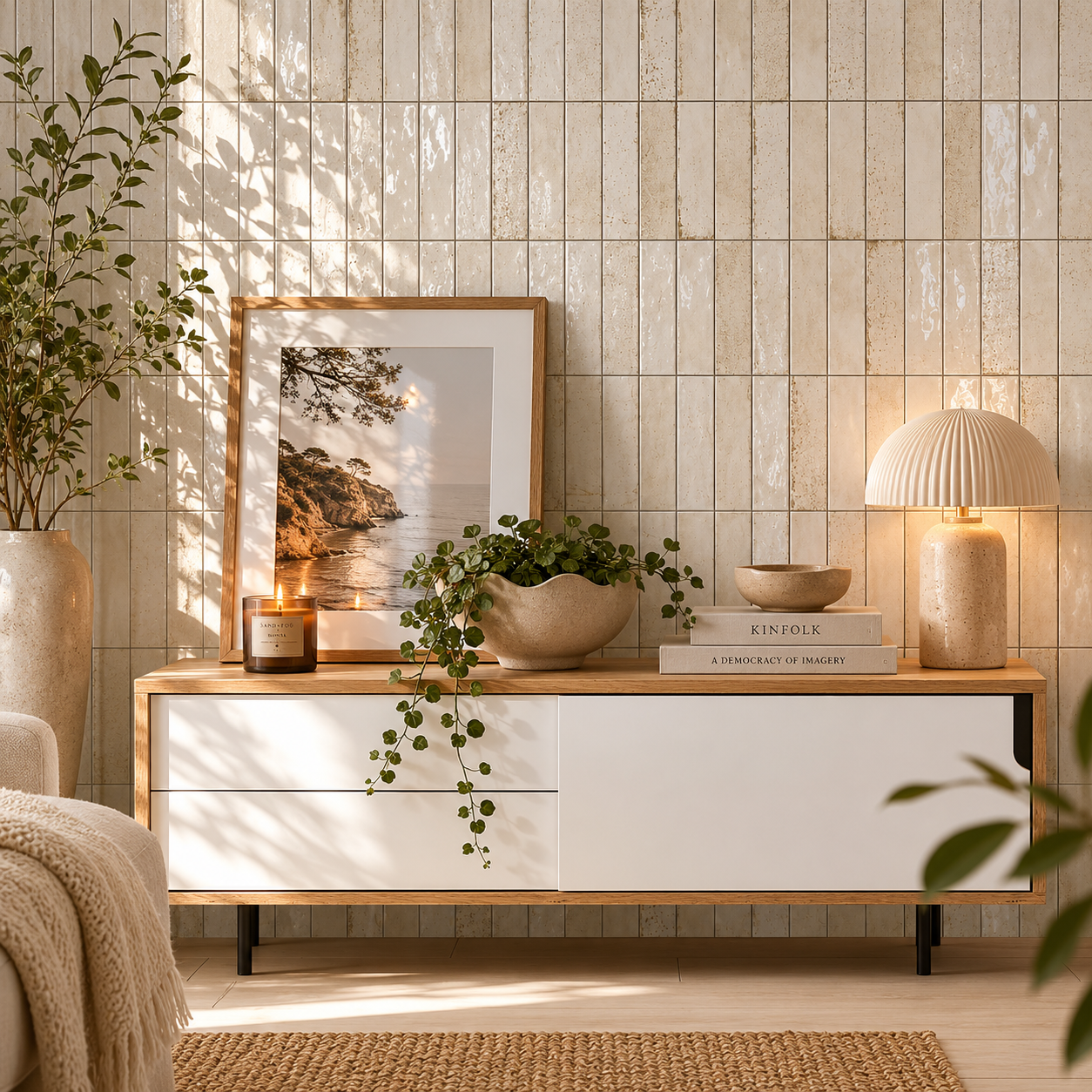
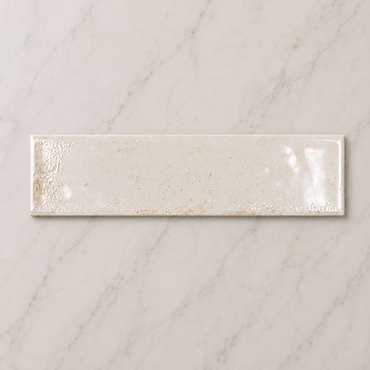
Rustic Porcelain Coconut White Wall Tile 30x7.5cm
A warm off-white porcelain wall tile with a rich gloss finish and subtle variation throughout the surface. Rustic Porcelain Coconut...
£27.99 -


Mediterrano Bone Porcelain Wall Tile 5x40cm
A pale mineral-toned porcelain tile with soft movement and a smooth matt surface. Mediterrano Bone feels understated and architectural, offering...
£46.99 -
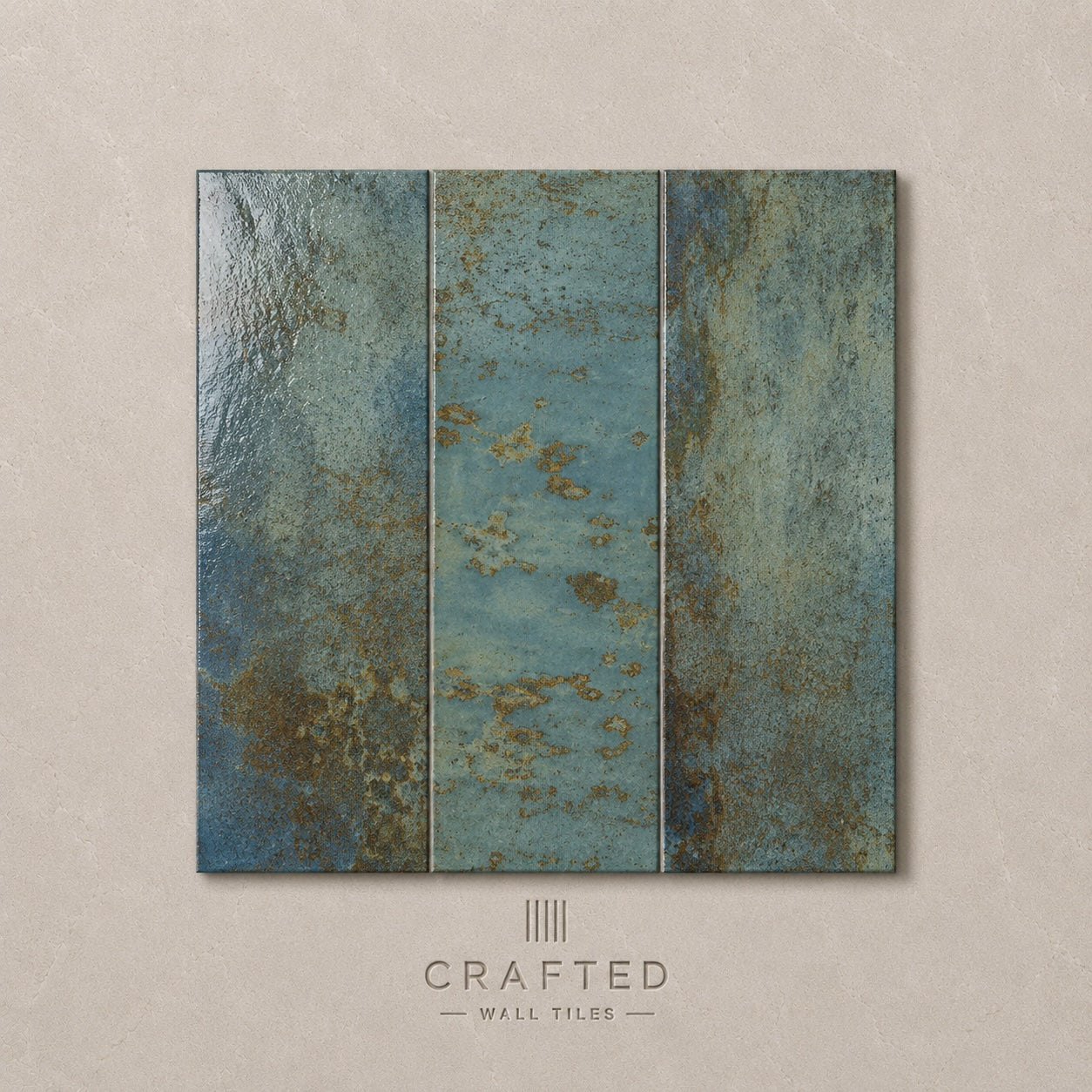
Precinct Aqua Wall Tile 10x30cm
Fresh and uplifting, Precinct Aqua captures the relaxed atmosphere of coastal interiors while maintaining a sophisticated, contemporary feel. The soft...
£44.99 -
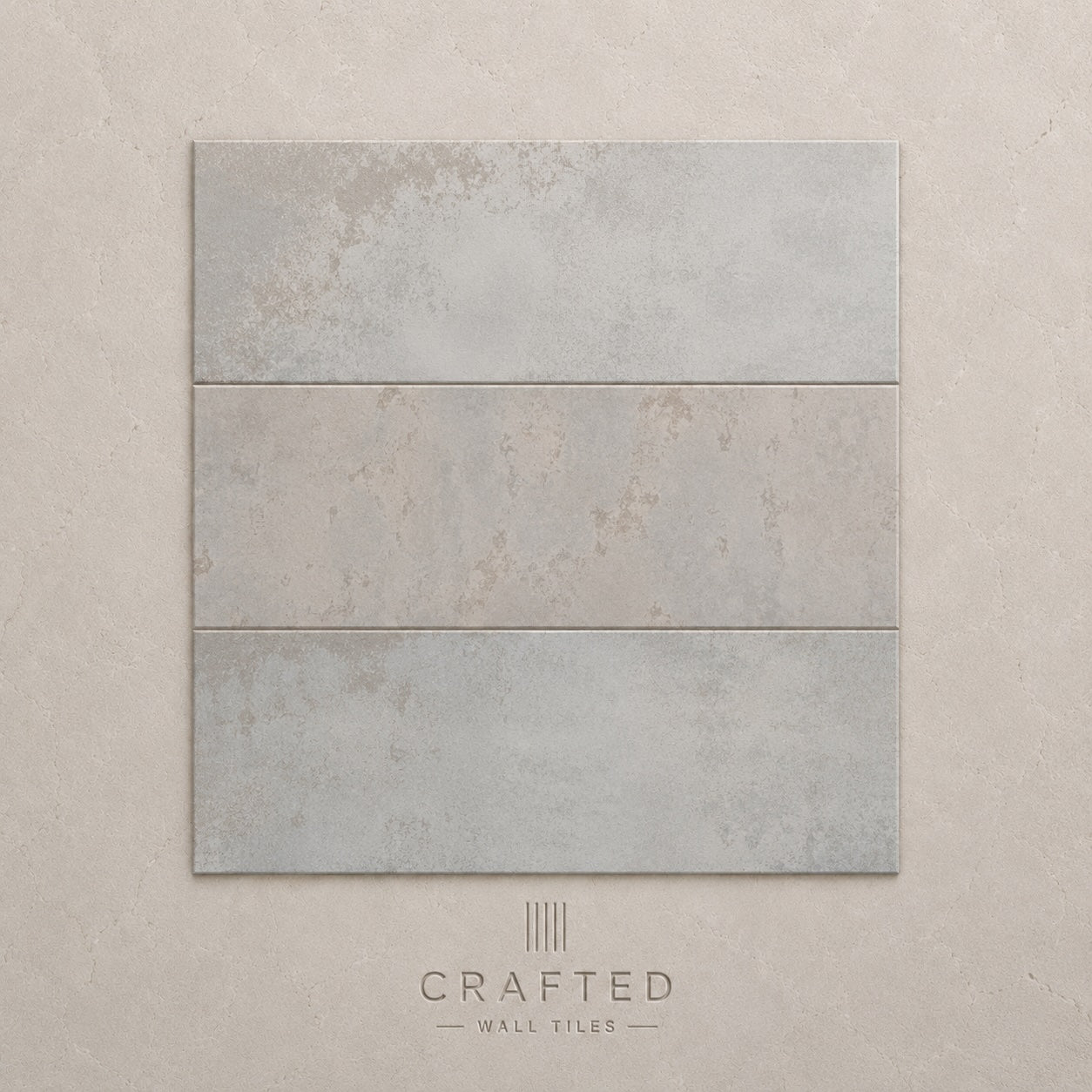
Precinct White Wall Tile 10x30cm
White remains one of the most enduring choices for interior walls, yet Precinct White offers far more character than a...
£44.99 -
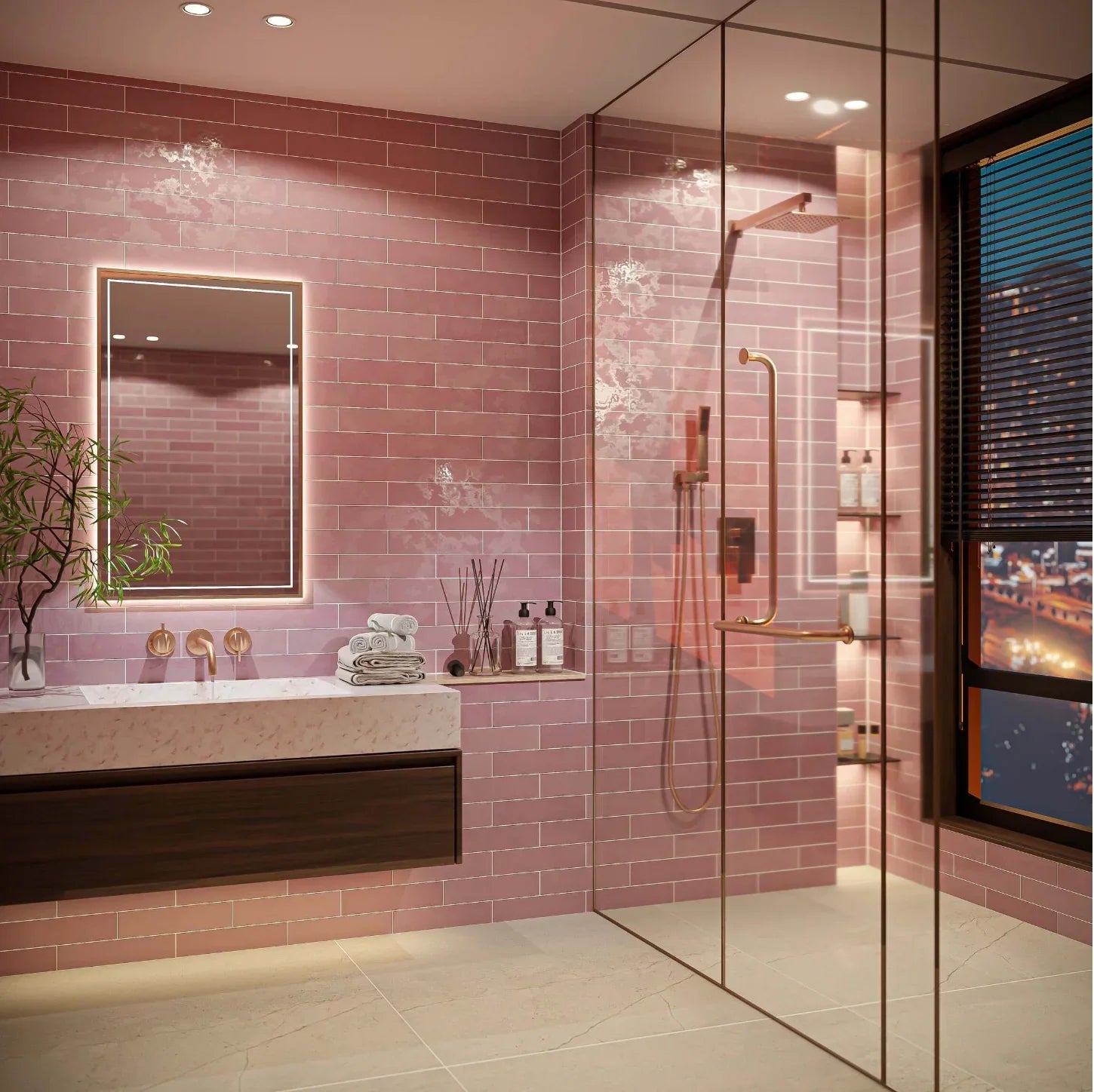
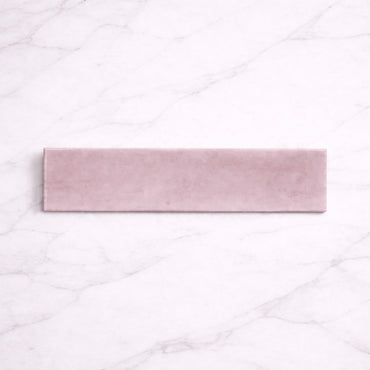
Opal Pink Gloss Wall Tiles 7.5x30cm
A softened pink wall tile with a rich gloss finish and gentle handcrafted character. The reflective glaze gives the colour...
£19.99 -
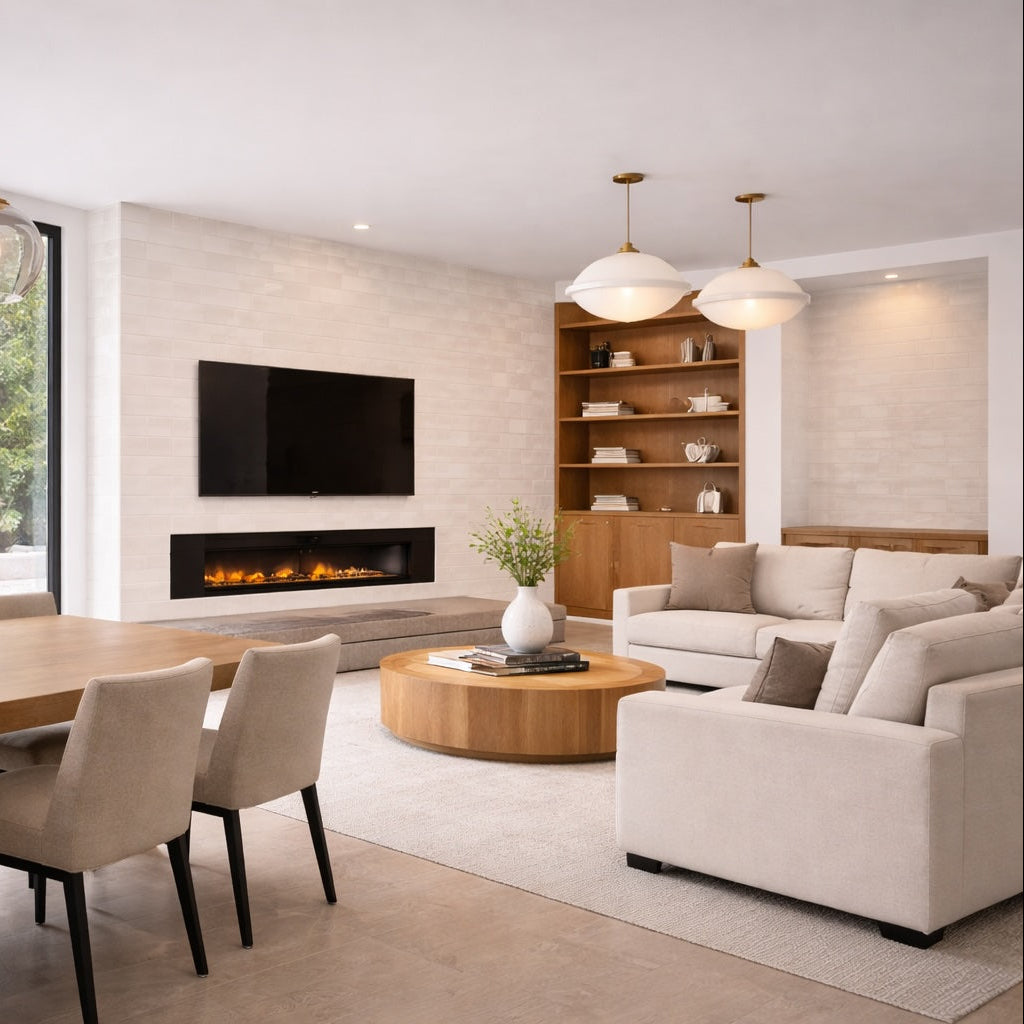
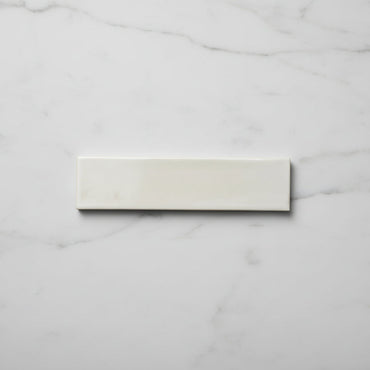
Opal Ivory Gloss Wall Tiles 7.5x30cm
Opal Ivory offers a softer alternative to bright white, combining warm neutral tones with a reflective glazed finish and subtle...
£19.99 -
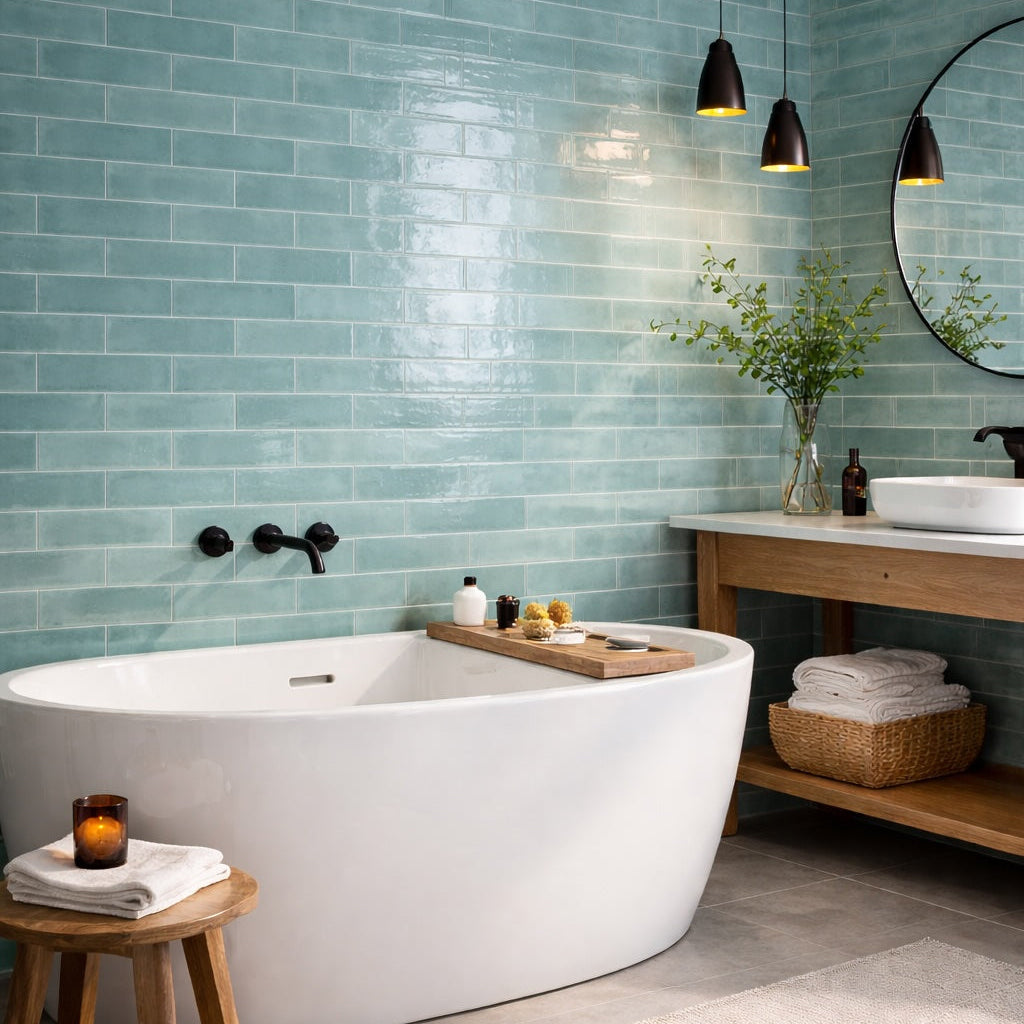
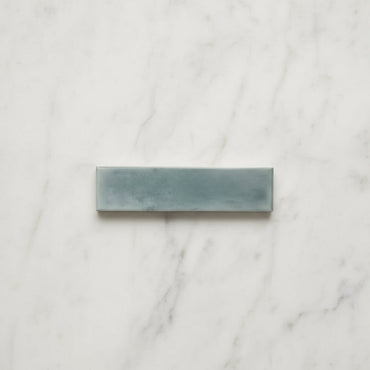
Opal Turquoise Gloss Wall Tiles 7.5x30cm
Opal Turquoise combines vibrant coastal tones with a richly glazed surface that brings movement and depth across the wall. The...
£19.99 -
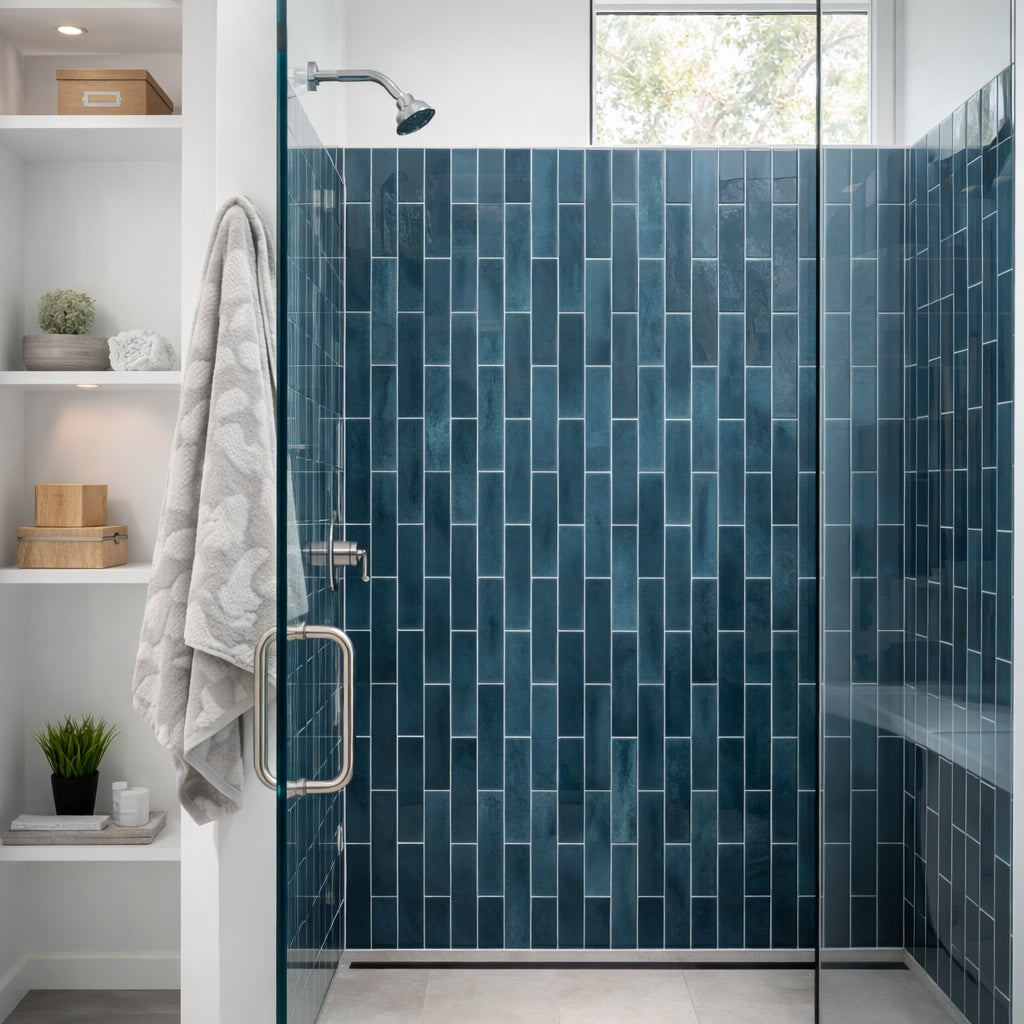
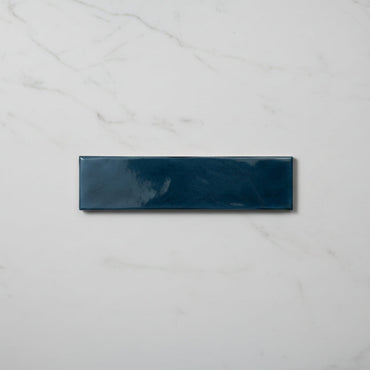
Opal Marine Gloss Wall Tiles 7.5x30cm
Deeper blue tones and a rich reflective glaze give Opal Marine a moodier, more dramatic feel than the lighter colours...
£19.99 -
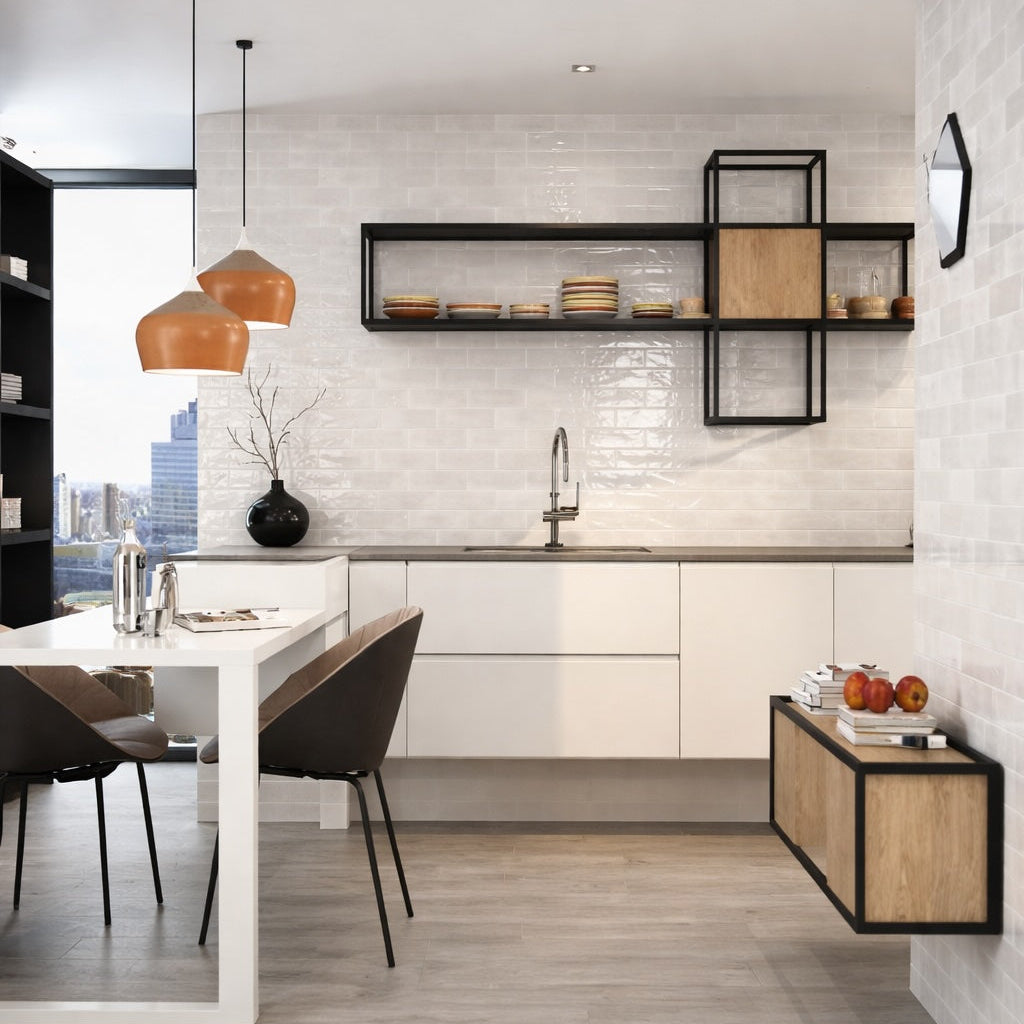
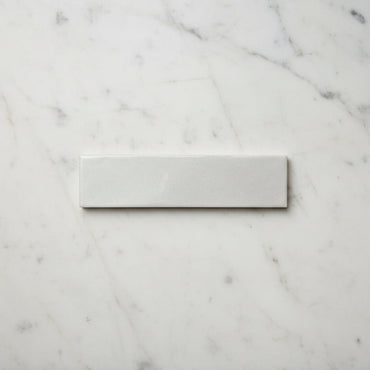
Opal White Gloss Wall Tiles 7.5x30cm
A crisp white wall tile with a glossy handcrafted-style finish that reflects light gently across the surface. Cleaner in tone...
£19.99 -
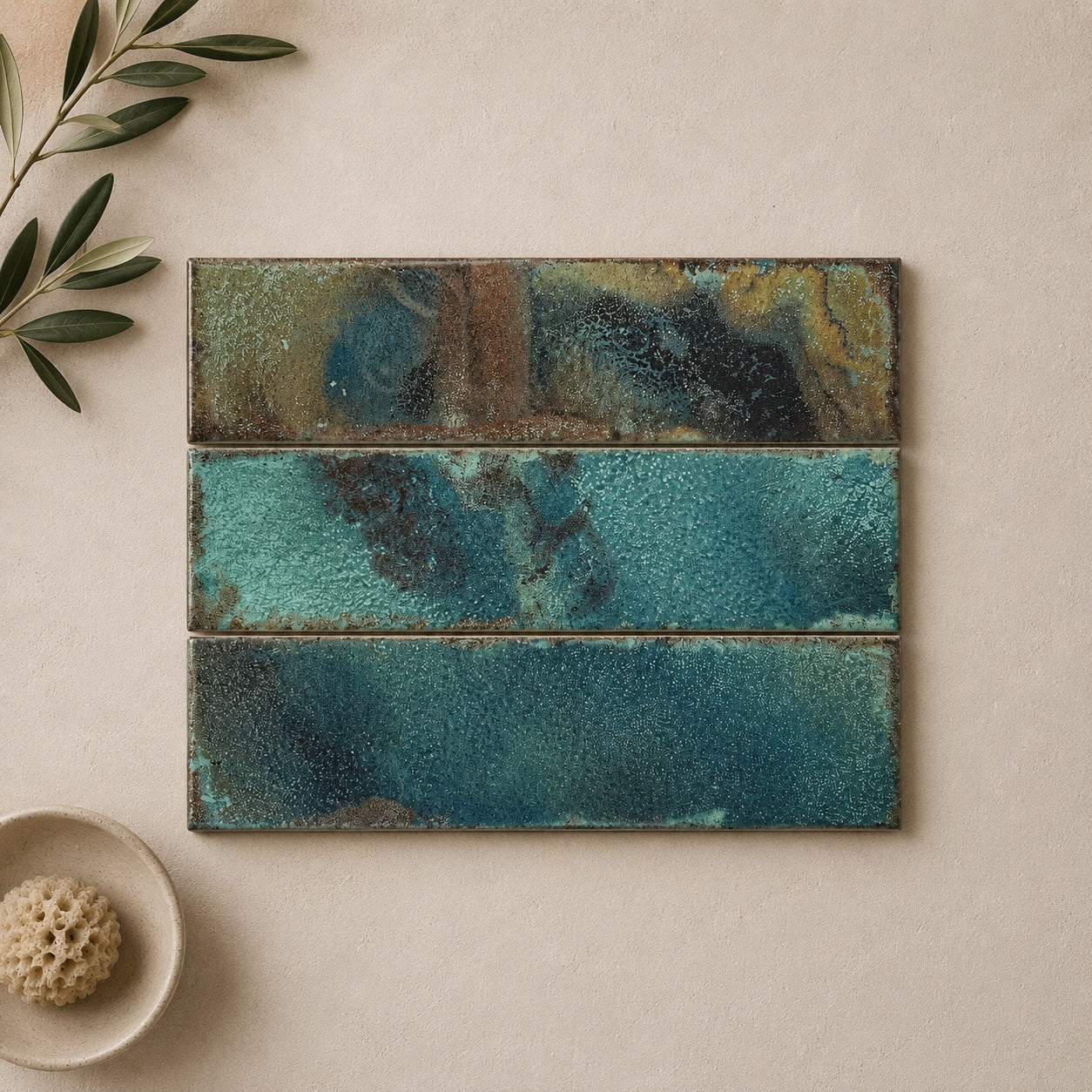
Realm Green Wall Tile 31.5x8cm
Realm Green captures the charm of traditional handcrafted ceramics while feeling entirely at home in contemporary interiors. The rich green...
£28.39 -
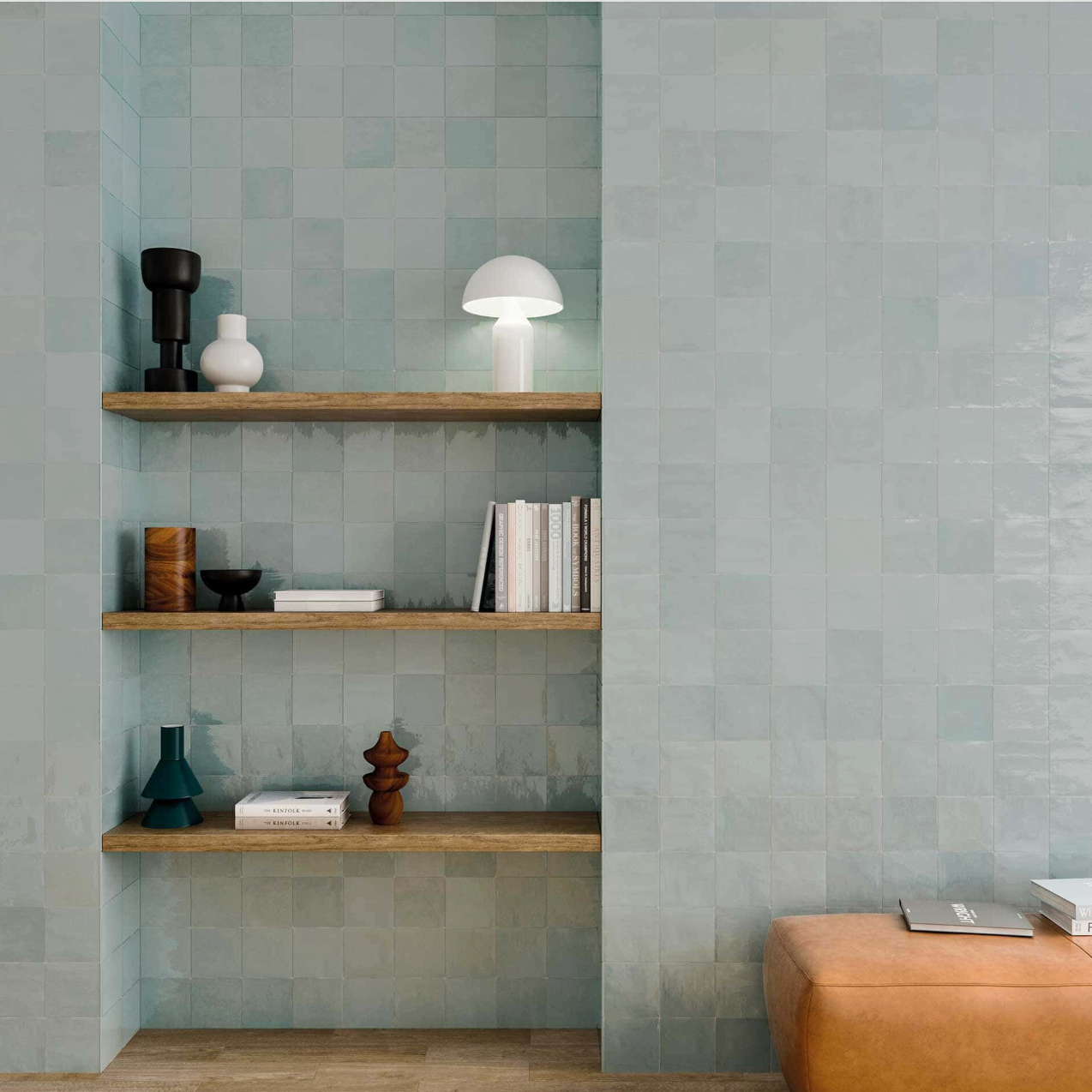
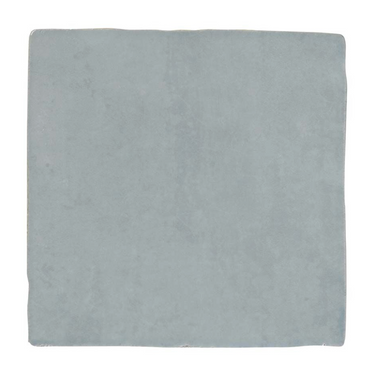
Zellige Light Blue Wall Tiles 13x13cm
A gentle blue wall tile inspired by coastal tones and traditional handcrafted ceramics. The glossy surface introduces depth and light,...
£31.99 -
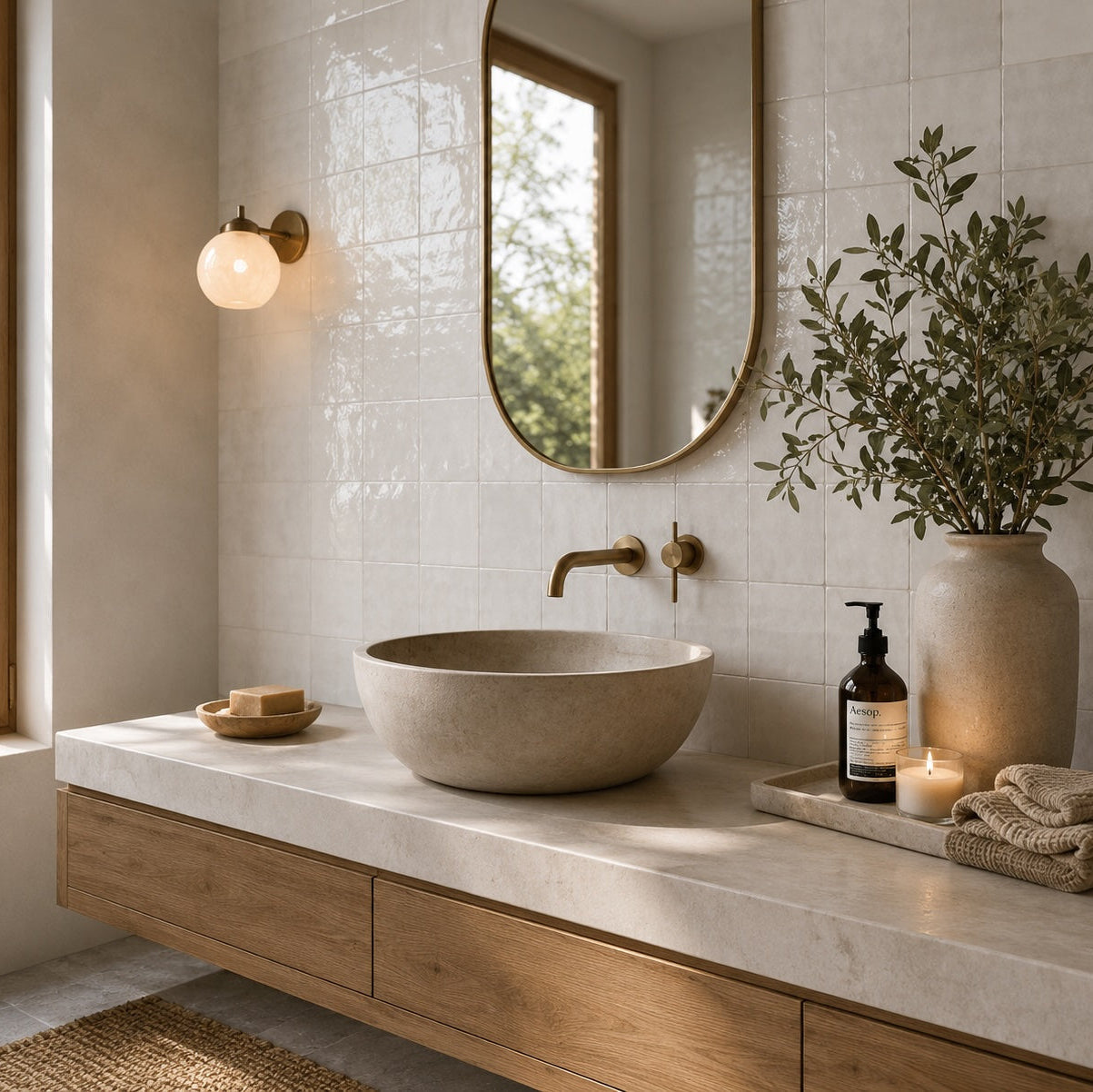
Zellige Pearl White Wall Tiles 13x13cm
A timeless white wall tile with softly irregular handmade edges and a glossy glazed finish. Simple in colour yet rich...
£31.99 -
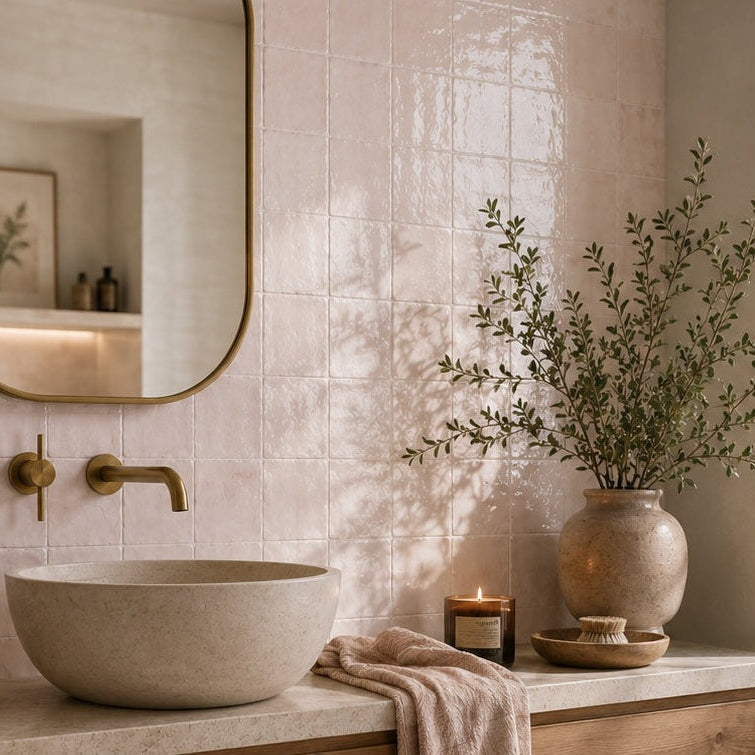
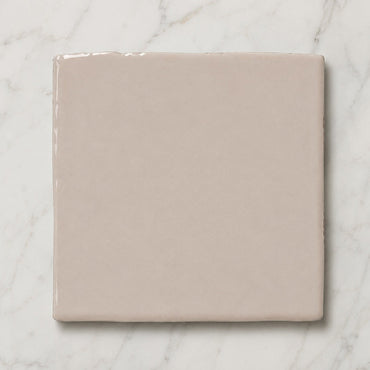
Zellige Pink Blush Wall Tiles 13x13cm
Soft blush tones and handcrafted detailing give Zellige Pink a warm, relaxed character. The gloss finish enhances the depth of...
£31.99


What actually makes a tile feel artisan?
Finding the right level of character
Why handmade character works so well with modern interiors
Choosing between glaze, texture and tonal variation