Skip to content
Code CRFTD15 for £15 off
Free Shipping on Orders over £399.

Collection: Artesano

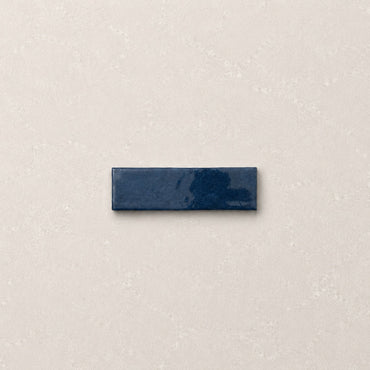
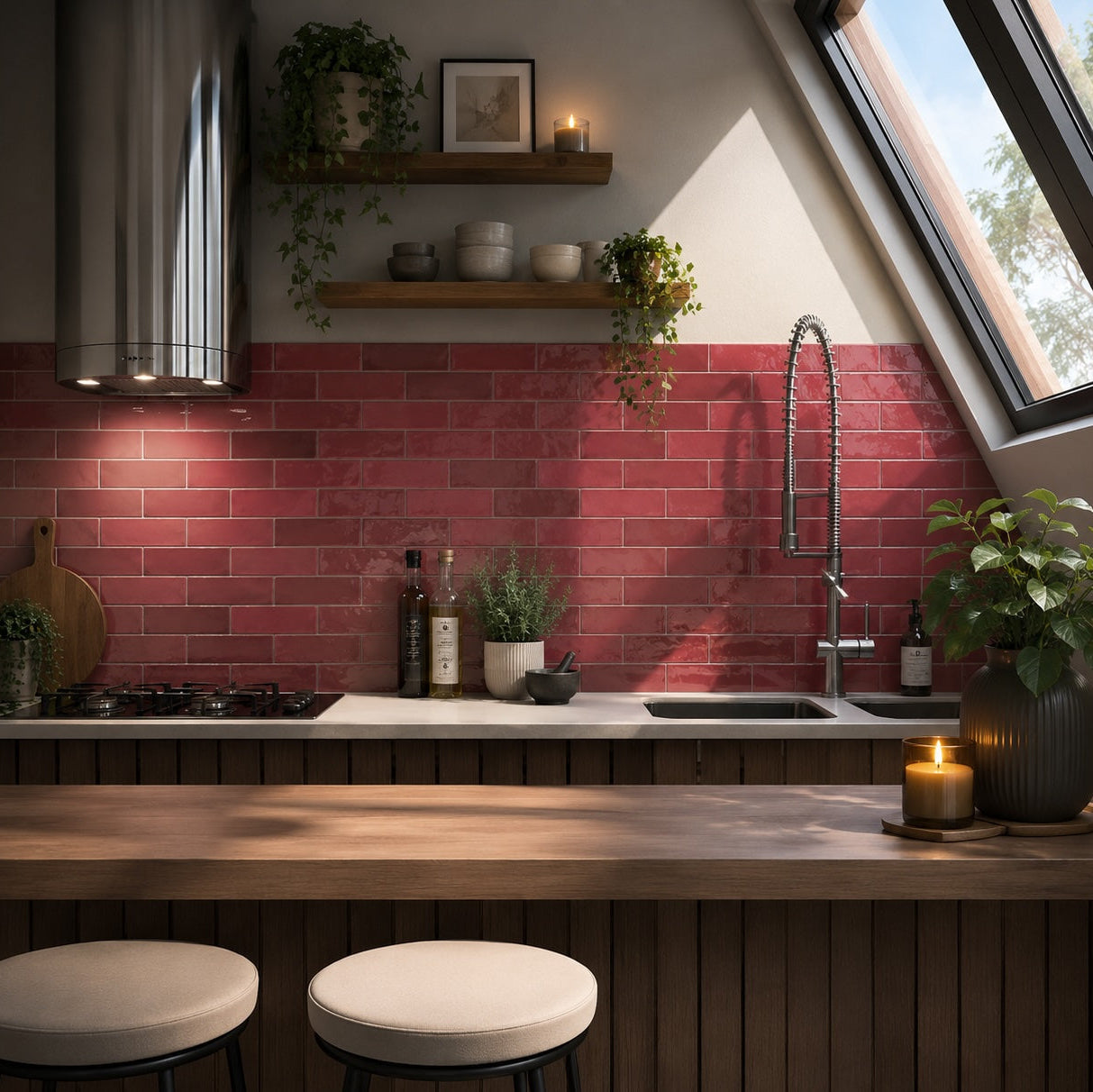
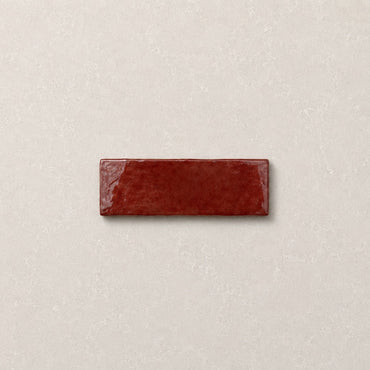
Artesano sits somewhere between the precision of a modern ceramic tile and the softer appearance of something made by hand. Its gently irregular edges and subtle shifts in colour give the individual pieces a little character, while the 6.5 × 20cm format keeps the overall installation neat and versatile. The palette ranges from fresh White and Aqua through to richer Green, Blue, Rose and Burgundy.

6 products

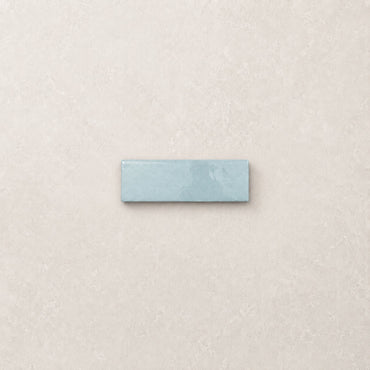
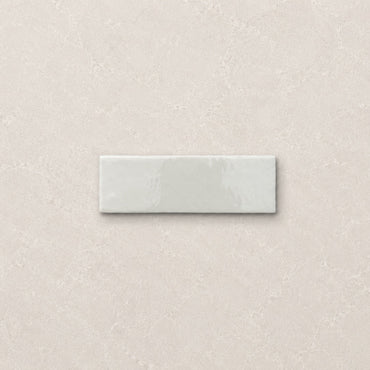
  • Artesano Aqua Wall Tiles 6.5x20cm

    There’s something inherently calming about Aqua. Soft enough to feel timeless yet distinctive enough to bring personality into a space,...

    £46.99
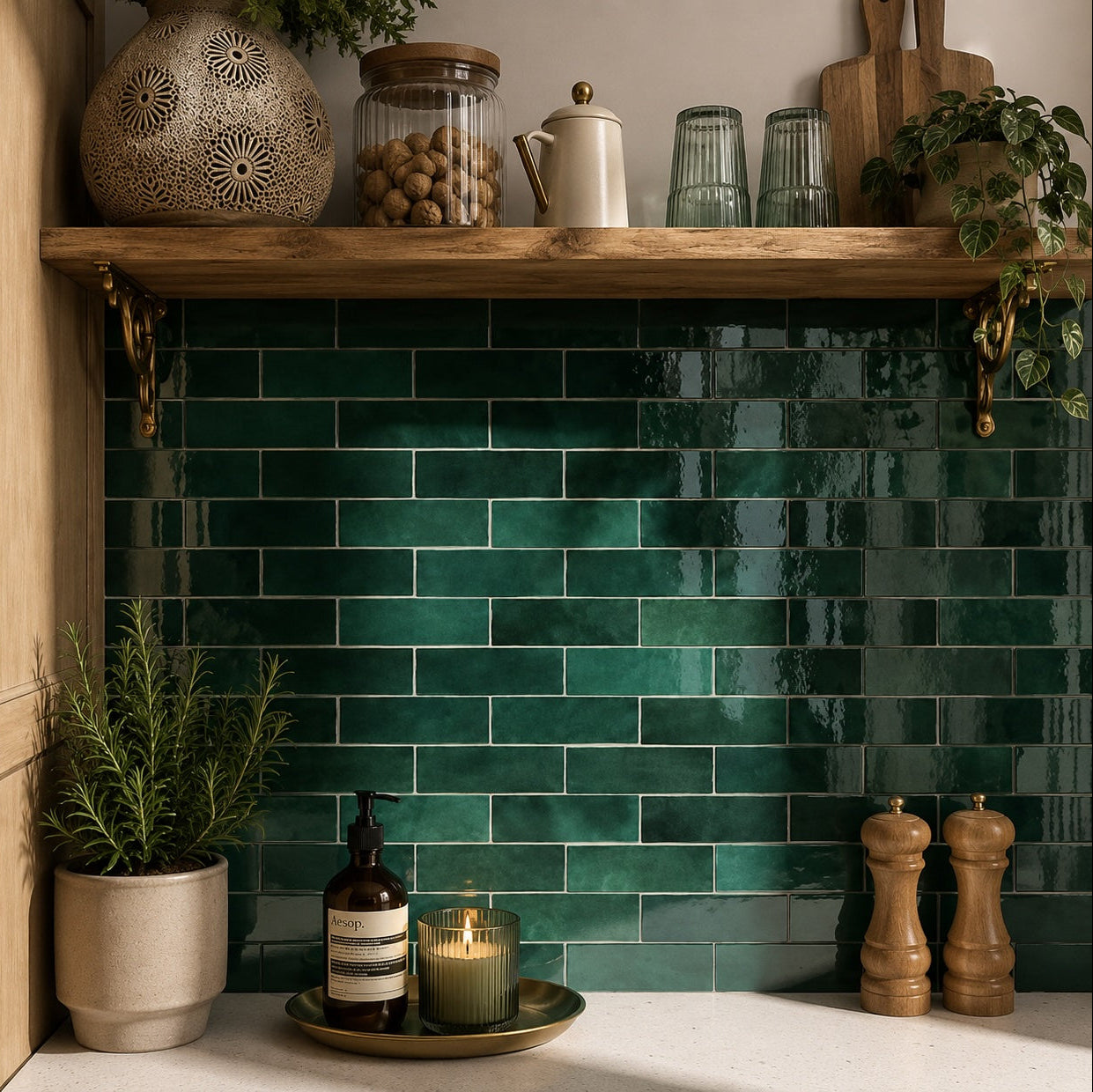
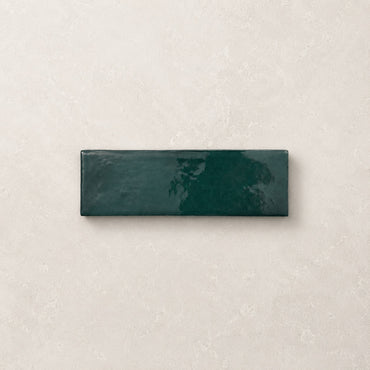
  • Artesano Green Wall Tiles 6.5x20cm

    Inspired by the natural world, Artesano Green feels both restorative and grounding. The rich green tone brings a sense of...

    £46.99
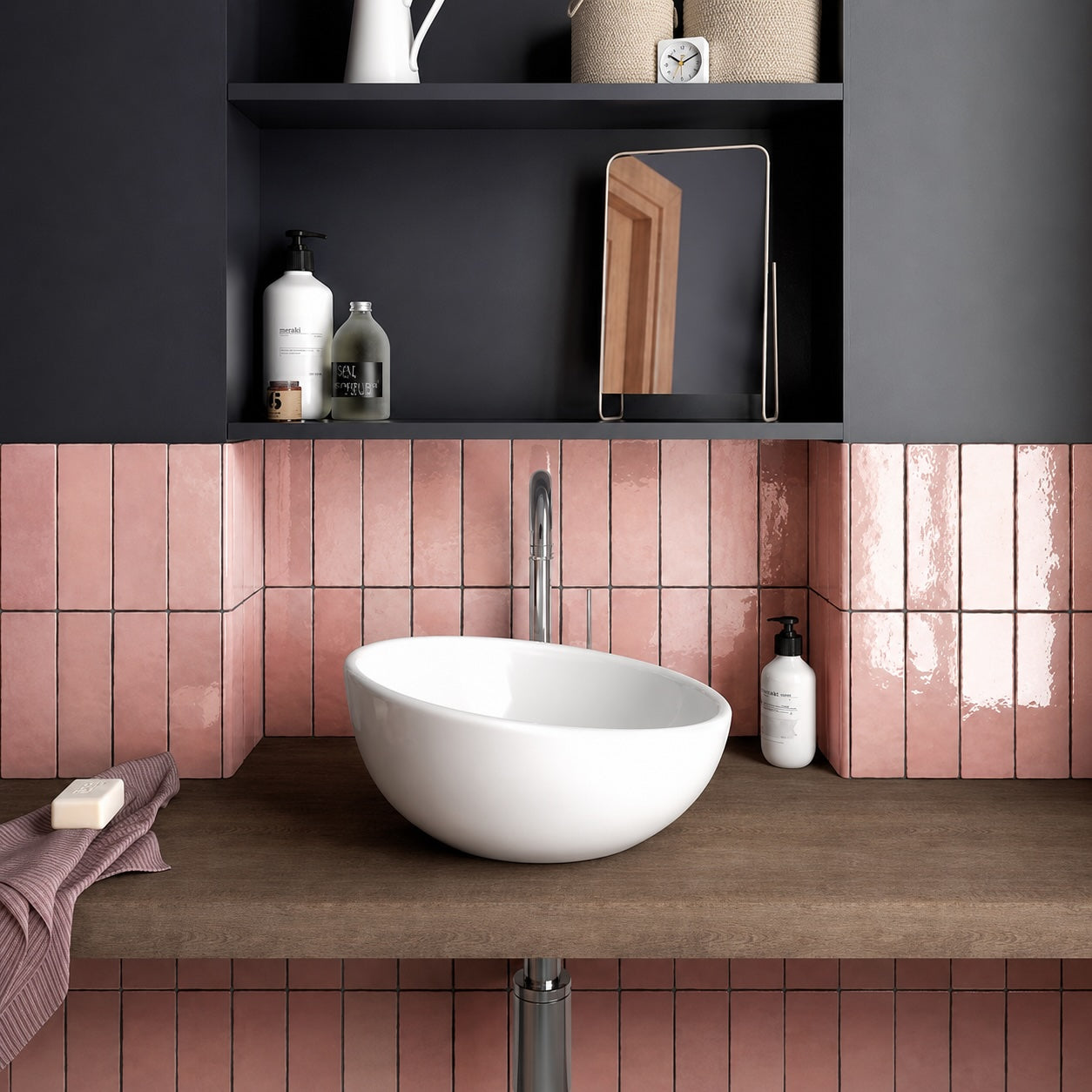
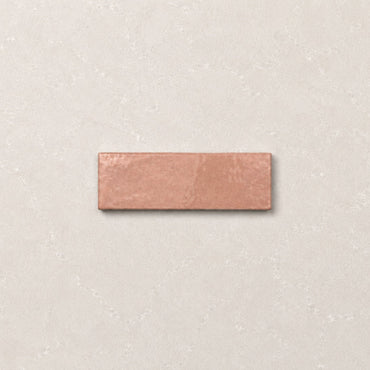
  • Artesano Rose Wall Tiles 6.5x20cm

    Soft, warm and quietly sophisticated, Artesano Rose offers a fresh interpretation of pink for contemporary interiors. Rather than feeling overtly...

    £46.99
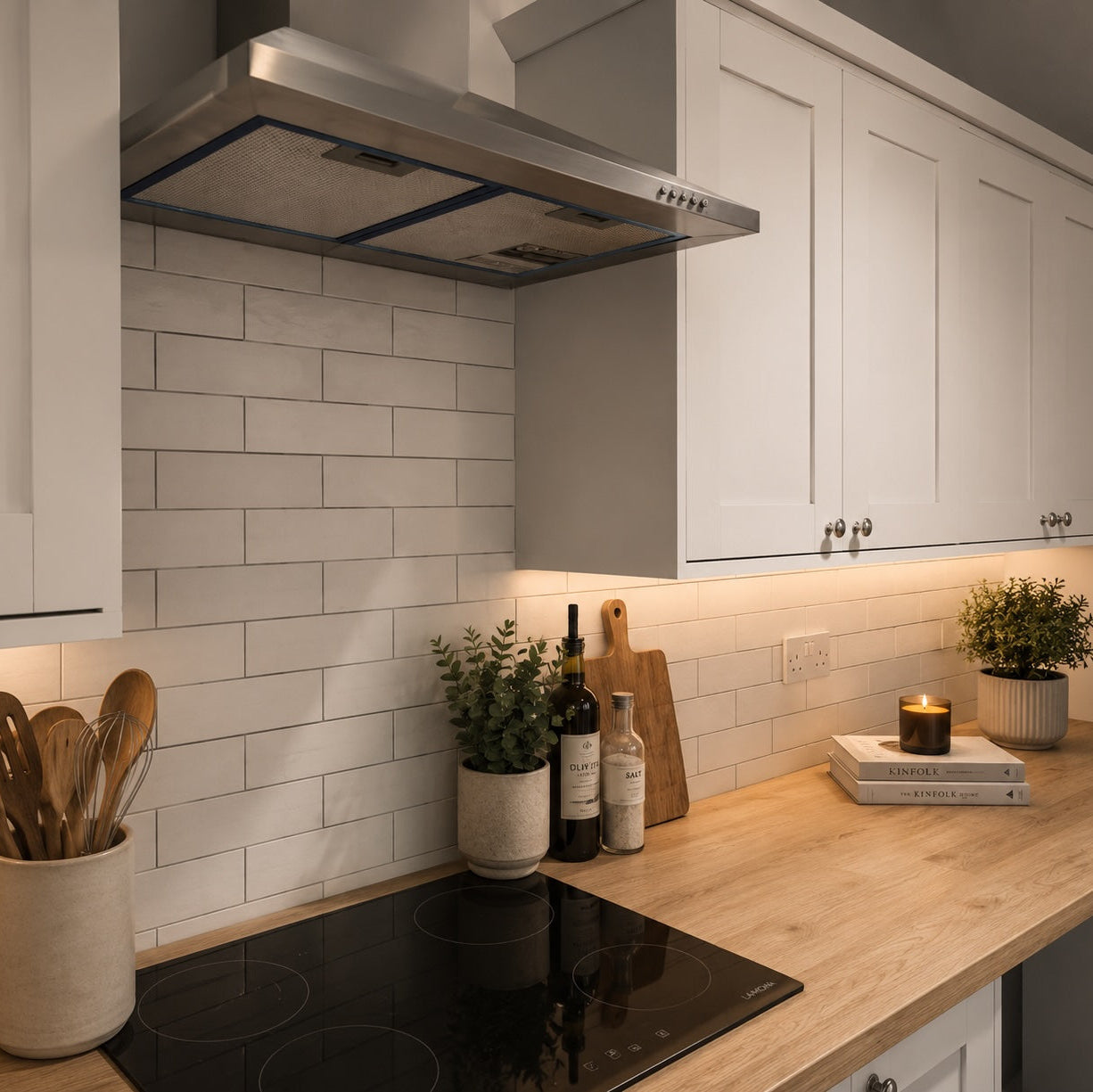
  • Artesano White Wall Tiles 6.5x20cm

    White remains one of the most versatile choices for interior walls, but Artesano White offers something more considered than a...

    £46.99
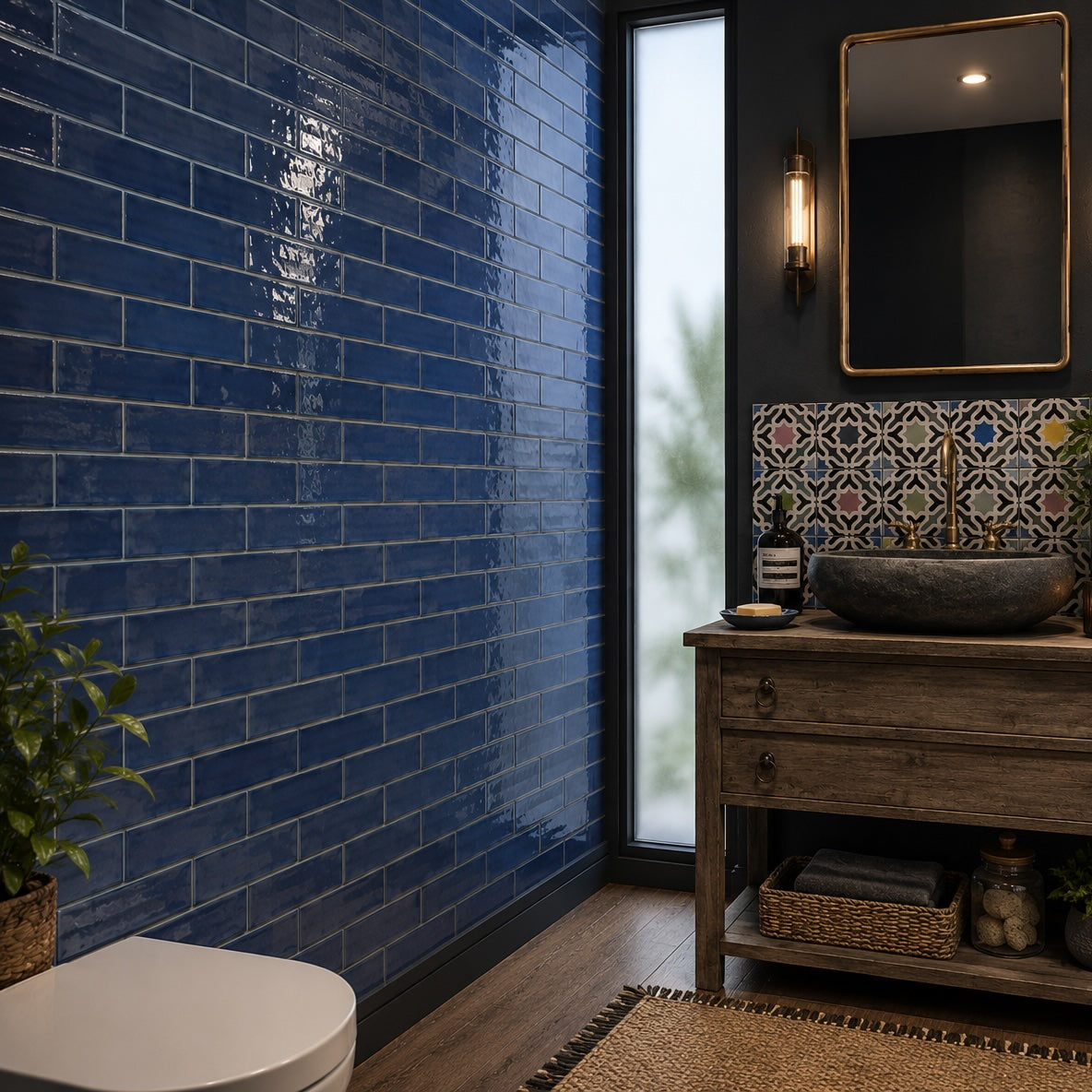
  • Artesano Blue Wall Tiles 6.5x20cm

    Artesano Blue brings a richer, more confident presence to the collection. Deep and expressive without feeling overly formal, it introduces...

    £46.99
  • Artesano Burgundy Wall Tiles 6.5x20cm

    Bold yet unexpectedly warm, Artesano Burgundy brings a sense of richness and individuality to interior spaces. The deep wine-inspired tone...

    £46.99
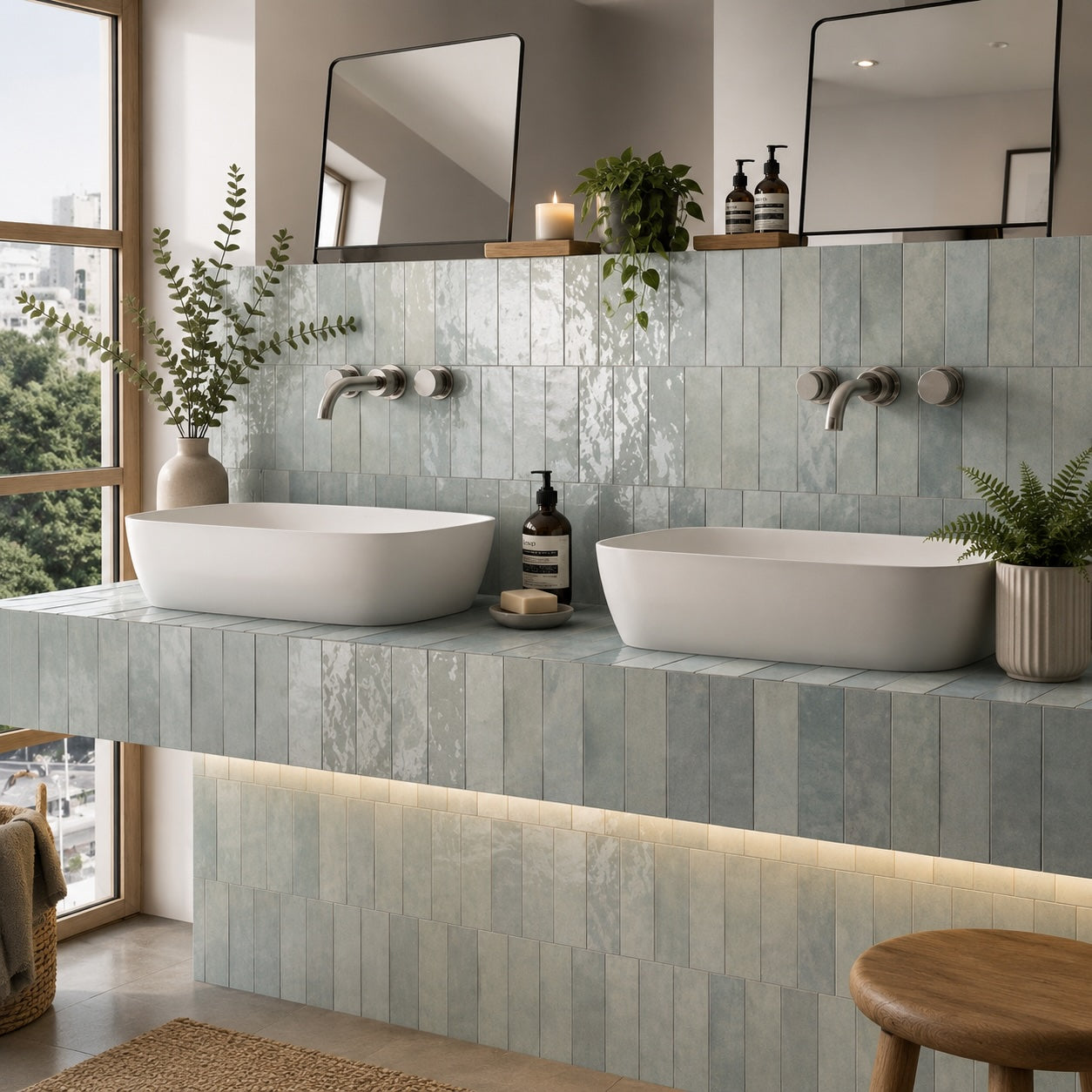
Perfectly straight tiles create very precise lines across a wall. Artesano takes some of that precision away, and that's exactly where its charm comes from.

The edges are only subtly irregular, so you don't get the pronounced undulations associated with some handmade tiles. Instead, the eye notices small changes in the way neighbouring tiles meet. When repeated across a wall, those tiny differences make the installation feel less mechanical.

This can be particularly effective alongside very clean cabinetry or sanitaryware. The contrast between precise, contemporary fixtures and a slightly imperfect tiled surface gives the room more visual depth ; rather than everything being finished to exactly the same degree of precision.

Artesano's colours can take the collection in very different directions. White and Aqua keep things fresh and light, while Green and Blue can introduce a stronger sense of depth. Rose and Burgundy are more expressive, particularly when used across a substantial area.

With the richer colours, it's worth looking at the surrounding finishes before choosing a paint colour or worktop. You don't necessarily want to repeat the dominant tile colour; a quieter tone that picks up an undertone within the glaze can create a more sophisticated relationship.

This is also where natural materials can be useful. Timber, stone and warm neutral finishes provide enough variation of their own to complement Artesano without competing with its irregular edges.

The handmade influence doesn't mean you have to build a country-style interior around Artesano. In fact, placing a subtly irregular tile against contemporary materials can make the difference more noticeable.

Think of a simple run of Artesano alongside flat-fronted cabinetry, a clean stone worktop or modern brassware. The furniture and fittings provide the precision; the tile introduces a softer element.

This is also why the relatively compact 6.5 × 20cm format is useful. It gives you more visible joints and a greater rhythm across the wall than a larger tile would, while the restrained edge variation stops those joints from becoming overly rigid.

With Artesano, grout has a particularly interesting role because the edges themselves aren't perfectly uniform.

A closely related grout colour allows the small changes in each edge to blend together, so the overall wall feels softer and the colour of the tile remains the main feature. A contrasting grout traces those edges much more clearly, making the individual pieces and their slight differences easier to see.

The same principle applies to the laying pattern. A brick bond complements the collection's more traditional influence, whereas stacking the tiles gives the irregular edges a more contemporary setting.

If you're drawn to Artesano because of its handmade appearance, I'd generally avoid making every element around it equally decorative. Letting the tile's small imperfections provide the visual detail can create a much more balanced result.

You might like